Skip to main content Skip to footer site map

Moles

Talpidae

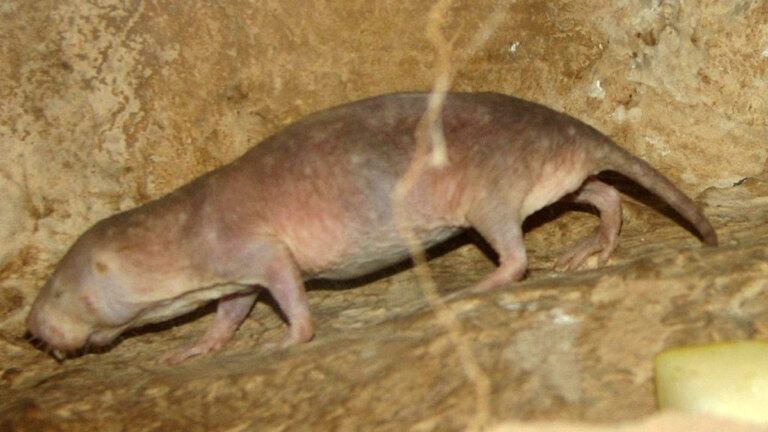
Moles (family Talpidae, order Eulipotyphla) are small mammals adapted for digging and spending much of their lives underground in burrow systems. Typical burrowing moles have a cylindrical body, short limbs, velvety fur, tiny eyes hidden in the fur, and little to no external ears. Their forelimbs are powerfully built and rotated outward with large claws for shoveling soil. They dig networks of tunnels that can also function as prey “traps”. Their diet is dominated by invertebrates, especially earthworms and insects/grubs. Not all talpids live entirely underground some are surface-foraging and some are semi‑aquatic. For example, the star‑nosed mole (Condylura cristata) is famous for its nose “star” (22 fleshy appendages) packed with touch sensors called Eimer’s organs.
Moles (family Talpidae, order Eulipotyphla) are small mammals adapted for digging and spending much of their lives underground in burrow systems. Typical burrowing moles have a cylindrical body, short limbs, velvety fur, tiny eyes hidden in the fur, and little to no external ears. Their forelimbs are powerfully built and rotated outward with large claws for shoveling soil. They dig networks of tunnels that can also function as prey “traps”. Their diet is dominated by invertebrates, especially earthworms and insects/grubs. Not all talpids live entirely underground some are surface-foraging and some are semi‑aquatic. For example, the star‑nosed mole (Condylura cristata) is famous for its nose “star” (22 fleshy appendages) packed with touch sensors called Eimer’s organs.