Skip to main content Skip to footer site map

Giant Panda

Ailuropoda melanoleuca

Giant pandas (Ailuropoda melanoleuca) are bears (family Ursidae) endemic to China and now restricted to fragmented mountain habitats along the eastern edge of the Tibetan Plateau, mainly in Sichuan, Shaanxi, and Gansu. Despite belonging to the carnivore order, giant pandas rely overwhelmingly on bamboo (often cited as ~90–98% of the diet), and their conservation status was downlisted by IUCN from Endangered to Vulnerable in 2016, reflecting gains from habitat protection—though habitat loss and fragmentation remain major threats. The red panda (Ailurus fulgens) is a different animal entirely—once grouped with giant pandas but now usually treated as the sole living member of its own family (Ailuridae)—native to the mountain forests of the Himalayas and adjacent regions of eastern Asia and also strongly associated with bamboo. Red pandas are widely described as Endangered, with wild numbers believed to be under ~10,000, and some sources citing much lower adult-only figures in parts of the range.
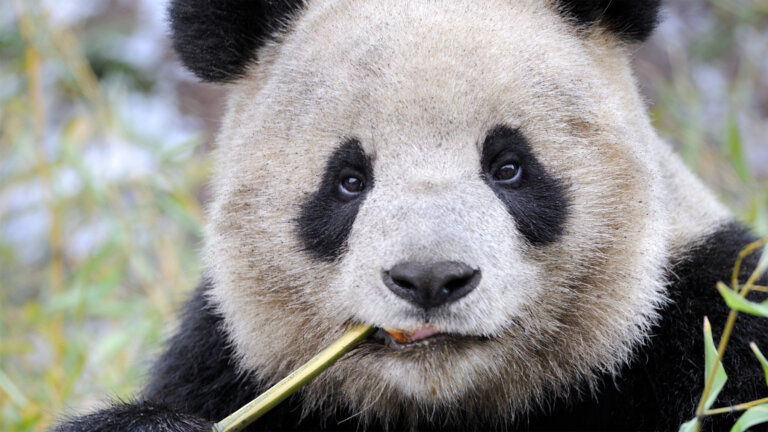
Giant pandas (Ailuropoda melanoleuca) are bears (family Ursidae) endemic to China and now restricted to fragmented mountain habitats along the eastern edge of the Tibetan Plateau, mainly in Sichuan, Shaanxi, and Gansu. Despite belonging to the carnivore order, giant pandas rely overwhelmingly on bamboo (often cited as ~90–98% of the diet), and their conservation status was downlisted by IUCN from Endangered to Vulnerable in 2016, reflecting gains from habitat protection—though habitat loss and fragmentation remain major threats. The red panda (Ailurus fulgens) is a different animal entirely—once grouped with giant pandas but now usually treated as the sole living member of its own family (Ailuridae)—native to the mountain forests of the Himalayas and adjacent regions of eastern Asia and also strongly associated with bamboo. Red pandas are widely described as Endangered, with wild numbers believed to be under ~10,000, and some sources citing much lower adult-only figures in parts of the range.