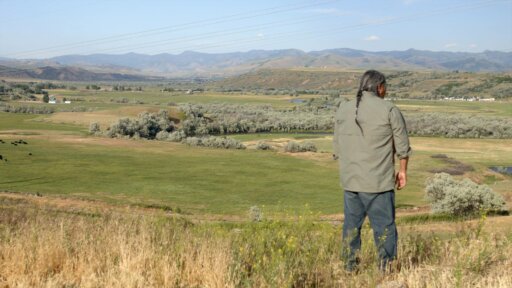
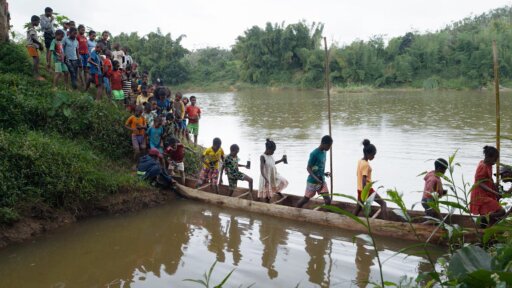
Over 150 years after suffering the worst massacre in U.S. history, the Northwestern Band of the Shoshone Nation has purchased their ancestral homeland — called Wuda Ogwa, or Bear River — with a vision to return it back to nature. The Bear River was once ...
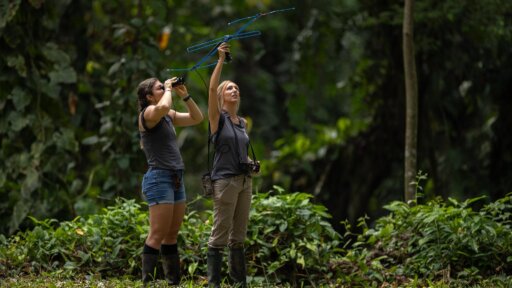
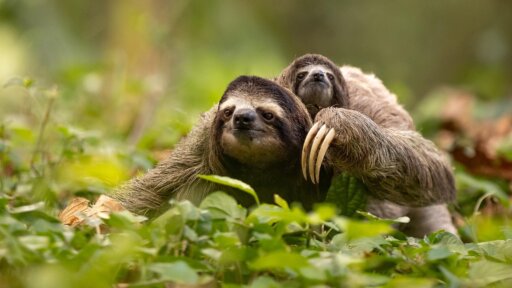
An award-winning zoologist, her spirited right-hand woman, and their sloth-sniffing rescue dog team up in Costa Rica’s lush jungles for the first-ever sloth census. Mixing science, adventure, and plenty of laughs to protect these lovable creatures. The team studies at-risk sloth populations by tracking their ...
This piece comes to us from the Wildlife Conservation Society (WCS). For over 50 years, we have set aside April 22 as a day to celebrate our planet. It’s a time for many to get outside to our beautiful parks and hike our natural places. ...
Saving The Slowest Mammal on Earth | In Her Nature
An award-winning zoologist, her spirited right-hand woman, and their sloth-sniffing rescue dog team up in Costa Rica’s lush jungles for the first-ever sloth census. Mixing science, adventure, and plenty of laughs to protect these lovable creatures. The team studies at-risk sloth populations by tracking their ...
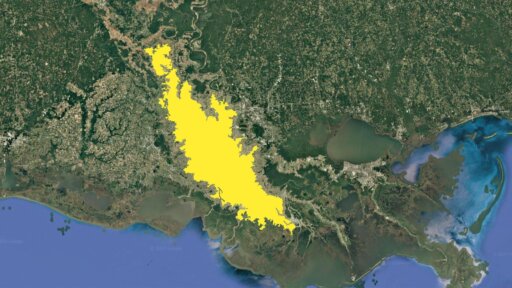
In the Atchafalaya Basin—the largest river swamp in the U.S.—ancient cypress trees act as natural barriers against hurricanes and extreme weather. Spanning a million acres, these nearly indestructible trees have protected Louisiana's coast for thousands of years. How does this million-acre ecosystem protect Louisiana’s communities, ...
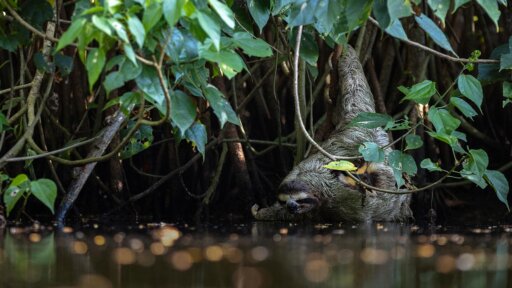
Until recently, it was assumed that sloths didn't need to drink water, and that they got water from the food they ate. Now we know that isn't true, and you can see it for yourself in this extremely rare footage showing how a sloth drinks! ...
This piece comes to us from the Wildlife Conservation Society (WCS). To honor Women's History Month, WCS and Nature are sharing stories of nature and conservation. Veterinary school. That was the direction every teacher, mentor and counselor pointed me toward whenever I stated I wanted ...