In 2009 a team of marine archeologists carrying out a sonar survey of the seabed around the remote Italian island of Ventotene made an astonishing discovery.
The slave ship Meermin set sail from Madagascar for South Africa in 1766, but the ship would never make it to Cape Town, the slaves mutinied and managed to overpower the Dutch crew, ordering the ship be sailed back to Madagascar and freedom.
The royal tomb of Pharaoh Psusennes I is one of the most spectacular of all the ancient Egyptian treasures - even more remarkable than that of Tutankhamun. So why hasn't the world heard about it? What mysteries does it contain? And what does it reveal about ancient Egypt?
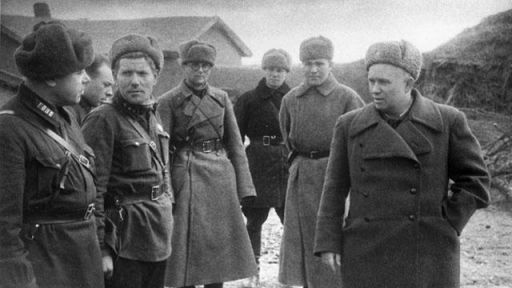
The Battle of Stalingrad is known as one of the most pivotal actions of World War II. For decades after the war, the battle was seen as a victory for Stalin, whose carefully executed withdrawal baited Hitler's army into a battle that slowly decimated the German forces. But now, newly-released archives are revealing a very different picture of the battle that changed the course of history.
In the case of Hawley Crippen, the unusual poison choice, Hyosine, led investigators to question the validity of the remains. What are the more common poisons used in murders?
Timed for broadcast on the first anniversary of the attacks, this episode brings viewers first-hand survivor accounts, closed-circuit footage of the chaos from within the hotels and actual words spoken by both victims and terrorists.
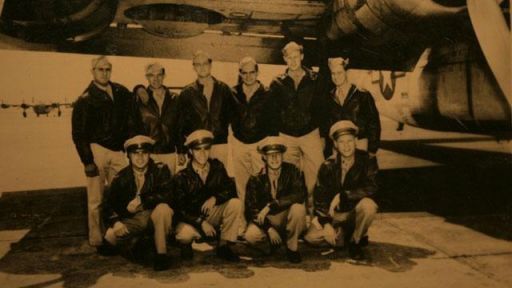
In 1944, a U.S. bomber was hit by Japanese anti-aircraft fire, and the crew ejected and parachuted into the wilderness. They were taken in and protected by members of the Dayak tribe - the "wild men of Borneo," who were infamous for their custom of hunting and smoking enemy heads. Months later, the airmen were found by an eccentric British Major who devised an ingenious plan to rescue the men.
More than 500 ago, Michelangelo Buonarroti was the darling of the Catholic Church, commissioned to create many of its most important pieces. Historians have long wondered about the mysterious circumstances of his death — and now, art historian Antonio Forcellino believes he has pieced together evidence of a deep rift between the Church and the esteemed artist.
Edward Teach, alias Blackbeard, was the most notorious pirate of his day. Now, 300 years later, a marine archaeology team believe they have found his sunken flagship, Queen Anne's Revenge, off the North Carolina coast. Did Blackbeard accidentally run his ship aground, or was it a deliberate plot to betray his crew and cheat them out of their share of the plunder?
Drawing from the archaeological records, new revelations about Minoan language and religion and shocking new geological discoveries, archeologists connects fact with fiction and reveal the truth behind the reign and fall of the great Minoan civilization.
In Cold War-era East Germany, young female athletes were injected with male hormones and anabolic steroids — all in the name of “international prestige through success in sports.” Twenty years later, many still suffer from the aftereffects: severe physical illness and disabilities. Discover the price these women paid to bring Olympic pride to their country.
Nazi records show that tens of thousands of Jews from German-occupied territories were sent to Auschwitz to be executed each month. But two Auschwitz prisoners, Rudolph Vrba and Alfred Wetzler, were determined to expose the horrors of the Nazi genocide and stop the killing factories forever. To do that, they had to become the first to escape from the heavily-guarded camp.
Archaeologists make a grisly find: 400 skeletons buried in a mass grave, undisturbed for 500 years, since the time of the Spanish conquest. But this is no ordinary gravesite. The remains suggest these people met a gruesome end at the hands of the Aztecs, who ruled Mesoamerica in the 14th through 16th centuries. But who were the victims and why were they killed?