Convict Leasing
After the Civil War, the South’s economy, society, and government were in shambles. Southern state governments struggled to raise money to repair damaged infrastructure and to support new expenses such as universal public education. The prison problem was especially challenging, as most prisons had been destroyed during the war. Previously, African-American slaves had been subjected to the punishments at the hands of their owners. With government ineffectiveness and an increase in both white and black lawlessness, the problem of where and how to house convicts was significant.
Initially, some states paid private contractors to house and feed the prisoners. Within a few years states realized they could lease out their convicts to local planters or industrialists who would pay minimal rates for the workers and be responsible for their housing and feeding -- thereby eliminating costs and increasing revenue. Soon, markets for convict laborers developed, with entrepreneurs buying and selling convict labor leases. Unlike slavery, employers had only a small capitol investment in convict laborers, and little incentive to treat them well. Convict laborers were often dismally treated, but the convict lease system was highly profitable for the states and the employers.
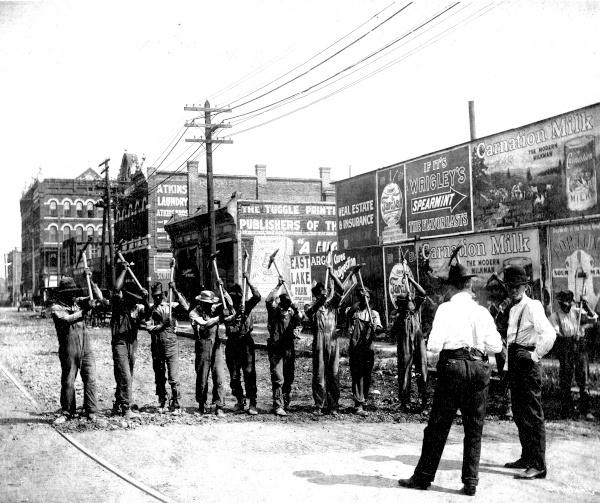
As public sympathy grew towards the plight of convict laborers, Southern states struggled over what to do. The loss of revenue was significant, and the cost of housing convicts high. Eventually, many southern states stopped leasing out their convict laborers, instead keeping them to work on public projects in chain gangs.
Watch Related Video
Historian Khalil Muhammad explains the convict leasing period.
Descendant Dr. Robert Corley talks about the hidden history of forced labor.
Author Douglas A. Blackmon talks about researching his book “Slavery by Another Name”.
Descendant Rod Frazer talks about how his ancestor W.D. McCurdy.
Descendant Bernard Kinsey reacts to convict labor.
Martha Bouyer talks about the history of Birmingham during a StoryCorps interview.