Voices of Protest
Though Southern blacks were politically disenfranchised, segregated, violently intimidated, and economically disadvantaged, protests against debt servitude and other inequalities were continuous
Locally, though individual blacks faced serious retribution for challenging peonage or Jim Crow, people protested in all the ways they could. As during slavery, songs were an effective way to transmit information about oppression and offer encouragement. In chain gangs and prison yards, workers sang folk songs that described and protested working conditions. Spirituals and the Blues captured the frustrations of living under Jim Crow and were meant to comfort and inspire.
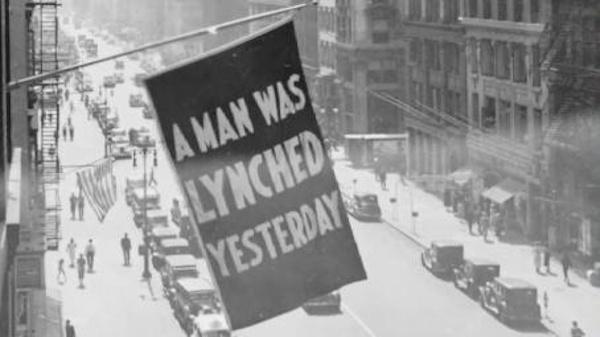
Nationally, African American newspapers like the Chicago Defender publicized the injustices and advocated for change. Black leaders such as W.E.B. Du Bois researched reports and developed articles that highlighted inequalities. The NAACP and similar groups worked to raise awareness of injustices and advocate for new laws and federal enforcement of existing ones. Poetry, art, and literature were used to describe inequalities and move the public to action.
Watch Related Video
Historian Risa Goluboff explains the creation of the NAACP.
Historian Pete Daniel tells about the influential voices against peonage.