Rothko: Pictures Must Be Miraculous tells the story of the art world giant whose signature color fields defined the Abstract Expressionist movement and revolutionized the art world. Before you watch this film by Eric Slade, check out Mark Rothko’s fascinating connections to other icons profiled ...
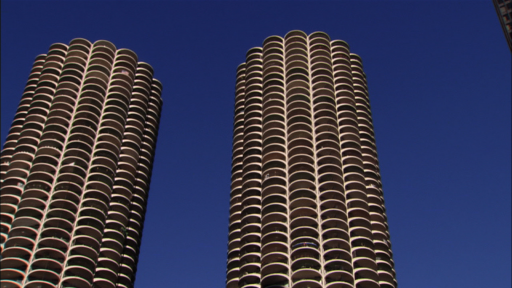
From Carl Sandburg's Rootabaga Stories: The story of two skyscrapers, a tin brass goose and a tin brass goat, a long distance train, and the Northwest Wind.
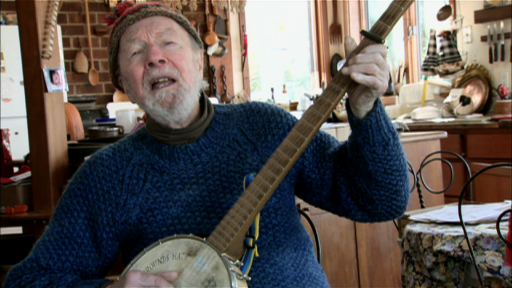
Pete Seeger brought the song "We Shall Overcome" to the forefront of causes for American workers in the 1940s and later to the Civil Rights Movement in the 50s and 60s. As a singer and songwriter, his songs have always been about we, the people. ...
Carl Sandburg was a tall tale. Yes, he was only a man. But, his words were Paul Bunyan; his words were John Henry: impossibly real. The way Sandburg wrote, he gave life to anything and everything around him: from mountains to oceans, from prairies to ...
See and hear Carl Sandburg's Chicago in a scene from The Day Carl Sandburg Died. It's a city that's the archetype of America: where we all come from. And, that's what came through in Sandburg's work from when he first wrote "Chicago" and published it ...
See and hear Paul Bonesteel, writer, director and editor of 'The Day Carl Sandburg Died,' talk about how the film was made: the process, the characters, the interviews, and the history.
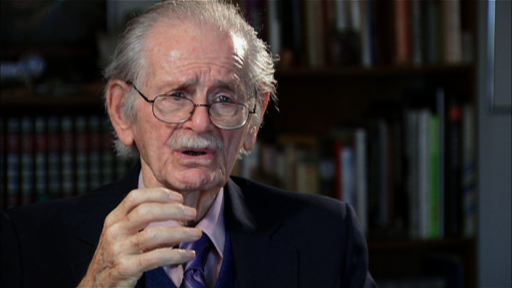
The late and great Norman Corwin was from the generation after Carl Sandburg's. Writing for radio in the 1930s and 40s, Corwin's broadcast titles included, "The Plot to Overthrow Christmas," a drama entirely in rhyming verse in which demons and historical figures from Hell tried ...