Animals Behaving Worse
Introduction

NATURE’s Animals Behaving Worse explores the wickedly ingenious ways our wild neighbors are staking their claim for territory in an increasingly human-controlled world.

Charges of theft, property destruction, disturbing the peace, and even assault are on the rise — against animals. It’s become an all-out turf war, but just who is invading whose territory?

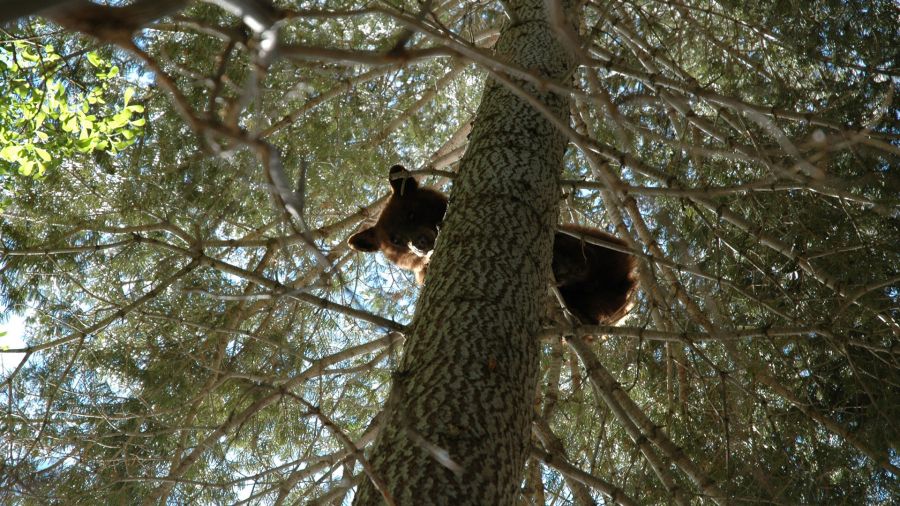
As cities sprawl into wilderness areas, animals are responding by exploiting human environments to their advantage — and doing so in devious ways. Foxes and squirrels have resorted to thievery in midwestern towns, stealing property from yards, while bears in California and gangs of baboons in South Africa burglarize homes for meals.

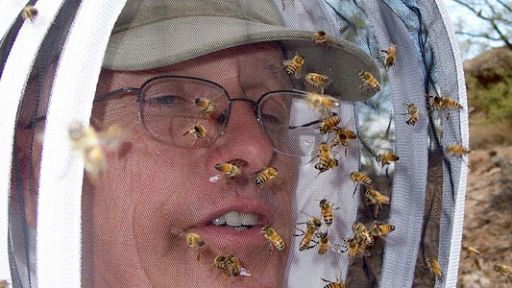
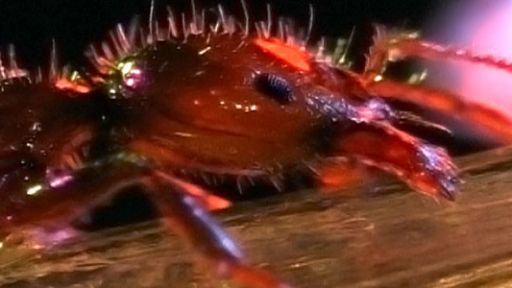
Though some animal intrusions may pose a mere nuisance, others are causing catastrophic damage. International travel and commerce have enabled wild invaders to easily cross borders and stake out new territories. Asian carp are poised to wipe out the Great Lakes’ native fish species, legions of red imported fire ants are wreaking havoc in the southern United States, and aggressive swarms of Africanized “killer” bees are terrorizing Arizonans.

This compelling sequel to NATURE’s Animals Behaving Badly is an amusing, yet cautionary tale that investigates the motives behind the mischief. What may appear as bad behavior is simply an animal’s natural response to our increased impact on the planet. As the boundaries between human and animal habitats blur, our actions may in fact be aiding and abetting these Animals Behaving Worse.
To order a copy of Animals Behaving Worse, visit the NATURE Shop.

Online content for Animals Behaving Worse was originally posted February 2006.

9 Responses to “Introduction”
  1. Rasika says:

    Love it! Is it an episode movie?
    I wuld like to know. I have Antarctica, The Dolfhin Defender, Wadlers and Padlers and 2 more.

  2. raizza says:

    so awesome

  3. Fred Flintstone says:

    Yabba dabba do!

  4. Mattie Sue Athan says:

    Don’t forget that the European honey bee was once an invasive species that contributed to the extinction of the only parrot native exclusively to the US, the Carolina conure. Native Americans called European honey bees the “white man’s flies” as their presence signaled the expansive invasion of European humans*. Will we deny other species the ability to survive as global warming forces them to relocate to suitable habitat or will humans make it impossible for other species to coinhabit areas where we live?

    *See the books PARROTS IN THE CITY by Davie, Davie, and Athan and HOPE IS A THING WITH FEATHERS (I don’t remember the author)

  5. Brock lee says:

    Woo hoo!

  6. Mike says:

    Awesome!

  7. Mike Hunt says:

    This was an awesome show!

  8. Punatik says:

    I live on the east side of the Big Island of Hawaii and I couldn’t hear the coqui on the show because of the ones in my yard. lol IMO, they’re horrible pests. Before they arrived I used to hear the owls, toads and the bats as they flew at night and now nothing but coqui. :-(

  9. Arthur says:

    We need to leave some room for other animals on this planet.

Leave a Reply

Please note that the THIRTEEN editorial staff reserves the right to not post comments it deems to be inappropriate and/or malicious in nature, as well as edit comments for length, clarity and fairness. No solicitations or advertisements will be allowed. Users may link to other Web sites relevant to discussion, but most often links to commercial Web sites will not be permitted.

Produced by THIRTEEN    ©2013 Educational Broadcasting Corporation. All rights reserved.