TRANSCRIPT
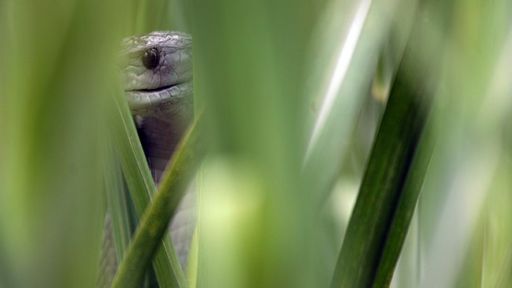
AFRICA'S DEADLIEST SNAKE, THE BLACK MAMBA.
DURING THE LONG, HOT AFRICAN SUMMER IN SWAZILAND, IT TURNS UP IN THE MOST UNLIKELY AND UNWANTED PLACES.
[ SCREAMING ] PEOPLE KILL MAMBAS HERE.
BUT IF YOU ARE CLOSE ENOUGH TO KILL A MAMBA, IT'S CLOSE ENOUGH TO KILL YOU.
SNAKE BITES IN AFRICA ARE REACHING EPIDEMIC PROPORTIONS, AND THEA AND HER HUSBAND CLIFTON ARE TRYING TO RELIEVE THIS CRISIS IN SWAZILAND -- TO SAVE BOTH SNAKE... AND HUMAN LIVES.
OUT OF CONTROL!
EEK!
WHOA!JESUS!
Narrator: THEA IS AFFECTIONATELY KNOWN BY THE LOCALS AS 'THE WHITE WITCH.'
SHE IS DETERMINED TO CHANGE ATTITUDES BASED ON CENTURIES OF FEAR AND SUPERSTITION TOWARDS THE MOST INFAMOUS AND LETHAL SNAKE IN AFRICA.
WELL DONE.
WE SHOULD ACTUALLY HAVE THAT KISS BEFORE WE GO, BECAUSE IT COULD BE THE LAST ONE.
Narrator: THE BLACK MAMBA IS A SNAKE WITH A NOTORIOUS REPUTATION FOR BEING FAST, FURIOUS... AND DEADLY.
LONG AND SLENDER, IT CAN GROW TO 13 FEET, AND IS STRONG ENOUGH TO RAISE A THIRD OF ITS BODY ABOVE THE GROUND AND LOOK YOU IN THE EYE.
AN ICONIC PREDATOR, IT IS TERRIFYING -- AND YET, FASCINATING.
Thea: MAMBAS, THEY ARE ELEGANT.
THE WAY THEY MOVE, THE WAY THEY HUNT, THE WAY THEY BEHAVE.
THERE'S NO OTHER SNAKE THAT CAN TOUCH A MAMBA.
JUST THE WAY IT LOOKS AT YOU, YOU CAN ALMOST SEE THE INTELLIGENCE IN THEIR EYES.
AND THEY ARE INQUISITIVE, BELIEVE IT OR NOT.
Abraham: THIS IS A SNAKE WITH ATTITUDE.
IF CORNERED, IT WILL READILY STRIKE -- AND STRIKE AGAIN.
ITS BITE IS KNOWN AS THE 'KISS OF DEATH.'
SWAZILAND IS ONE OF THE SMALLEST COUNTRIES IN AFRICA.
LESS THAN HALF THE SIZE OF SWITZERLAND, IT IS A LAND-LOCKED KINGDOM BETWEEN MOZAMBIQUE AND SOUTH AFRICA.
BLACK MAMBAS ARE LIVING IN THE VAST PLANTATIONS OF SUGAR CANE THAT HAVE REPLACED THEIR WILD HABITAT.
THEY COME TO PREY ON SMALL MAMMALS AND REPTILES, BUT THEY LIKE TO TAKE REFUGE IN DARK, QUIET CORNERS.
OCTOBER IS THE END OF SPRING IN AFRICA, AND AS THE HEAT BUILDS BEFORE THE RAINS, SNAKES ARE ON THE MOVE.
AFTER A WINTER OF INACTIVITY, THEY ARE HUNGRY.
AND THIS IS WHERE MANY OF THEM COME TO FIND THEIR PREY, IN MILE UPON MILE OF SUGAR CANE.
THESE ARE SOME OF THE LARGEST CANE ESTATES IN THE SOUTHERN HEMISPHERE.
THE HOT, HUMID CLIMATE HERE MAKES IT PERFECT FOR THE SUGAR -- AND PERFECT FOR SNAKES.
THE BIG AFRICAN SAVANNAHS AND LARGER WILDLIFE MAY HAVE DIMINISHED, BUT THE RODENTS, REPTILES, AND AMPHIBIANS THRIVE IN THE CANE.
CLIMBING UP THE CANE STALKS TO WAIST HEIGHT, A MAMBA WILL SPEND HOURS BASKING HERE.
ITS COLOR IS NOT BLACK, BUT OLIVE GRAY.
THE 'BLACK MAMBA' IS NAMED AFTER THE BLACK INSIDE ITS MOUTH.
ITS LIGHT UNDERBELLY HELPS IT DISAPPEAR AGAINST THE BRIGHT SKY.
WITH LARGE EYES, IT HAS BETTER SIGHT THAN MOST SNAKES.
SUDDEN MOVEMENTS WILL CAUSE IT TO STRIKE WITH DEADLY ACCURACY.
AND WITHOUT THE PROPER ANTIVENIN, A BLACK MAMBA'S KILL RATE IS 100%. IT SMELLS AN INTRUDER APPROACHING BY USING ITS LONG, FORKED TONGUE.
THOUSANDS OF WORKERS HAVE TO ENTER THE CANE TO WEED IN THE CHANNELS.
IN A DENSE HABITAT LIKE THIS, A MAMBA MAY NOT SENSE INTRUDERS UNTIL THEY'RE ALMOST UPON IT.
TWO SNAKES HAVE BEEN SPOTTED BY WORKERS CULTIVATING THE CANE.
UNTIL THEY ARE FOUND, WORK WILL STOP.
Clifton: ARE YOU POSITIVE THAT IT'S A BLACK MAMBA?
Thea: GO IN.
Abraham: THEA MAY LOVE SNAKES, BUT HER HUSBAND CLIFTON IS SCARED OF THEM.
YET HE STILL GOES ALONG TO HELP.
Thea: HOW BIG WAS THE SNAKE?
IT WAS A HUGE ONE.
Thea: HUGE, AND THE COLOR? EXPLAIN THE COLOR FOR ME?
WELL, IT WAS LIGHT GRAYISH ON THE UNDER PART, AND THEN A BIT DARKER ON TOP.
Thea: ALL RIGHT, WE'RE GOING TO HAVE A QUICK LOOK, JUST TO SEE IF WE CAN STILL FIND IT.
Clifton: JUST BE CAREFUL -- THIS UNDERGROWTH IS VERY THICK.
Thea: YEAH, IT'S VERY DANGEROUS, EH, THIS IS SUICIDAL.
CLIFTON, I THINK THIS IS TOO UNSAFE.
IF THEY'VE SEEN THREE IN HERE... Clifton: NO, IT'S NOT SAFE ENOUGH TO WALK INTO.
Thea: YOU MIGHT SEE IT AGAIN.
PLEASE CALL US IMMEDIATELY AND KEEP AN EYE ON IT, BUT DON'T LET ALL THE GIRLS COME AND HAVE A LOOK.
THEY MUST BE VERY, VERY QUIET -- THEN WE'VE GOT A GOOD CHANCE OF TAKING IT OUT.
RIGHT, I DON'T THINK WE'RE GOING TO FIND IT HERE, EH?
Abraham: THE WEEDERS WILL NOW LEAVE THIS FIELD UNTIL IT'S CUT.
Clifton: YOU LOOK EXCEPTIONALLY ATTRACTIVE IN THOSE BOOTS.
I'VE BEEN TRYING TO GET YOU IN KNEE-HIGHS FOR YEARS.
Thea: BUT I'M SURE YOU DIDN'T WANT SIZE 10.
Abraham: THEA AND CLIFTON LITSCHKA-KOEN LOOK AFTER A HOTEL, A FAMILY, AND AN ORPHANED WARTHOG.
THEY WERE BOTH BORN IN AFRICA, AND THEA'S FAMILY HAS LIVED HERE IN SWAZILAND FOR THREE GENERATIONS.
[ TELEPHONE RINGING ] GOOD DAY?
HI, BABE.
HI.
I THOUGHT WE HAD THE MOBILE NUMBER?
Clifton: IT'S NOT IMPORTANT RIGHT NOW.
THERE'S A LOT OF PIG HAPPENING THERE.
I JUST HEAR -- [ IMITATING WARTHOG ] Abraham: THEA HAS ALWAYS LOVED ANIMALS, BUT SHE COULDN'T HAVE FORESEEN THE PATH HER LIFE WOULD TAKE.
IT ALL STARTED WITH ONE OF HER SONS.
HOLD IT DON'T LET IT MOVE.
Thea: OLIVER, MY SON, HAD A SCHOOL PROJECT.
THEY WERE ALLOWED TO CHOOSE A SUBJECT, AND HE CHOSE SNAKES AS HIS PROJECT.
Clifton: THEA WENT OFF TO TOWN, SHE BOUGHT HIM A LITTLE CORN SNAKE.
A WEEK LATER SHE FELT THAT THIS CORN SNAKE WAS LONELY.
SO SHE BOUGHT ANOTHER ONE.
Thea: WE WENT ONTO THE INTERNET AND DID A LOT OF RESEARCH, AND I BECAME MORE AND MORE INTERESTED IN WHAT I WAS READING -- I WAS FASCINATED.
IT WAS A FEW WEEKS AFTER THAT, I THINK, IF I'M NOT MISTAKEN, WE ENDED UP IN JO'BURG WHERE THEA WAS DOING A HANDLING AND I.D. COURSE.
SO I THOUGHT, YOU KNOW, IN FOR A PENNY, IN FOR A POUND, SO I DID THIS MAMBA HANDLING COURSE.
AND THAT'S REALLY HOW THE SNAKE PARK STARTED.
I CAN ONLY THANK GOODNESS THAT OLIVER DIDN'T COME HOME WITH A PROJECT ON GORILLAS!
Abraham: AS THEA'S PASSION FOR SNAKES GREW, SHE QUICKLY REALIZED JUST HOW MANY PEOPLE WERE BEING KILLED OR MAIMED.
SHE FELT COMPELLED TO DO SOMETHING ABOUT IT, BOTH TO HELP THE SNAKES AND THE PEOPLE THEY THREATEN.
THEA FOUNDED THE REPTILE PARK -- THE ONLY ONE IN SWAZILAND.
IT'S SITUATED IN NISELA NATURE RESERVE.
HERE PEOPLE CAN LEARN SNAKE IDENTIFICATION, AND EVEN HOW TO HANDLE SOME OF THE RESIDENTS.
THE PARK IS PROVIDING A HOME FOR SOME OF THE RESCUED SNAKES, AND EQUALLY IMPORTANTLY, IT'S BECOME A CENTER FOR EDUCATION.
MANY OF THE MAMBAS AND OTHER SNAKES THEY RESCUE ARE RELEASED DIRECTLY INTO THE RESERVE.
IT SEEMS LIKE A GOOD IDEA, BUT DO THEY SIMPLY RETURN TO THE AREAS WHERE THEY USED TO LIVE?
DO THEY EVEN SURVIVE THE TRANSLOCATION?
THEA WOULD LIKE TO FIND OUT.
SHE WANTS TO INITIATE THE FIRST-EVER STUDY TO RADIO-TRACK BLACK MAMBAS IN THE WILD.
IT'S SEPTEMBER -- SPRING IN SWAZILAND.
AND FOR BLACK MAMBAS, IT'S THE MATING SEASON.
WHEN THE MALES MEET, THEY FIGHT.
THE WINNER WILL PIN THE LOSER'S HEAD TO THE GROUND.
AND THEN CLAIM HIS REWARD.
THE MALE INSPECTS THE FEMALE'S BODY WITH HIS TONGUE.
IF MATING IS SUCCESSFUL, THE FEMALE WILL LAY UP TO 17 EGGS, USUALLY IN A NEST UNDERGROUND OR IN A HOLLOW TREE.
THEY WON'T HATCH UNTIL LATER ON IN THE SUMMER, IN ABOUT THREE MONTHS' TIME.
MAMBAS ARE HAVING A TOUGH TIME HERE.
SO MUCH OF THEIR WILD HABITAT HAS BEEN TRANSFORMED, FORCING THEM TO LIVE ALONGSIDE PEOPLE -- WHICH CAN ONLY MEAN ONE THING... [ MOBILE RINGING ] HELLO? YES?
Thea: NOVEMBER TO FEBRUARY IS INCREDIBLY BUSY, WITH FEBRUARY BEING THE MOST ACTIVE.
IT'S THE WARMEST MONTH IN SWAZILAND, AND THAT'S WHEN IT REALLY GETS CRAZY.
IS THE SNAKE STILL THERE?
IN THE BEDROOM -- ALL RIGHT, WE'RE COMING NOW. WE'RE VERY CLOSE NOW.
WE'RE JUST LOOKING FOR YOUR HOUSE, EH?
Abraham: THEY HAVE ALREADY RESCUED ONE MAMBA TODAY AND ARE ON THEIR WAY TO THEIR SECOND CALL-OUT.
ROOM SIX? OKAY.
JAMES, WHAT IS IT?
JUST KEEP IT THERE. JUST CLOSE THE DOOR.
WE'RE ON OUR WAY. OKAY.
THERE'S ANOTHER CALL-OUT AT THE CLUB IN ONE OF THE ROOMS.
THEY THINK IT'S A BLACK MAMBA, AS WELL -- THEY SAY IT'S QUITE A BIG ONE.
WATCH YOURSELF BY THE DOOR.
[ DOOR CREAKING ] Thea: CAN YOU SEE ANYTHING?
Clifton: I CAN SEE ABSOLUTELY SQUAT.
TORCH -- THAT WOULD BE A GOOD IDEA.
WAIT FOR ME -- DON'T DO ANYTHING.
OKAY.
[ MOBILE RINGING ] OH, JESUS, THERE'S ANOTHER ONE.
OKAY -- HELLO?
YEAH, I CAN'T TALK NOW, PLEASE PHONE ME BACK.
PLEASE PHONE ME BACK IN TEN MINUTES, THANKS.
Thea: HERE WE GO, HERE WE GO. Clifton: WHAT IS IT?
Thea: IT'S A MAMBA.
SEEMS LIKE QUITE A NICE ONE.
Clifton: NO, NO, DON'T, DON'T, DON'T, DON'T.
LET'S JUST LOOK.
CAN YOU GET THAT OUT? I NEED TO LIFT IT.
OOH, STRUCK AT ME, EH?
THAT'S NOT VERY CLEVER. GO, GO, GO, TAKE HIM, TAKE HIM!
NO, NO!
HOLD HIM!
JUST AS HE WANTS TO BITE -- OKAY, LET ME TAKE HIM HERE, IT'S TOO DANGEROUS.
WE CAN'T PUT HIM ON THE CARPET?
NO, TAKE HIM OUT, IT'S TOO CROWDED IN HERE.
IT'S PISSED OFF.
LIFTING HIM, LIFTING HIM, YOU GOT HIM?
YEAH, GO.
HE'S GOING TO ROLL. HE'S TWISTING.
COME ON, BOY, WE'RE GOING TO HURT YOU.
I'M LETTING HIM ROLL.
Abraham: IT'S TOO DANGEROUS TO TOUCH THE MAMBA UNTIL IT STOPS TWISTING.
HE'S CROSS.
I'VE GOT HIM, I'VE GOT HIM.
YOU'VE GOT HIM?
CROSS BOY.
I'M SORRY.
I'M SHAKING -- JUST A SECOND.
Thea: I DON'T THINK THAT I DO IT FOR THE ADRENALINE KICK.
NOT THAT I DON'T FEEL THE ADRENALINE RUSH AFTER I HAVE CAUGHT A BLACK MAMBA, OR ANY OTHER VENOMOUS SNAKE.
MY HEART'S GOING -- [ IMITATES RAPID BEATING ] OKAY... SWEET!SWEET!
Thea: BUT I DON'T DO IT FOR THAT REASON, I DO IT BECAUSE PEOPLE NEED YOU, YOU KNOW?
AND IT'S VERY DIFFICULT TO SAY NO.
OKAY, ONE, TWO, THREE.
ONE, TWO, THREE, GO.
OKAY, LET'S RUN, THERE'S ANOTHER.
Thea: THERE IS NO OPTION HERE, WE HAVE TO DO IT.
THERE'S NOBODY ELSE TO DO IT.
THEY USED TO RELY A LOT ON THE ROYAL SWAZILAND POLICE, BUT THEY WERE TERRIFIED THEMSELVES, AND THEY WOULD JUST GO AND ACTUALLY DESTROY THE SNAKE.
THEY'D SHOOT IT.
[ MOBILE RINGING ] Thea: HELLO?
OH, OKAY.
SORRY, I JUST NEED A COUPLE OF MINUTES.
I'LL PHONE YOU BACK AS SOON AS I CAN.
WE'RE A BIT BUSY AT THE MOMENT.
SORRY, JUST A FEW MINUTES, EH?
SORRY -- THANKS, EH, BYE.
DON'T PANIC.
RULE NUMBER TWO?
DON'T PANIC.
WE ARE AT ONE OF THE ROOMS AT THE CLUB, WHICH WE MANAGE, AND THEY'VE SEEN A SNAKE INSIDE THE ROOM ITSELF.
Abraham: THE MAID SPOTTED THE MAMBA AS SHE WAS CLEANING ONE OF THE GUEST ROOMS.
I THINK IT'S IN THE -- IN THE BEDROOM NOW.
DID YOU SEE IT WHEN YOU WENT IN THERE? YES.
OKAY, ALL RIGHT. CHECK THE PANTRY.
Clifton: JUST GOING TO TAKE A PEEK AGAIN, HUH?
Thea: WHAT'S THE GUY'S NAME WHO STAYS HERE?
[ BOTH CHUCKLE ] IS THE AIR CONDITIONER ON?YEAH.
AH, THAT'S GOING TO MAKE IT EASIER.
Abraham: SOMEWHERE IN THIS BEDROOM, TAKING REFUGE FROM THE HEAT, IS A SIX-AND-A-HALF-FOOT BLACK MAMBA.
[ CHUCKLING ] Man: I'M SCARED... [ LAUGHS NERVOUSLY ] Thea: I CAN'T SEE ANYTHING.
Clifton: DID YOU SEARCH THIS AREA?
DA-DA-DA-DA... OKAY, I'M GONNA PULL IT.
ARE YOU READY?
YEAH.
OKAY, PULL.
ONE, TWO, THREE.
Thea: NOPE. Clifton: NOPE?
I'M JUST GOING TO OPEN THE DOOR QUICKLY.
NOT THERE?
WE'RE RUNNING OUT OF OPTIONS, YEAH, OKAY?
THREE... YEP! YEAH -- WHOA!
JESUS! WHOA!
HELLO!
OKAY, CLIFTON, IT'S SEEN US, EH?
OKAY, WAIT.
PULL IT A BIT MORE.
YOU READY?
YEAH.
I'M GOING TO DO IT SLOWLY, EH?
YEAH, PULL.
GOT HIM. GOT HIM?
SWEET. OH, IT'S NOT THAT BIG.
OKAY, TAKE HIM, TAKE HIM.
GOT HIM.
HE'S GOT A LOT MORE OF ME THAN WHAT I SHOULD HAVE.
OKAY... GOT HIM? JUST TAKE HIM ANYWHERE.
OKAY, HAVE YOU GOT HIM?
I'M WATCHING, WATCHING HIS HEAD, WATCHING HIS HEAD.
PERFECT, PERFECT, PERFECT.
SWEET! SWEET...SWEET.
UNH-UNH-UNH -- I'M OUT OF CONTROL!
NO, IT'S COOL, IT'S COOL.
OKAY, I'VE GOT IT.
OKAY.
NOW, BE VERY CAREFUL.
HAVE YOU GOT? HAVE YOU GOT?
I'VE GOT. FIRM?
FIRM. OKAY.
OKAY. OKAY.
RIGHT -- ONE, TWO, THREE.
OOH, LOOK, LOOK -- FANGS THROUGH THE BAG.
DID YOU SEE THE VENOM SHOOT OUT THERE?
OKAY ONE, TWO, THREE, GO!
DO WE TELL THIS GUY WE FOUND A SNAKE IN HIS ROOM?
HE'LL PROBABLY PACK UP AND LEAVE.
THIS IS NOT GOOD FOR BUSINESS.
NO, IT'S NOT GOOD FOR BUSINESS.
[ LAUGHTER ] Abraham: TODAY IT'S BEEN NON-STOP.
THEA AND CLIFTON HAVE RESCUED THREE MAMBAS, AND THEY ARE ON THEIR WAY TO YET ANOTHER CALL-OUT.
Thea: WE'VE HAD FOUR CALL-OUTS TODAY, THREE SUCCESSFUL.
WE'RE ON OUR FOURTH -- APPARENTLY IT'S A BLACK MAMBA, IN A HOUSE, AT SECTION 17.
WE'RE OFF TO GO AND SEE IF WE CAN TRY AND CATCH IT.
Abraham: ALTHOUGH THEA'S PASSION FOR SNAKES WAS INSTANT, CLIFTON TOOK A LITTLE LONGER TO JOIN IN.
Thea: CLIFTON DIDN'T HELP IN THE BEGINNING.
HE'S VERY AFRAID.
HE WOULD COME AND HE WOULD DRIVE, BUT HE WOULD NEVER ACTUALLY HELP ME CATCH.
Abraham: BUT WHEN THEA TORE SOME LIGAMENTS IN HER ANKLE ON A CAMPING TRIP, CLIFTON HAD TO STEP IN.
Clifton: SNAKES ARE OBVIOUSLY NOT MY THING.
BUT I THINK WHEN IT COMES TO THEA GOING OUT AND CATCHING VENOMOUS SNAKES, I THINK MOST HUSBANDS WILL TRY AND BE THE FIRST IN LINE TO MAKE SURE THAT EVERYTHING IS SAFE.
LET'S HAVE A LOOK ON TOP OF THE CUPBOARD.
Thea: HE CAUGHT 14 MAMBAS WITHIN THE FIRST NINE DAYS, AND IT WAS BAPTISM BY FIRE, ABSOLUTELY.
HE'S ALWAYS WITH ME NOW, AND WE TRUST EACH OTHER, WE'VE GOT A GOOD RELATIONSHIP WHEN WE GO OUT AND CATCH SNAKES, AND WE WORK WELL TOGETHER AS A TEAM.
I CAN SMELL HIM.
I CAN SMELL THE MAMBA.
Abraham: MAMBA SCAT HAS A UNIQUE SMELL -- IT RESEMBLES CURRY POWDER.
Thea: BIG ONE, SMALL ONE?
Clifton: NO, HE'S NOT BIG.
Thea: SMALL? THEY'RE THE WORST ONES, THOUGH.
OKAY, HE'S MOVING.
YOU GOT HIM? YEP.
HE'S CAUGHT IN THE THING. I'VE GOT HIM.
Thea: PUT HIM HERE.
HOLD IT THIS WAY.
PUT HIM ON THE FLOOR. DON'T LET HIM GO.
I'M LETTING GO.
HAVE YOU GOT HIM?
Thea: ALL RIGHT, IT IS A BLACK MAMBA.
RIGHT, YOU SEE IT'S NOT BLACK, IT'S GRAY?
IT'S CALLED A BLACK MAMBA BECAUSE THE MOUTH INSIDE IS BLACK.
DO YOU WANT TO TOUCH IT?
[ CHILDREN LAUGHING ] Clifton: SOFTLY, SOFTLY. Thea: JUST TOUCH SOFTLY.
Man: AND THE TAILS DON'T BITE.
NO, ABSOLUTELY NOT.
Clifton: ONCE WE'VE CAUGHT THE SNAKE, WE ARE NORMALLY BOMBARDED WITH QUESTIONS, AND WE CAN ACTUALLY EDUCATE AS MANY PEOPLE THAT WAY AS POSSIBLE.
ONE, TWO... SAFE!
Thea: VERY OFTEN WHEN WE GO AND WE REMOVE A PROBLEMATIC MAMBA, THE FIRST THING THEY SAY TO ME, 'ARE THEY GOING TO COME BACK?'
AND I NEVER KNOW WHAT TO SAY, BECAUSE I DON'T KNOW.
WE DON'T KNOW THE HOME RANGE OF A MAMBA.
Abraham: THESE QUESTIONS HAVE SPURRED THEA TO COME UP WITH A PLAN.
THANK YOU!
IF SHE PUTS RADIO TRANSMITTERS INTO THESE MAMBAS AND TRACKS THEM IN THE WILD, SHE WILL BE ABLE TO GAIN NEW INSIGHTS INTO THIS ELUSIVE SNAKE.
IF SHE CAN FIND OUT WHAT BLACK MAMBAS DO, SHE MAY BE ABLE TO REASSURE THE LOCALS THAT THEY WON'T COME BACK.
BYE-BYE!
SHE ALSO HOPES TO FIND OUT WHETHER THE SNAKES SHE RELEASES SURVIVE RELOCATION -- OR IS ALL THEIR RESCUE WORK IN VAIN?
IT'S EARLY FEBRUARY, AND THEY'VE NOW RESCUED ENOUGH MAMBAS TO GET THEIR TELEMETRY PROJECT UNDERWAY.
TO HELP, PROFESSOR GRAHAM ALEXANDER HAS COME FROM THE UNIVERSITY OF WITWATERSRAND IN JOHANNESBURG, SOUTH AFRICA.
HE HAS TRACKED PYTHONS AND COBRAS BEFORE, SO WHEN IT COMES TO FOLLOWING SNAKES, HE'S THEIR MAN.
Thea: HI! HOW DO YOU DO?
Graham: YOU MUST BE THEA.
HI, I'M GRAHAM, PLEASED TO MEET YOU.
I'M CLIFTON. NICE TO MEET YOU, TOO. HI, CLIFTON.
THANK YOU VERY MUCH FOR COMING DOWN.
YOU'RE WELCOME. THIS IS AN EXCITING PROJECT.
I BROUGHT A WHOLE ANESTHESIA MACHINE DOWN, WITH OXYGEN, THE WHOLE WORKS, SO WE SHOULDN'T HAVE ANY PROBLEMS WITH THE OPERATION.
Abraham: THERE'S NO WAY TO RADIO COLLAR A SNAKE.
A VET AND A TEAM OF HANDLERS WILL HAVE TO IMPLANT THE RADIO TRANSMITTERS.
THERE YOU GO. STRAIGHT DOWN, I CAN FEEL IT.
ANESTHETIZING THIS BLACK MAMBA IS A FIRST -- AND IT'S A TRICKY TASK FOR EVEN THE MOST EXPERIENCED VET.
THEY USE THE SAME GAS AS FOR HUMAN OPERATIONS, AND IT'S ADMINISTERED THROUGH THE SNAKE'S BREATHING TUBE.
Thea: HOW LONG SHOULD THIS TAKE?
IT VARIES TREMENDOUSLY FROM ONE INDIVIDUAL TO THE OTHER, EVEN WITHIN ONE SPECIES, YOU KNOW.
SO WE'LL JUST HAVE TO SEE HOW IT GOES.
THIS IS A LEARNING CURVE FOR ME, TOO.
[ GAS HISSING ] Graham: IS IT STARTING TO -- Thea: STARTING TO RELAX, YES.
Graham: THAT'S GOOD.
SO, THE NEXT THING WE NEED TO DO IS TO ESTABLISH WHERE THE HEART OF THE ANIMAL IS.
SO, THERE IT IS, THERE. SEE, THERE'S THE HEART THERE.
PUT AN 'H' THERE SO WE KNOW WHAT IT MEANS.
SO NO SMALL HELICOPTER IS GOING TO LAND THERE.
[ LAUGHTER ] Graham: THAT'S LOOKING GOOD.
Thea: OKAY, THIS IS HISTORY IN THE MAKING, HUH?
Woman: GOING TO START CUTTING.
Graham: ANY REACTION THERE?
Thea: UNH-UH.
Abraham: THE TRANSMITTERS ARE SMALL AND FIT EASILY INTO THE SNAKE'S BODY CAVITY.
Thea: THERE WE GO, IT'S SLIDING IN.
Woman: NOW I'VE GOT TO, BEFORE I STITCH IT UP, PUT THE ANTENNA UNDER THE SKIN.
OKAY.
Graham: IT'S AN OBVIOUS SPECIES TO DO A STUDY ON, BECAUSE THEY HAVE SUCH A REPUTATION.
THEY'RE PERCEIVED AS BEING SO DANGEROUS.
WE STILL KNOW JUST ABOUT NOTHING ABOUT THEM.
THEY'RE BIG ENOUGH TO TAKE THE TRANSMITTERS, SO IT'S ACTUALLY SURPRISING IT HASN'T BEEN DONE BEFORE -- IT REALLY IS.
Woman: STITCHING IS FINISHED.
Graham: FINISHED? WELL DONE.
Thea: THERE WE GO.
Graham: SO, THE NEXT BUNCH ARE READY TO GO.
OH, IT'S ALREADY FLICKERING IT'S TONGUE.
PERFECT.
THERE WE GO.
MIND YOUR FINGERS.
Abraham: WITH THE FIRST ONE THROUGH THE OPERATION SUCCESSFULLY, THE OTHERS FOLLOW QUICKLY.
YOU'RE GOING TO GO OUTSIDE THE CAVITY.
Abraham: TRANSMITTERS HAVE BEEN IMPLANTED INTO FOUR SNAKES -- ALL OF WHOM WILL BE RELEASED INTO THE RESERVE AROUND THE REPTILE PARK.
TWO ARE RESIDENT MAMBAS, WHO COME FROM THE RESERVE -- THESE WILL BE THE CONTROL GROUP.
THE OTHER TWO HAVE BEEN RESCUED FROM HOUSES MORE THAN 60 MILES AWAY.
NOW, THEY WILL FOLLOW THE DAILY MOVEMENTS OF THE TWO GROUPS TO SEE HOW THEY COMPARE.
FINALLY, THE TRANSMITTERS ARE ALL SECURELY IMPLANTED.
THE MAMBAS WILL HAVE A NIGHT TO RECOVER BEFORE THEIR RELEASE.
IT'S AN EXCITING NEW START, AND WHO KNOWS WHAT SECRETS THEY WILL REVEAL WHEN THEY RETURN TO THE WILD?
Graham: GOOD WORK, MAN -- WELL DONE.
Thea: WELL DONE.
Abraham: WITH THE TELEMETRY PROJECT NOW UNDERWAY, THEA'S ATTENTION TURNS TO ONE OF HER BIGGEST CHALLENGES -- THE WAY LOCAL PEOPLE DEAL WITH SNAKE BITES.
Thea: THE SWAZI PEOPLE ARE PETRIFIED OF SNAKES, ABSOLUTELY.
THE LOCAL PEOPLE, WHEN THEY GET BITTEN, BECAUSE OF WHERE THEY ARE IN THEIR HOMESTEADS, THEY'RE SO FAR FROM MEDICAL FACILITIES, TRANSPORT IS NONEXISTENT, AND IT TAKES THEM FOREVER TO GET TO MEDICAL HELP.
Abraham: DUE TO LACK OF FUNDING, LIFE-SAVING ANTIVENIN JUST ISN'T AVAILABLE HERE.
THE FIRST OPTION IS THE LOCAL TRADITIONAL HEALER.
HEALERS PRESCRIBE HERBAL MEDICINES KNOWN AS 'MOOTY' TO TREAT SNAKE BITES -- MADE FROM TREE ROOTS AND DRIED-UP SNAKES.
THE MAJORITY OF SWAZIS, FROM FARM WORKERS TO THE ROYAL FAMILY, TURN TO THESE HEALERS FOR MANY AILMENTS.
Thea: THEY RELY ON THE TRADITIONAL HEALERS, AND THEY BELIEVE IN THE TRADITIONAL HEALERS, AND I DON'T THINK WE SHOULD DISREGARD WHAT THEY HAVE TO SAY.
THE SKELETON OF BLACK MAMBA.
THE SKIN... Thea: A LOT OF THEIR TREATMENTS REALLY DO HELP.
I'M NOT SO SURE ABOUT SNAKE BITES, BUT MANY OF THE OTHER HERBS THAT THEY DO USE DO BENEFIT, IT REALLY DOES.
Abraham: BUT SO FAR, TRADITIONAL MEDICINE HAS FOUND NO WAY TO DEFEAT THE BLACK MAMBA.
THERE HAS BEEN A TRAGEDY.
FOUR DAYS AGO, A 13-YEAR-OLD GIRL, TENGETILE, WAS BITTEN BY A BLACK MAMBA.
HER MOTHER TOOK HER TO THE LOCAL HEALER.
Interpreter: THE TRADITIONAL HEALER GAVE TENGETILE MOOTY MEDICINE TO DRINK AND RUBBED THE MOOTY ON THE BITE.
I THOUGHT THE MOOTY WOULD HELP, BUT AFTER A WHILE, I REALIZED IT WAS NOT WORKING, SO I LOOKED FOR TRANSPORT TO GET HER TO THE HOSPITAL.
THEY TRIED EVERYTHING THEY COULD, BUT THEY DIDN'T HAVE THE RIGHT MEDICINE TO SAVE HER.
THEY SAID IT WAS TOO LATE, AND WE MUSTN'T BE AFRAID.
Abraham: THE MAMBA'S NEUROTOXIC VENOM PARALYZES.
BREATHING BECOMES IMPOSSIBLE AND SUFFOCATION FOLLOWS.
TENGETILE DIED VERY SOON AFTER REACHING THE HOSPITAL, JUST A FEW HOURS AFTER BEING BITTEN BY THE MAMBA.
Interpreter: THE YOUNGER CHILDREN STILL DON'T UNDERSTAND WHAT HAPPENED.
SOMETIMES THEY CALL HER NAME -- 'TENGETILE? TENGETILE?'
AND WHEN I ASK THEM, 'WHY ARE YOU CALLING TENGETILE?'
THEY SAY, 'OUR SISTER, SHE HAS GONE TO THE BUSH.'
Abraham: TENGETILE ACCIDENTALLY STEPPED ON THE MAMBA WHILE SHE WAS PLAYING HIDE-AND-SEEK.
THE SNAKE WAS SIMPLY TRYING TO DEFEND ITSELF.
AS AGRICULTURE ENCROACHES ON SNAKE HABITAT, SNAKE-BITE FATALITIES ARE REACHING EPIDEMIC PROPORTIONS WORLDWIDE.
HERE IN AFRICA, IT'S NOW THOUGHT THAT MORE THAN 20,000 PEOPLE ARE KILLED BY SNAKES EACH YEAR.
Interpreter: I AM SO SCARED, BECAUSE I DON'T KNOW WHAT'S GOING TO HAPPEN.
MAYBE WHEN THEY ARE GOING TO COLLECT FIREWOOD, IT CAN HAPPEN AGAIN.
I AM REALLY NOT FREE.
I AM SO SCARED OF THE SNAKE.
Abraham: THEA'S PROJECT TO TRACK THE MAMBAS HAS BECOME ALL THE MORE IMPORTANT IN THE FACE OF THIS CRISIS.
[ VEHICLE APPROACHING ] THE DAY AFTER THEIR OPERATIONS, ALL THE SNAKES ARE DOING WELL.
IT'S TIME TO RELEASE THEM INTO THE RESERVE.
Thea: PERFECT.
THAT'S THIS TREE HERE, RIGHT AHEAD.
HERE.
FEISTY SNAKE.
Abraham: FIRST TO BE LIBERATED IS TWIGGY.
SHE IS A RESIDENT SNAKE, AND THEY PUT HER BACK INTO THE SAME TREE THEY FOUND HER IN, NOT FAR FROM THE PARK HEADQUARTERS.
THERE SHE GOES, THERE SHE GOES.
Graham: I THINK IT'S ACTUALLY JUST TRYING TO GET AS FAR AWAY FROM US AS POSSIBLE.
Thea: AH, NO, IT HASN'T SEEN SUNLIGHT FOR TWO WEEKS.
Abraham: NEXT TO GO IS ANOTHER RESIDENT, 'BUGS' -- SO NAMED BECAUSE OF WHERE HE WAS CAPTURED, IN A RABBIT CAGE.
HE WAS LOOKING FOR FOOD, ATE THREE YOUNG RABBITS, AND KILLED ANOTHER 12.
Thea: EVERYTHING'S GOT TO EAT, BUT THAT'S JUST A WASTE.
Abraham: THEY WILL BE ABLE TO COMPARE THE BEHAVIOR OF THESE TWO RESIDENT MAMBAS WITH THE TWO TRANSLOCATED ONES, WHICH ARE BEING RELEASED AT THE OTHER END OF THE RESERVE.
SITUPA, THE MAMBA FROM ROOM SIX AT THE HOTEL, IS FIRST TO GO.
TO BE FOLLOWED BY KHALI, WHO WAS ORIGINALLY RESCUED FROM ON TOP OF THE KITCHEN CUPBOARD.
I THINK YOU GET IMPALA HERE.
WELL, YOU USED TO, ANYWAY.
Thea: THERE IT IS.
IT'S LOOKING FOR SOMEWHERE TO HIDE.
IT'S GOING UP.
Graham: SO, SO MUCH FOR THE -- THEM BEING AGGRESSIVE SNAKES, HUH?
Thea: ALL THEY'RE TRYING TO DO IS GET AWAY AND SURVIVE, EH?
LIKE US ALL.
Abraham: FROM NOW ON, THESE MAMBAS WILL BE RADIO-TRACKED, 24-7.
THEIR POSITIONS WILL BE RECORDED TO SEE HOW FAR THEY TRAVEL, AND WHAT THEY'RE UP TO.
[ INSECTS CHIRPING ] A FEW WEEKS LATER, THEA IS CONCERNED THAT ONE OF HER SNAKES, KHALI -- THE KITCHEN CUPBOARD SNAKE -- HAS NOT BEEN SPOTTED FOR A WHILE.
THEY CAN GET A SIGNAL ON HER, BUT SHE IS NOT MOVING, AND THEA NEEDS TO CHECK WHETHER SHE IS STILL ALIVE.
SHE'S AT THE FAR END OF A LAKE, ONLY ACCESSIBLE BY BOAT.
Graham: IT'S VERY UNUSUAL FOR THEM TO STAY IN ONE AREA FOR A MONTH.
IT IS -- THIS IS WHY WE GOT A BIT CONCERNED.
WE NEED TO MAKE AN EFFORT TO TRY AND FIND HER.
Graham: I THINK WE'RE GOING TO HAVE SOME BAD NEWS.
Thea: YOU THINK SO? I THINK SO.
WELL, I'M HOPING TO PROVE YOU WRONG.
[ RADIO STATIC ] Thea: THERE WE GO.
THERE, CAN YOU HEAR?
[ RADIO BEEPING ]YEAH.
THERE WE GO, RIGHT TOWARDS THOSE TREES.
[ COUNTING BEEPS ] THREE... FOUR... FIVE.
SHE'S RIGHT AHEAD.
[ RADIO BEEPS ] Graham: IS THERE ANY LAND UP AHEAD?
Thea: NOT YET, EH.
I THINK WE'RE GOING TO HAVE TO GET OUT AND SEE IF WE CAN SPOT HER.
WELL, IF SHE IS ALIVE, SHE SHOULD BE MOVING, WITH ALL THIS NOISE.
[ THEA LAUGHING ] OKAY, I'VE GOT A FEELING THAT YOU GO FIRST, BECAUSE I THINK IT'S DEEP.
Man: LOOK OUT -- BIG PYTHON, BIG PYTHON.
Thea: WHERE? THERE IT IS! THERE IT IS!
YOU WANT TO GRAB IT? IT'S GOING TO BITE YOU.
Graham: WAS IT DEFINITELY A PYTHON?
DEFINITELY A PYTHON -- A BIG ONE, TOO.
JUST HERE -- THERE.
Abraham: THE PYTHON HAS TO BE MOVED OUT OF THE WAY IF THEY ARE TO WORK AROUND THE TREE SAFELY.
OH, BEAUTY.
TELL ME IF YOU NEED HELP.
Graham: NO...I'VE DONE A FEW PYTHONS IN MY LIFE.
Thea: IT'S ABOUT THE ONLY SNAKE I DON'T LIKE CATCHING.
YOU KNOW THAT?
Graham: PHEW, THAT WAS COOL.
YOU KNOW, THEA, I MIGHT ACTUALLY START BUYING WHAT YOU SAY.
IT LOOKS LIKE A SNAKE IS ACTUALLY MOVING NOW... BUT THE STRONGEST SIGNAL WE'VE GOT IS UP THE TREE.
SHE'S ABOVE US, EH?
Graham: ABOVE US, AND SUPPOSEDLY THERE.
I GET TWO AREAS WHERE THERE'S STRONG SIGNALS, BUT THIS SEEMS TO BE THE MORE CONSISTENT ONE.
Thea: THERE SHE IS! I THINK I'VE SPOTTED HER.
THERE SHE IS -- YES, BABY!
AND SHE'S ALIVE.
AND SHE'S ALIVE.
I THINK SHE'S STAYING HERE BECAUSE IT'S IDEAL HABITAT.
WELL, I THINK IT'S THE FOOD SOURCE.
I MEAN IT'S JUST FOOD SOURCE, IT'S SECLUDED.
I THINK SHE'S GOING FOR THE LITTLE WEAVERS.
YEAH, WELL, THERE'S -- CERTAINLY THERE'S A LOT HERE.
AND, I MEAN, IT'S REALLY EASY PICKINGS.
THIS IS EXCELLENT, I'M REALLY HAPPY.
WELL, I'M PLEASED. A LITTLE ROW HOME, AND A CUP OF COFFEE.
YEAH, IT'S REALLY WORKING WELL.
Abraham: BLACK MAMBAS OFTEN LIVE UP OFF THE GROUND, AND BIRDS ARE COMMON PREY.
THEY HUNT USING A COMBINATION OF ACTIVE STALKING AND AMBUSH.
THEY SURREPTITIOUSLY PURSUE THEIR PREY, USING THEIR LARGE EYES TO FOLLOW MOVEMENT.
THE MAMBA POSITIONS ITSELF AND WAITS FOR AN OPPORTUNITY.
WEAVER BIRDS BUILD THEIR NESTS AT THE ENDS OF THE SKINNIEST BRANCHES, AND OFTEN OVER WATER, FAR FROM REACH.
EVEN A MAMBA WOULD FIND THIS A CHALLENGE.
NONETHELESS, THE MAMBA HAS REMARKABLE STRENGTH.
ITS BODY IS ABLE TO STRETCH ACROSS GAPS OF THREE FEET OR MORE TO REACH ITS PREY.
IT CAN MOVE FROM TREE TO TREE WITHOUT HAVING TO RETURN TO THE GROUND.
THE WEAVER BIRDS WORK TOGETHER, MOBBING THE MAMBA IN A COMBINED EFFORT TO DRIVE IT OFF.
THE TRANSMITTERS ARE NOT JUST REVEALING WHERE THE SNAKES ARE, THEY ALSO GIVE TEMPERATURE READINGS.
THESE SHOW WHEN THE SNAKES MOVE IN AND OUT OF THE SUN TO KEEP THEIR BODIES AT 86° -- THE OPTIMUM TEMPERATURE TO STRIKE.
TENGETILE'S MOTHER HAS ASKED FOR THEA'S HELP.
SHE'S WORRIED THAT THE MAMBA THAT KILLED HER DAUGHTER HAS RETURNED.
Thea: IT'S DEFINITELY A BLACK MAMBA, AND IT'S DEFINITELY AN ACTIVE HOLE, EH?
YOU CAN SEE WHERE IT'S BEEN MOVING IN AND OUT HERE.
YOU CAN SEE IT'S SMOOTH WHERE THE SNAKE HAS GONE IN.
I'VE CLOSED UP THE HOLE SO THAT IT CAN'T GO BACK IN THERE.
RIGHT, LET'S GO AND LOOK WHERE SHE WAS, SEE WHAT'S THERE.
Abraham: THIS IS THE FIRST TIME THE FAMILY HAS HAD THE COURAGE TO RETURN TO WHERE TENGETILE WAS BITTEN.
WHAT DO THINK HAPPENED TO HER SHOES?
[ SPEAKING SISWATI ] Thea: HERE THEY ARE.
[ THEA SOBBING ] Thea: I THINK IT'S JUST REASSURANCE JUST TO GIVE THEM A LITTLE BIT OF SOMETHING.
YOU KNOW, THEY'VE GOT NOTHING, SO YOU JUST TRY AND HELP WHERE YOU CAN.
HE JUST SAID, 'THANK YOU FROM THE BOTTOM OF MY HEART.'
THEY WANTED THE SHOES TO COME HOME.
IT'S WHY WE DO WHAT WE DO.
[ RADIO BEEPS ] Abraham: THEA AND GRAHAM ARE LOOKING FOR BUGS, ONE OF THE RESIDENT MAMBAS WHO IS SETTLING BACK INTO HIS HOME RANGE.
Graham: WELL, MAYBE A BIT IN THIS DIRECTION.
[ BEEPING ] Abraham: NEITHER OF THE RESIDENT MAMBAS HAS MOVED FAR DURING THE STUDY.
BUGS HAS REMAINED VERY CLOSE TO WHERE HE WAS RELEASED, AND AS A RESULT IS EASY TO FIND.
HE HANGS OUT IN THICK BUSH AROUND THIS WATER HOLE.
LIKE MOST SNAKES, MAMBAS ARE GOOD SWIMMERS -- AND THEY ALSO LIKE A DRINK IN THE HEAT.
THREE WEEKS AFTER HIS RELEASE, BUGS IS SHEDDING HIS SKIN.
HE RUBS HIS HEAD AGAINST A ROUGH SURFACE UNTIL THE SKIN SPLITS, WRIGGLING HIS WAY OUT OF THE OLD ONE AS HE GOES.
THE EYE OF A SNAKE CAN'T SHUT.
INSTEAD OF AN EYELID, THEY HAVE A TRANSPARENT SCALE OVER THE EYE, JUST LIKE A WINDOW.
THIS SCALE, LIKE ALL THE OTHERS, IS SHED WITH THE OLD SKIN.
AFTER CHECKING ON THE TWO RESIDENT MAMBAS IN THE STUDY, IT'S TIME TO LOOK FOR THE TWO RELOCATED SNAKES.
SITUPA, MEANING 'SIX' IN SISWATI, WAS RESCUED FROM ROOM SIX IN THE HOTEL.
HE MOVED LOCATIONS EVERY DAY IN THE FIRST FEW WEEKS AFTER RELEASE, SOMETIMES TRAVELING A THIRD OF A MILE A DAY.
HE'S NOW DANGEROUSLY CLOSE TO THE MAIN ROAD, ON THE EDGE OF THE NATURE RESERVE.
VEHICLES ARE ONE OF THE BIGGEST THREATS TO SNAKES.
MANY THOUSANDS ARE KILLED ON ROADS AT THIS TIME OF YEAR.
SITUPA'S SIGNAL SHOWS HIM MOVING TOWARD THE SUGAR CANE THAT SURROUNDS THE RESERVE.
PERHAPS THE RELOCATED MAMBAS ARE RETURNING TO THE HABITAT THEY ARE MOST FAMILIAR WITH.
ONCE THE MAMBAS HAVE HEADED INTO THE CANE, IT BECOMES HARDER AND MORE DANGEROUS TO TRACK THEM.
Thea: HI, PHILANE. DID YOU FIND?
YEAH, IT'S INSIDE THE -- THE SUGAR CANE.
WE'RE GOING TO GO AND HAVE A LOOK-SEE.
Graham: THIS CANE REALLY CUTS YOU, MAN.
Thea: AND THIS TIME OF THE DAY, IF IT'S GOING TO BE ANYWHERE, IT'S GOING TO BE BASKING ABOUT CHEST HEIGHT.
Graham: THE SIGNAL'S GETTING A LOT STRONGER.
THE SNAKE'S QUITE CLOSE, BUT IT'S REALLY THICK IN HERE.
Thea: NO, I THINK IT'S TOO DANGEROUS, IT'S NOT WORTH IT.
WELL, LET'S CALL THIS A DAY, EH?
THESE ARE OUR TWO RESIDENTS, BUGS AND TWIGGY -- UNFORTUNATELY, TWIGGY IS NO MORE.
SHE'S 'REST IN PEACE.'
THE TWO RESIDENT SNAKES SEEM TO HAVE SMALLER AREA THAT THEY'RE MOVING IN, ALL RIGHT.
KHALI, WHICH IS THE ONLY FEMALE IN THE WHOLE STUDY, SEEMS TO HAVE A MASSIVE HOME RANGE -- SHE'S BEEN ALL OVER THE PARK, BUT SHE'S FOUND A LOVELY LITTLE HOME HERE AT THE DAM, AND FOR ABOUT A MONTH, SHE'S STAYED IN THIS AREA HERE.
WE DON'T KNOW MUCH ABOUT MAMBAS.
THERE'S JUST AN ENDLESS AMOUNT -- WHERE DO THEY FEED? WHAT DO THEY EAT?
DO THEY COME HOME?
THERE'S ALL SORTS OF THINGS THAT WE CAN LEARN.
I THINK IF WE COULD PUT THREE YEARS BEHIND THIS TELEMETRY STUDY, IT WILL BE INVALUABLE, NOT JUST THE MAMBAS, BUT ALL SNAKES.
WE'RE GOING TO HAVE TO FOLLOW THESE CHAPS FOR A WHILE.
TIME WILL TELL, BUT SO FAR IT'S LOOKING GOOD.
I MEAN, THEY'RE GREAT SNAKES -- I MEAN, THEY'RE JUST AWESOME SNAKES -- IT'S LIKE THE GREAT WHITE SHARK OF THE SNAKE WORLD.
Abraham: IT'S EARLY IN THE STUDY, BUT IT SEEMS THAT THE RELOCATED MAMBAS TRAVEL A LOT FOR A FEW WEEKS, THEN FIND A SUITABLE AREA WITH GOOD BASKING AND HUNTING SITES WHERE THEY SETTLE DOWN.
THEY DON'T TRY TO RETURN TO WHERE THEY USED TO LIVE.
IT'S ALL REASSURING INFORMATION THAT THEA CAN NOW COMMUNICATE TO THE PEOPLE WHO LIVE HERE.
TO DO THIS, SHE NEEDS MORE SWAZIS, LIKE PHILANE, WHO STAFFS THE REPTILE PARK.
Thea: PHILANE HAS SUCH A WONDERFUL WAY WITH SNAKES.
HE'S INCREDIBLY GENTLE, AND HE JUST SEEMS TO UNDERSTAND.
OH! BIG MAMBA -- BIG ONE!
Clifton: PHILANE IS A GREAT ROLE MODEL.
IT'S VERY UNUSUAL FOR A SWAZI TO BE OUT THERE CATCHING SNAKES.
I DON'T THINK THERE'S TOO MANY PEOPLE THAT CAN CATCH A BLACK MAMBA LIKE PHILANE CAN CATCH IT.
[ SCREAMING ] Clifton: SOME OF THE AREAS WE HAVE BEEN TO, WE MUST HAVE HAD 200 PEOPLE GATHERING.
I THINK IT'S GREAT ENTERTAINMENT VALUE -- AND I THINK IT'S ALSO GREAT EDUCATION.
Abraham: WIDESPREAD EDUCATION ABOUT SNAKES IS WHAT THEY ARE ALL ULTIMATELY STRIVING FOR.
Man: INSIDE OF THE MOUTH IS BLACK.
THINGS I WAS TOLD ABOUT BLACK MAMBA -- 15 MINUTES, YOU'RE DEAD -- THAT IS NOT TRUE.
Abraham: IF THE PEOPLE OF SWAZILAND ARE GOING TO BE ABLE TO CO-EXIST ALONGSIDE THE DEADLY BLACK MAMBA, KNOWLEDGE WILL BE LIFE SAVING.
THEA AND CLIFTON'S WORK HAS NOW BEEN RECOGNIZED BY KING MSWATI III OF SWAZILAND.
HE HAS GIVEN THEIR FAMILY SOME LAND, WHERE THEY WILL WORK WITH THE LOCAL COMMUNITY TO BUILD A NEW NATURE RESERVE AND A HEALTH CLINIC SPECIALIZING IN THE TREATMENT OF SNAKE BITES.
IT WILL BE THE FIRST OF ITS KIND IN SWAZILAND.
Thea: I THINK WE NEED TO REALIZE THAT EVERYTHING IS HERE FOR A REASON -- SNAKES ARE HERE FOR A REASON.
THEY'RE NOT SERPENTS WHO WERE PUT ON EARTH TO PUNISH PEOPLE.
THEY PLAY AN IMPORTANT ROLE -- THEY KEEP THE POPULATION OF RODENTS DOWN.
THEY'RE ABSOLUTELY NECESSARY IN OUR LIVES.
Abraham: IT'S EARLY MARCH... MAMBA EGGS ARE NOW HATCHING.
EVEN AS NEWBORNS, THESE BLACK MAMBAS HAVE A BITE THAT CAN KILL A HUMAN.
THEY WILL FEED VORACIOUSLY AND GROW UP FAST -- FROM 18 INCHES TO 6 FEET IN THEIR FIRST YEAR.
THEY SEEM TO BE DOING WELL HERE, WHICH IS EVEN MORE REASON FOR PEOPLE TO LEARN AS MUCH AS THEY CAN ABOUT THEM.
AS SUMMER DRAWS TO A CLOSE IN SWAZILAND AND THE COOLER AFRICAN WINTER BEGINS, THE MAMBAS WILL SLOW DOWN A BIT, AND ARE LESS LIKELY TO TRAVEL VERY FAR.
AND THEA AND CLIFTON WILL GET A FEW MONTHS' RESPITE, BEFORE SNAKE SEASON BEGINS ALL OVER AGAIN!
[ CLIFTON LAUGHING ] Clifton: PIGGY, PIGGY, PIGGY! COME!
SHE ACTUALLY LOOKS NICE AND CLEAN.
Thea: I'LL KEEP GOING UNTIL MORE PEOPLE BECOME INVOLVED, OR UNTIL THEY DON'T NEED ME ANYMORE, UNTIL I'VE REMOVED ALL THE SNAKES THAT ARE PROBLEMATIC.
[ MOBILE RINGING ] HELLO. THEA.
SAY THAT AGAIN?
DON'T GO ANYWHERE NEAR IT, JUST KEEP AN EYE ON IT, AND WE'LL COME AS QUICKLY AS WE CAN.
NO, WE'RE LEAVING STRAIGHTAWAY.
BYE. LET'S GO.
BLACK MAMBA IN SOMEBODY'S HOUSE.
LET'S GO, LET'S GO!
IT WOULD BE NICE IF WE COULD FINISH A CUP OF COFFEE ONCE.
Thea: THIS LADY WAS SERIOUSLY PANICKING.
APPARENTLY IT'S IN HER BATHROOM.
INTERESTING ENOUGH, THE STATISTICS SHOW THAT MARCH, THAT THERE ARE MORE SNAKEBITES IN MARCH THAN ANY OTHER MONTH.
[ Mobile ringing ] OH, NOT ANOTHER ONE!
pbs.org.