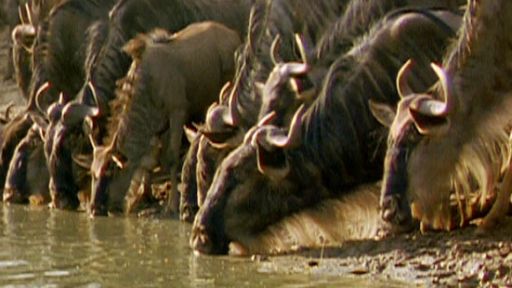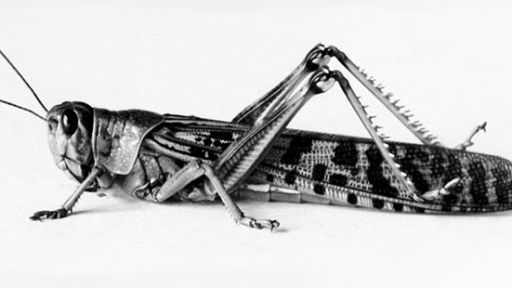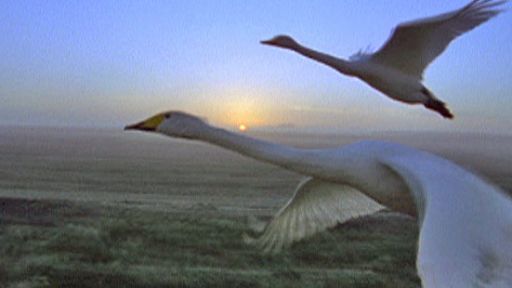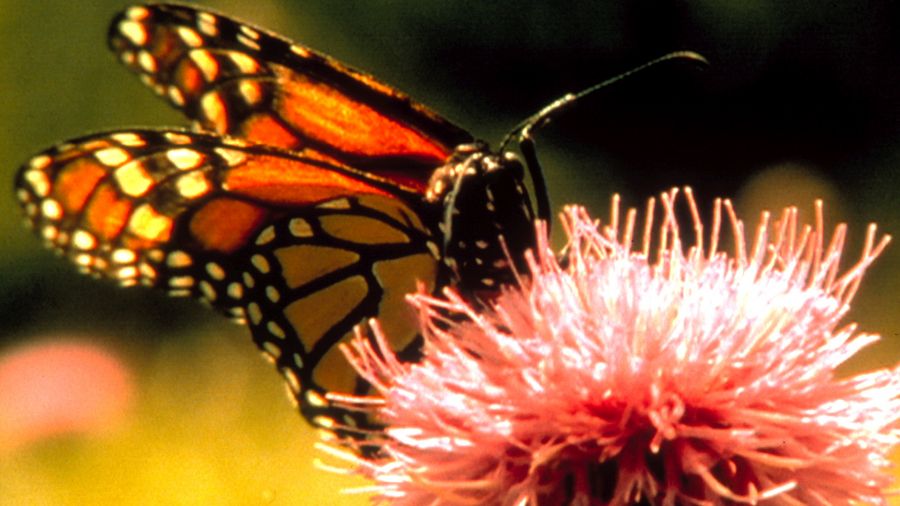
Seasonal changes impel a wide variety of creatures, from whooper swans to monarch butterflies, to begin their epic migrations to ancient feeding, mating, and breeding grounds, sometimes covering thousands of miles and employing ingenious methods to reach their destinations.
To view this site, you need to have Flash Player 9
or later installed. Click here to get the latest Flash player.
Loading chapter info...


(23 votes)

i thought that the prolonged slow motion eerie music of the grizzy bear catching the salmon seems to villanize the grizzly bear…..bears need to eat too!!…a lill too much there…we eat salmon too!!!
plus….why do the salmon turn red and have green heads once they reach the river???
all in all…it was good…i love all nature documentaries:)
i thought it can reach very far destination
This Nature Is like you.
Your episode contained a glaring error of fact within the the first clip – sockeye salmon reach “parr” stage within months of them hatching, and at four years old would have completed, or nearly completed, maturing ( http://www.wildpacificsalmon.com/site/680079/PAGE/505912 ). I have chosen not to watch any further since, like many people, I hope to learn REAL facts and insight about the natural world – an ideal you have not apparently lived up to in this episode. I hope in the future you will invest in proper research for your program.
ok dokey.
I thought it was great! Thank You!!
I thought this episode was excellent. Very informative, well shot and narrated. Thank you for your efforts!
very interesting
I have enjoyed the video on earth navagitors from the begining to the last. Watching these kind of videos make me happy and thankful for having you guys to film and experiance the ture nature.
The information about salmon is indeed factual. The salmon morph into parr within several months after hatching and remain that way for sometimes as long as four years or more. Then they turn into smolt and leave the river. They are not technically mature(able to reproduce) until they return many years later. Furthermore the link provided by Sarah does not dispute this other than saying the par stage lasts only 3 years (which is usually but not absolutely true). I suggest you listen more closely to the wording in the video. Also whenever you want to dispute a scientific fact the ONLY appropriate sources are peer reviewed literature and data managed by organizations like NOAA. Websites that are trying to sell salmon are spurious at best.
NATURE has consistently produced quality educational and captivating programs. Keep up the great work!
Thank you, Travis, for your enlightened response.
Beautiful and informative , thank you PBS. But how do you track and shoot a butterfly over the atlantic ?
I love this episode!!
Drew, a lot of the butterfly stuff was animated or composited. Also, their story of a specific butterfly was a bit of poetic license. They used shots of a butterfly in a storm and made it into an individual story. Thank heavens they didn’t try to track an individual butterly over the Atlantic when the country is $13 trillion in debt.
Thanks to pbs for having those kind of episode available on line.