 |
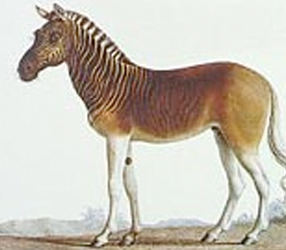
In 1883, biologists believed the world had lost one of its zebra species. The last known Quagga, an unusual brownish, partly striped zebra, died in the Amsterdam Zoo. Hunters had already exterminated its wild cousins, sought for their striking hides and because ranchers believed they competed with livestock for grasses.
Now, more than 100 years later, researchers in South Africa are on the verge of bringing the Quagga — or at least a modern version of it — back to life.
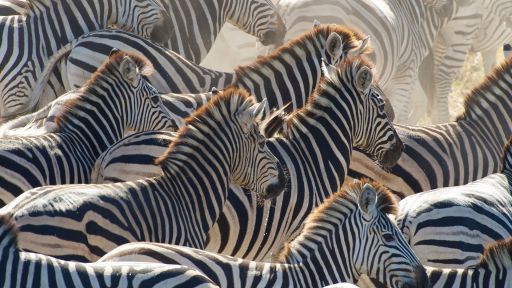
The restoration effort is the brainchild of Reinhold Rau, a taxidermist and wildlife enthusiast committed to seeing the Quagga back on its native range. His restoration hopes got a boost in the 1990s, when genetic scientists used tissue samples from an old Quagga hide to show that the animal was simply one variety of Plains zebra, not a separate species. The study suggested that Rau and his supporters could use modern Plains zebras, like those featured in NATURE’s Horse Tigers, in a careful breeding program to recreate the Quagga.
After years of work, the selection effort appears to be paying off. Over the last few years, The Quagga Project has produced scores of zebras with unusual, Quagga-like markings, some of which have been released into parks and preserves.
The project does have its critics, who say there is no guarantee that the modern Quaggas replicate the habits or behaviors of the extinct variety. But Quagga Project backers are upbeat. There is no evidence, they note, that Quaggas behaved substantially differently from other Plains zebras. And since the grasses that Quaggas ate are still in existence, project officials say there is “no reason to believe that animals produced in the selective breeding program would not survive successfully in the region formerly occupied by the Quagga.”