Visit Your Local PBS Station PBS Home PBS Home Programs A-Z TV Schedules Watch Video Support PBS Shop PBS Search PBS
Get Adobe Flash player
You need Flash Player 9 and javascript enabled to see the content of this site.

Kalahari
Introduction

The Kalahari Desert in Southern Africa is a world of extremes, its apparent emptiness punctuated by explosions of life. Relentless cycles of dry and wet, scarcity and plenty, dictate which creatures can live here, and which will die.

Shot in stunning high definition and 35mm film, and told through the eyes of renowned naturalist, filmmaker and longtime resident, Tim Liversedge, two remarkable films provide a masterful account of the inner workings of one of the last truly wild places on earth.

Kalahari: The Great Thirstland

Long spells of sparse rains leave riverbeds dry, and little to eat. Then, as if by magic, swarms and multitudes of birds and insects come to life, great herds of wildebeest and zebra gather, flamingoes coming home to breed fill the skies, and bullfrogs arise from years of sleep, when the great rains come to the Kalahari.
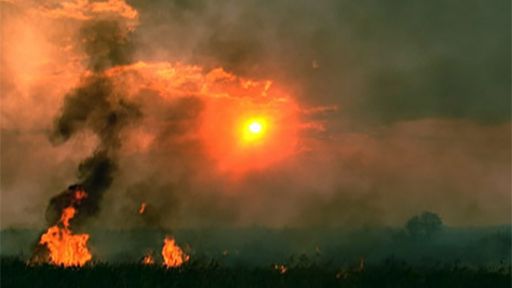
Kalahari: The Flooded Desert

The Okavango River flows inland through Botswana from mountains in the north, creating a spectacular delta - a permanent wetland in the heart of the desert. It supports a vibrant community of wildlife which would otherwise never call the desert home. But this world of water is no ’safe’ oasis. All life here is at the mercy of the delicate balance between the desert and the flood.

Watch a preview of Kalahari: The Flooded Desert:

Get the Flash Player to see the wordTube Media Player.

To order a copy of Kalahari, please visit the NATURE Shop.

Online content for Kalahari was originally posted November 2003.

   Print    Email    comments (12)

(31 votes)
Loading ... Loading ...

Comments

12 comments

#1

I need info on people, what the eat what the where and how the adapted.

#2

ugly!

#3

lindo, a começar do som do nome

#4

A WONDEROUS WORLD ON IT,S OWNS !!!!!!

#5

Jene compentua, siusi!

#6

Glad to see one of the episodes on my list!

#7

Am 15 minutes into the first episode. Just the kind of photography you’ve come to expect from PBS. If you have hi-def, you’re in for quite a show.

#8

Why’s Nature not on at 8 tonight? What is this…? I’m gonna watch the Amazing Race anyways, but still! Oh well, I’ll just catch it Monday at 5! Or did they change that too?

#9

This one was much better then the first one! More animals! I can’t beleive they didn’t show any Meerkats though, the symbol of the Kalahari!

#10

a need info on what insects live in the kalahari desert

#11

i neeeeeeeeeeeeeeeeed info about insects

#12

happy to see one episode

Post A Comment


Your Privacy Matters
Please note that the Thirteen/WNET editorial staff reserves the right to not post comments it deems to be inappropriate and/or malicious in nature, as well as edit comments for length, clarity and fairness. No solicitations or advertisements will be allowed. Users may link to other Web sites relevant to discussion, but most often links to commercial Web sites will not be permitted.

Submit

Produced by THIRTEEN WNET New York    ©2009 Educational Broadcasting Corporation. All rights reserved.

Major corporate support for Nature is provided by SC Johnson, Canon, CPB.