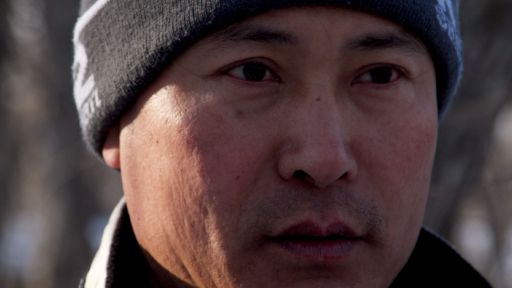
Ecologist Chris Morgan shares photos from his time in Russia during the filming of Siberian Tiger Quest.
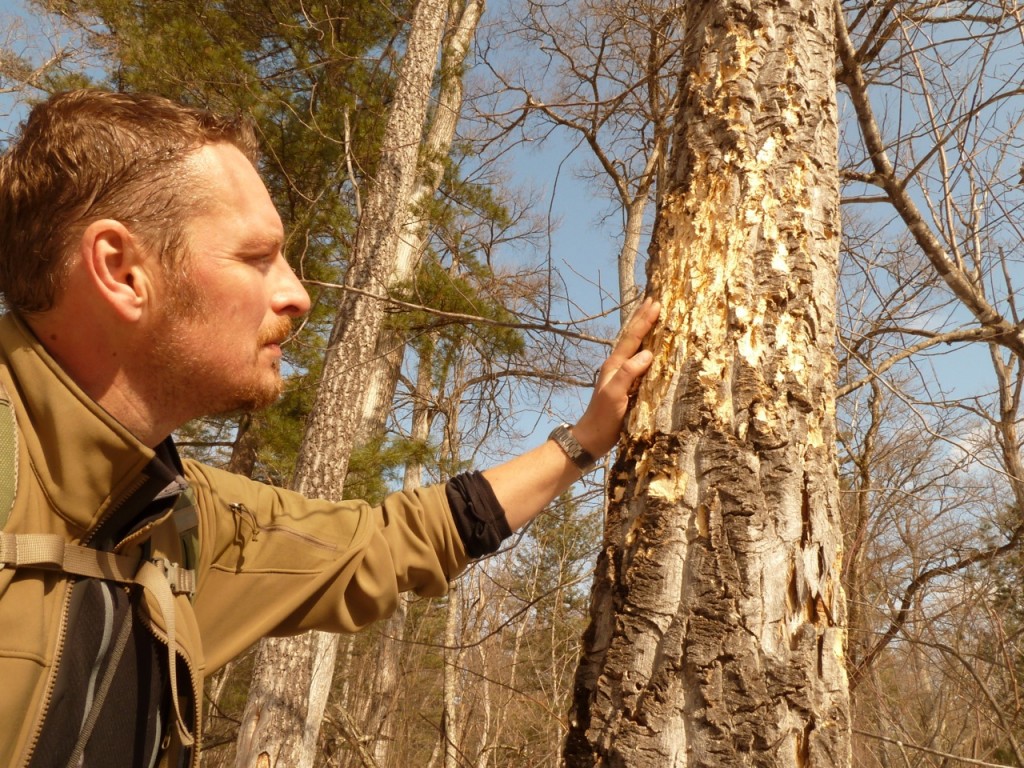 Siberian Tiger Quest"One of my favorite activities is wildlife tracking. I'm well used to it in bear country, but tiger country was new to me, and around every corner was a new thrill. I found very fresh tiger claw marks high up this tree that indicated some recent activity. On the ground at the base of the tree was a tiger scat full of wild boar hair. What a find! I constantly felt as though we were being watched in the forest - the black and orange colors of the trees and leaves would allow a tiger to blend in perfectly."Photo: Chris Morgan
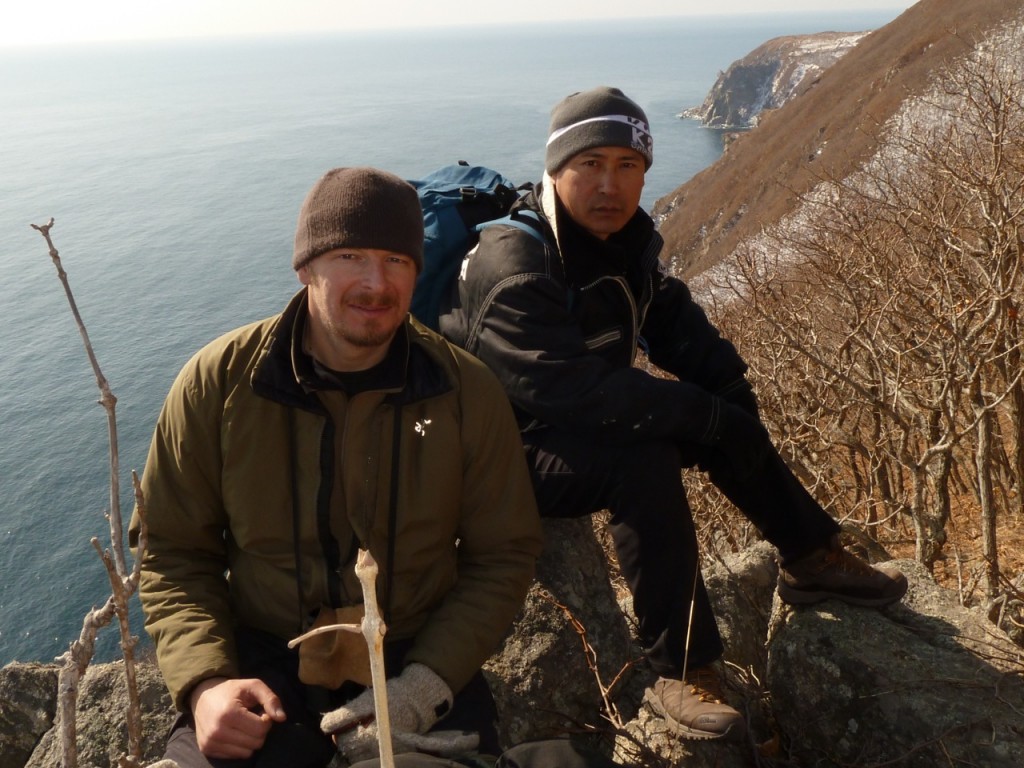 Siberian Tiger QuestChris Morgan and Sooyong Park. "The Pacific Ocean makes a dramatic backdrop for tiger country. This is the edge of the tiger's range. Japan is just 200 miles away over the horizon."Photo: Graham MacFarlane
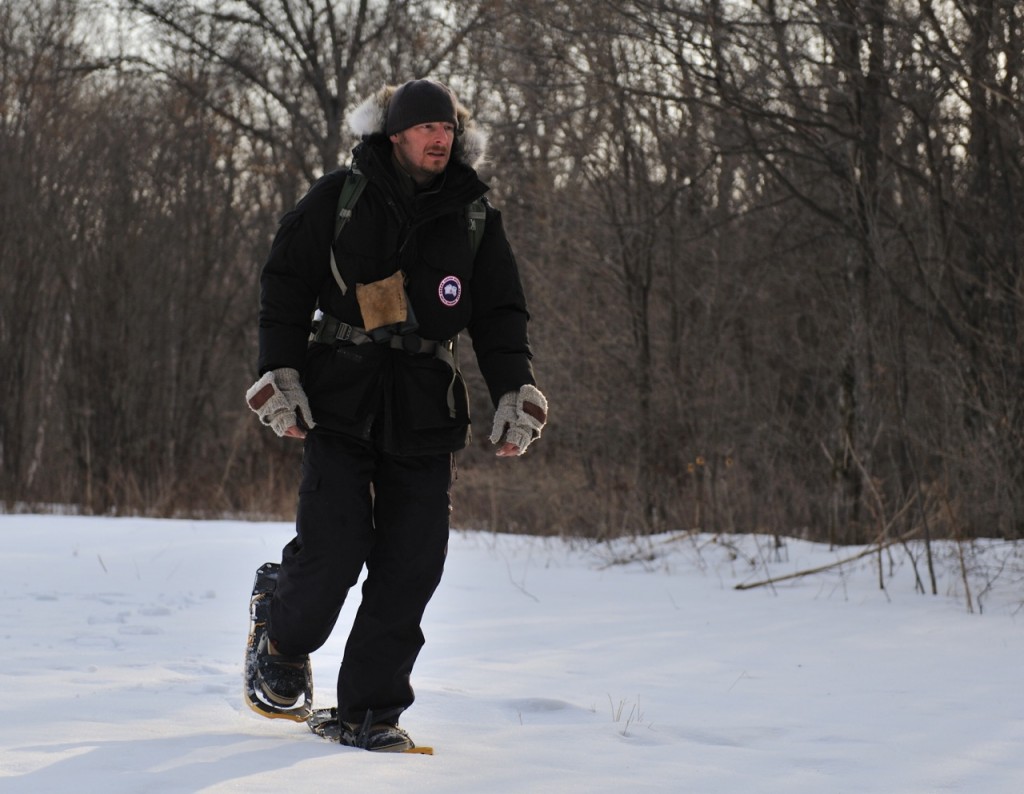 Siberian Tiger Quest"Setting off on a day of tracking tigers in the forest near our ranger cabin. I'd wake up every morning with a heart-pounding sense of anticipation. When you're looking for Siberian tigers it helps to be an optimist! There are fewer than 400 of them left in the wild."Photo: Graham MacFarlane
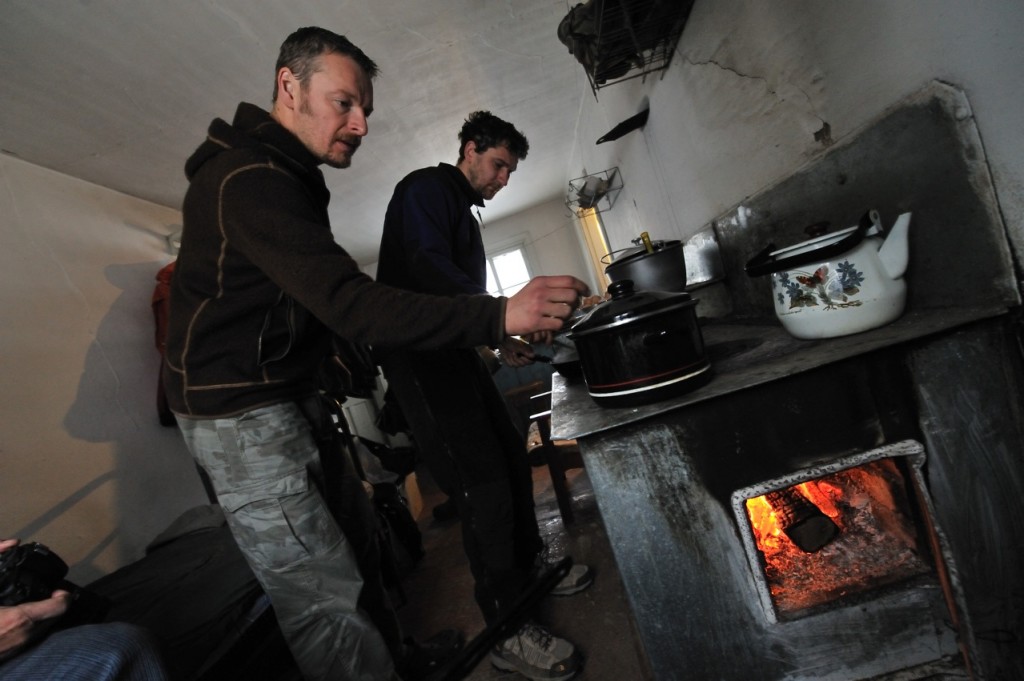 Siberian Tiger Quest"Ahhh - the warmth of the ranger cabin we stayed in for part of our film shoot was always wonderful to come back to after a long day in the field. I loved the design of these places - the wall to the right contained the chimney (you can see the flue to the right of Joe's head) - it's basically a hollow brick wall construction that allowed the heat from the fire to warm not just this room (the kitchen), but also the room next door - the wall would be almost too hot to touch. Great idea! it was easy to see why the Russians took the cold so seriously when temperatures here drop to minus 40 degrees and beyond!"Photo: Graham MacFarlane
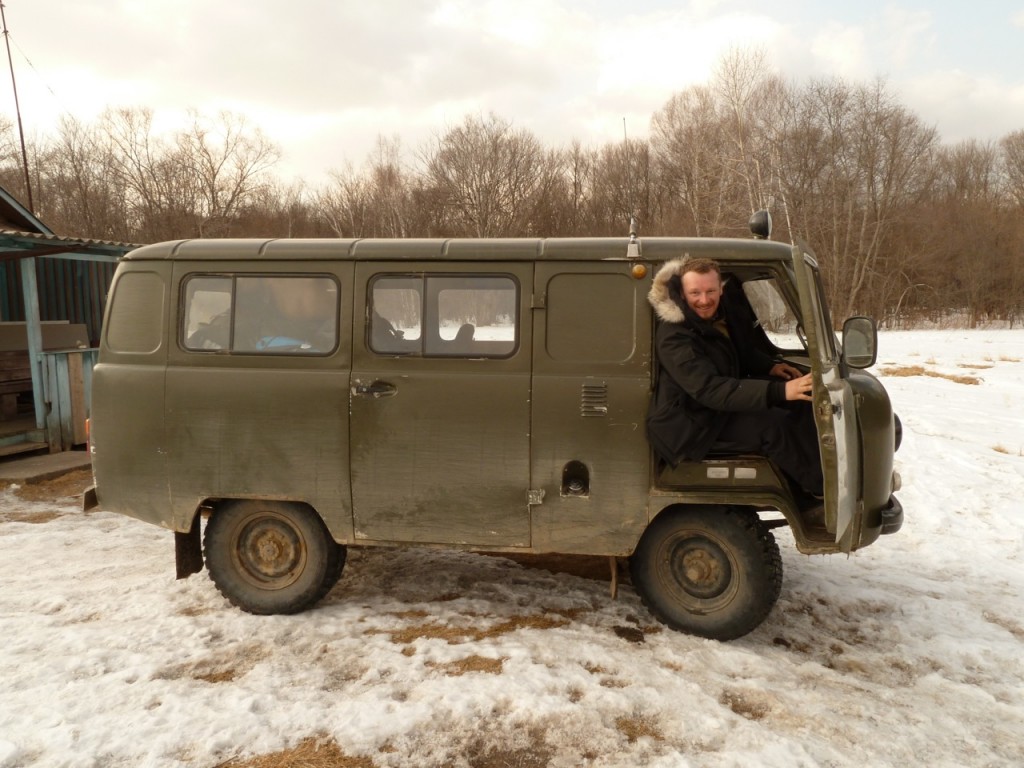 Siberian Tiger Quest"Love it! I hitched a ride in the ranger wagon on the way out one day. These UAZ vehicles are amazing and will pretty much go anywhere."Photo: Joe Loncraine
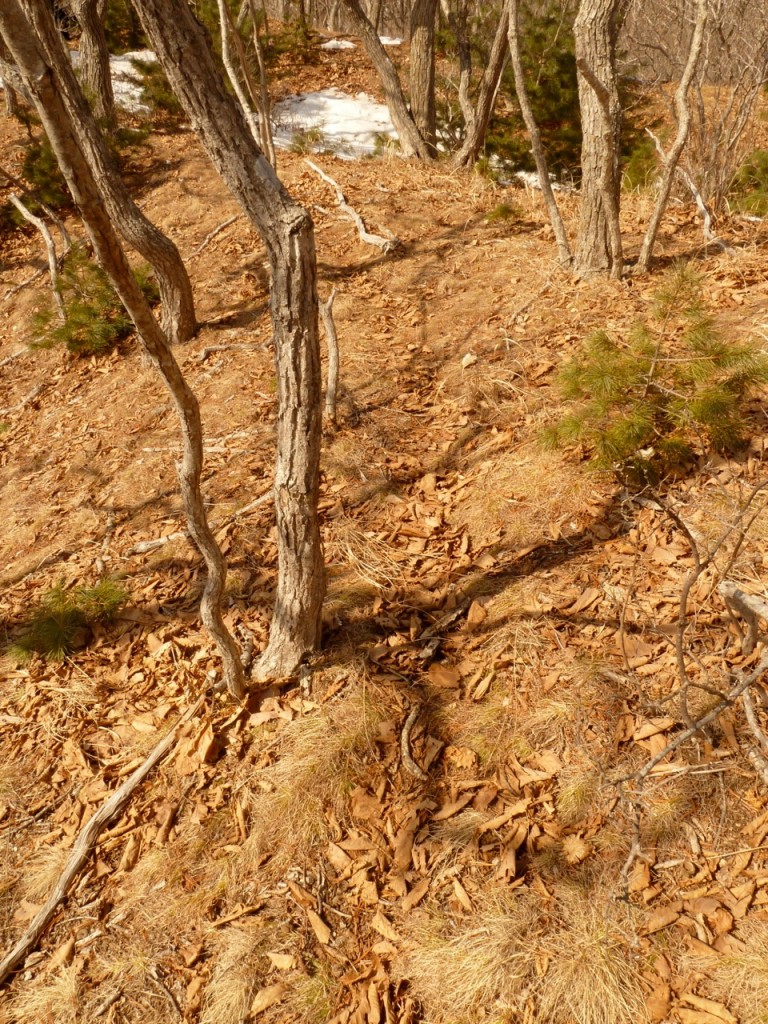 Siberian Tiger Quest"A faint trail used by tigers along the top of a giant cliff overlooking the Pacific Ocean. We came across several spray marks on trees along trails like this one. Constantly marking their territories, tigers develop a scent map of their neighbors, and some pretty complex relationships evolve. For example, Park loved to talk about how male tigers play with their cubs, even though they play no part in rearing them."Photo: Chris Morgan
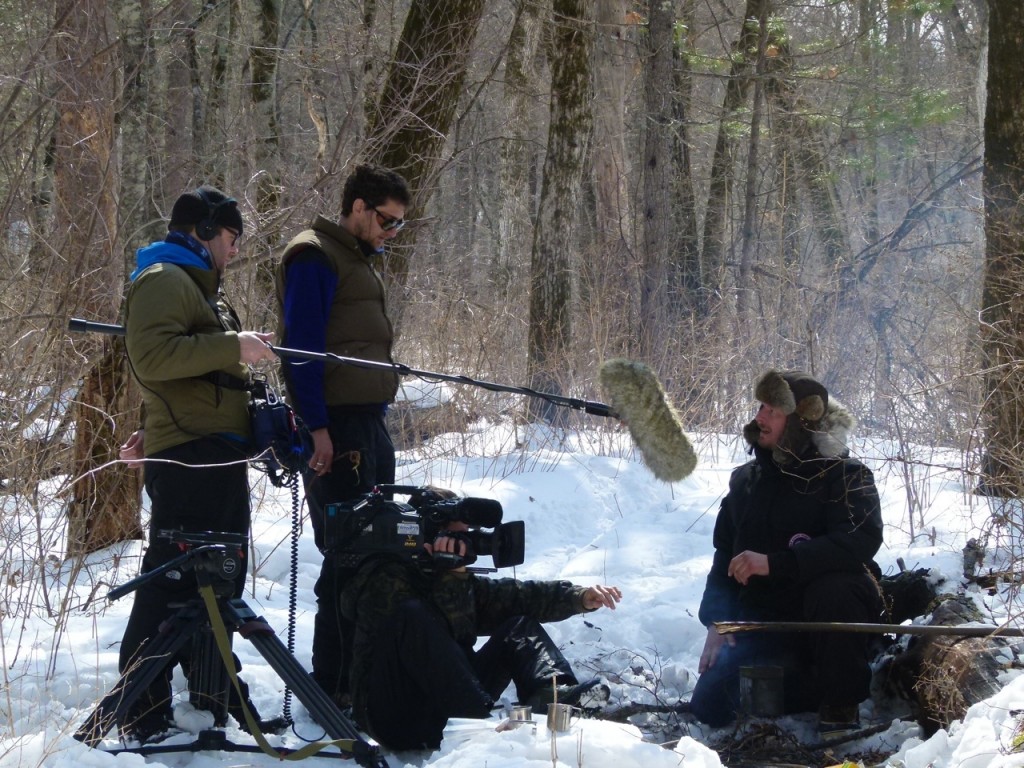 Siberian Tiger Quest"Time for a tea break, and a chance to strategize about next steps. The very dry air meant that there was no shortage of fuel for a fire - always good for spirits!"Photo: Anatoly Petrov
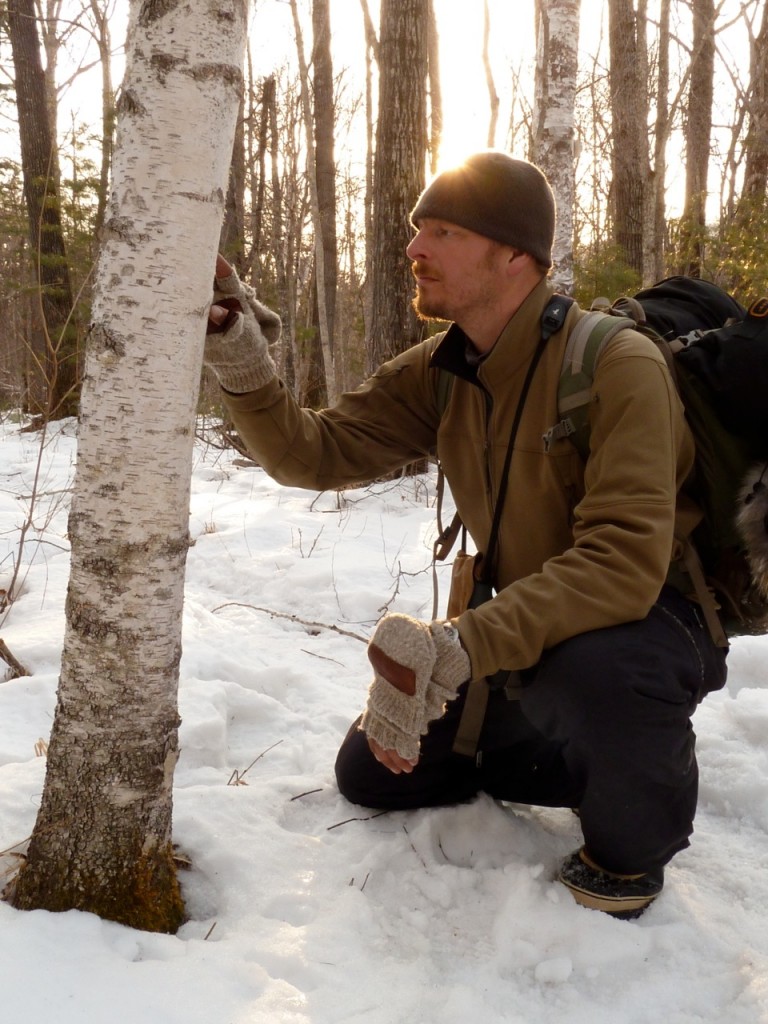 Siberian Tiger Quest"This was a very exciting find - a tiger "rub tree" - I could even see the fine lines left by the cat's whiskers in the delicate bark of this birch tree. Tigers will often scent mark trees like this too - Park described to me me how they even select the best trees - those that are growing at an angle and not straight up. Leaning trees allow the tiger to spray the tree on the underside where the rain and snow can't "wash" it away!"Photo: Graham MacFarlane
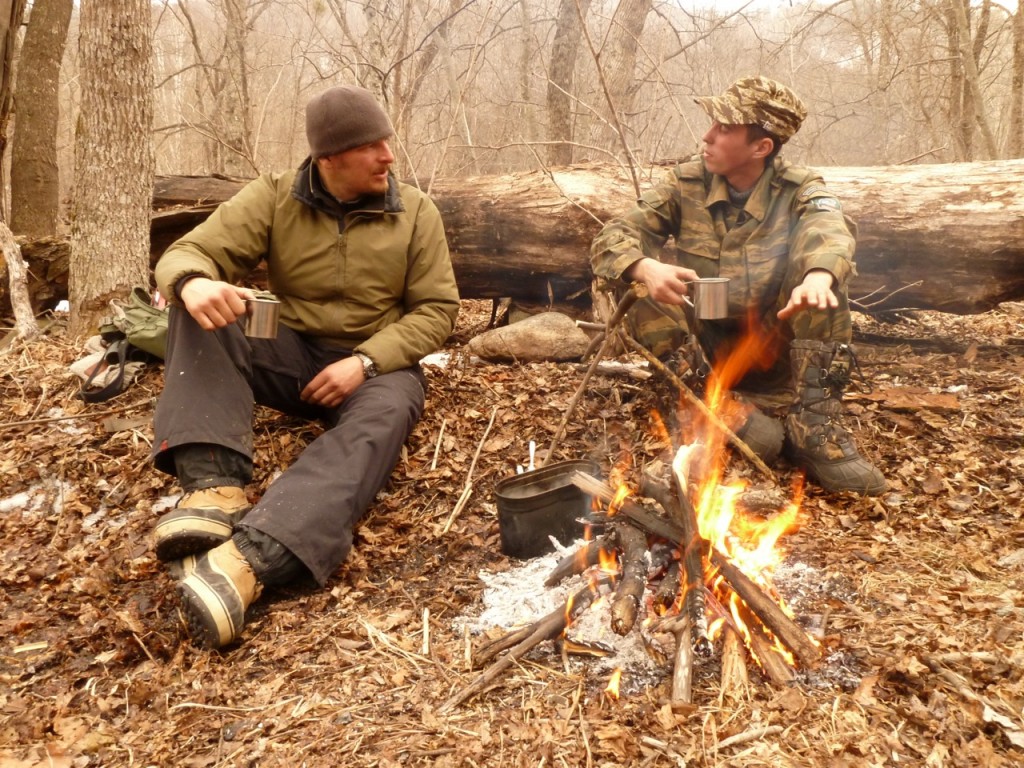 Siberian Tiger Quest"I loved chatting to the local rangers who have dedicated their lives to protecting this place and it's tigers. Here I'm, with Dima who helped guide us to some incredible places in the forest in search of tigers. To me, Dima was the future - a young, smart, passionate man who was knowledgable about ecology, tiger conservation and behavior, and the need to do all we can to see tigers survive in Russia."Photo: Mike Arnott
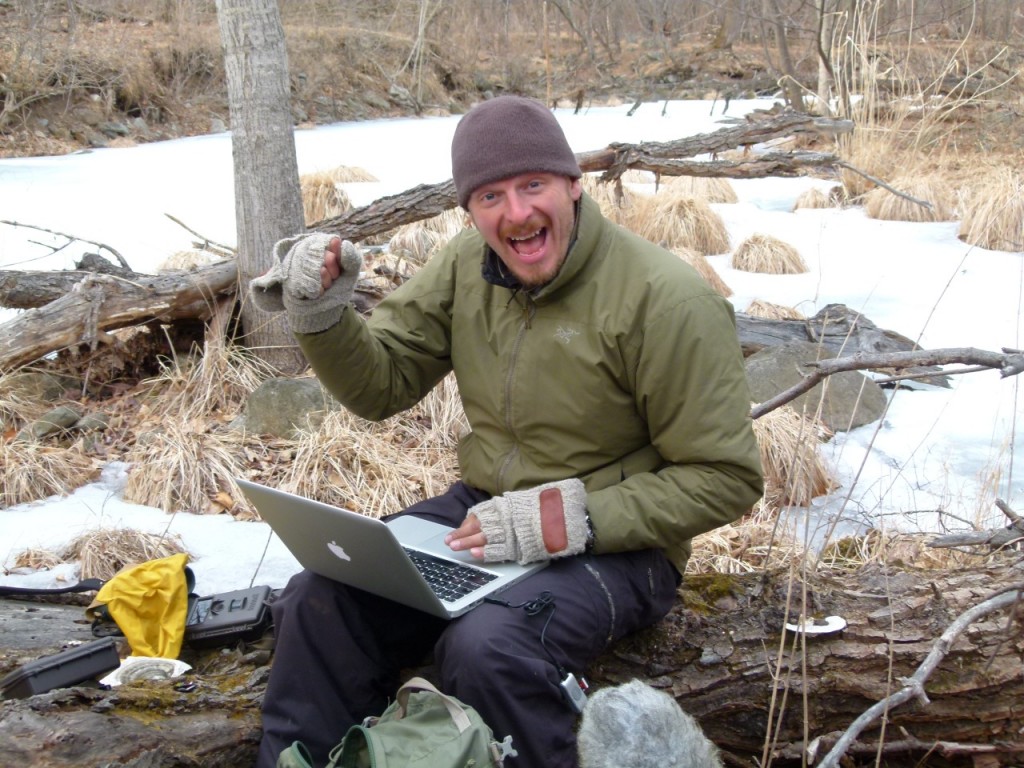 Siberian Tiger Quest"What can I say? A memorable moment when I came across a wonderful surprise on one of my camera traps."Photo: Anatoly Petrov
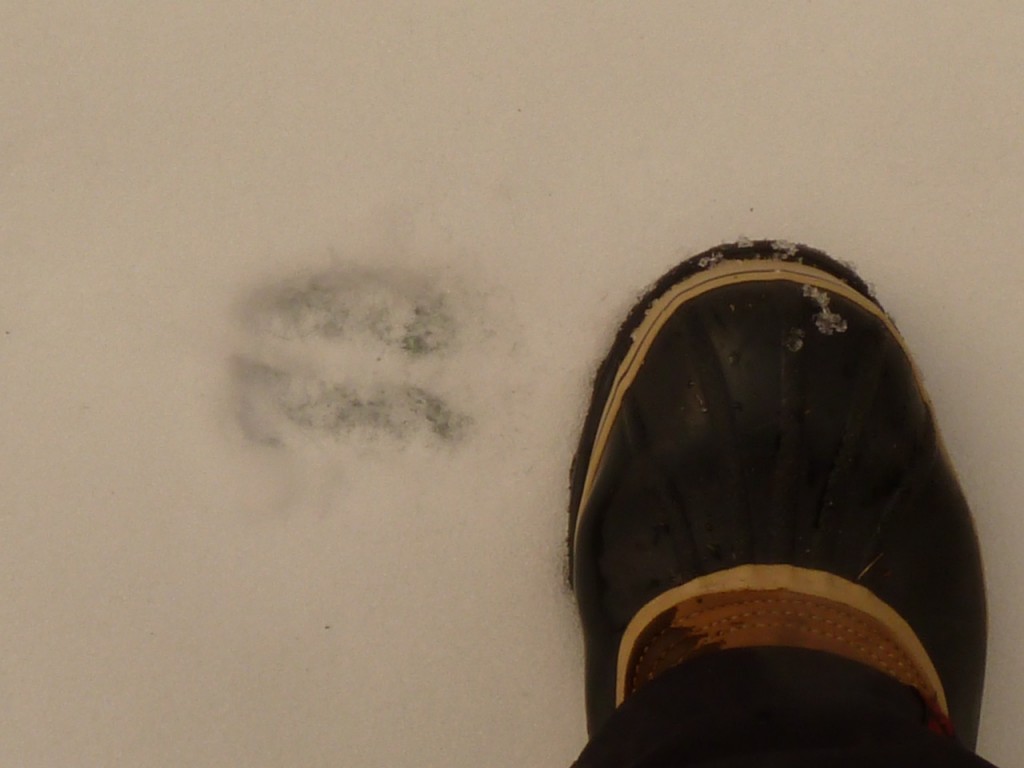 Siberian Tiger Quest"A fresh deer track. We'd been told that it would be almost impossible to film a tiger, but we found it almost impossible to film tiger prey too! Deer and boar are highly elusive - for obvious reasons - they are prime prey for a tiger. But less obvious is the fact that deer and boar, like tigers, are also poached. It's a double whammy for tigers - not only are they worth many thousands of dollars to a poacher, but their prey is being taken from them by poachers as well."Photo: Chris Morgan
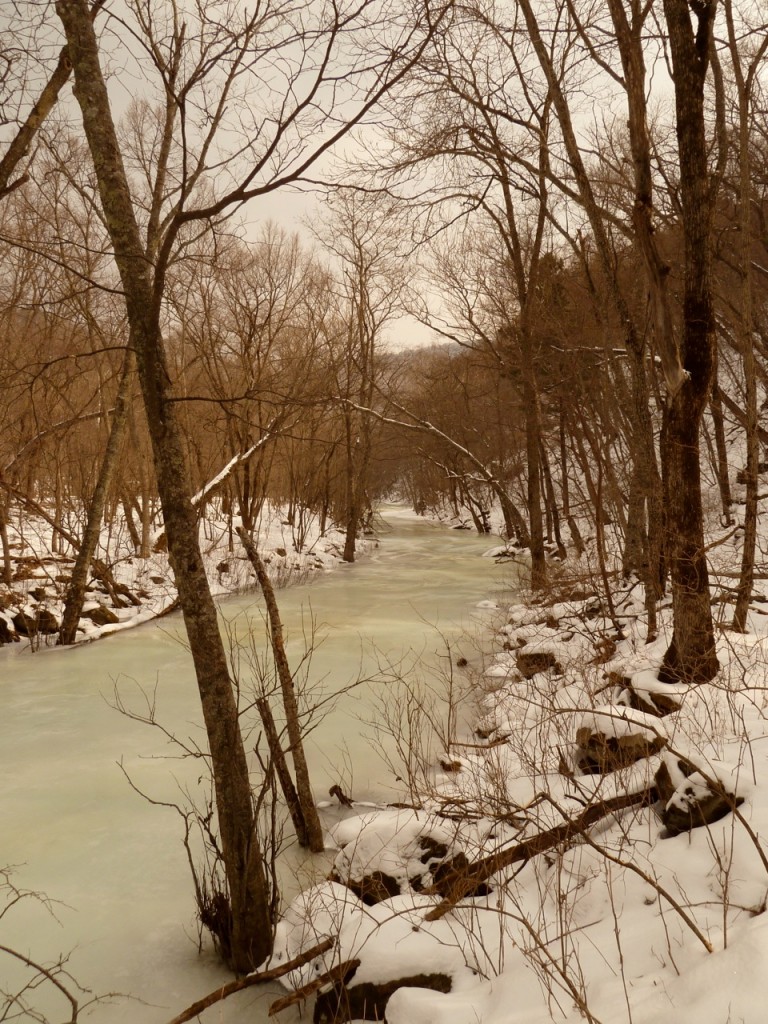 Siberian Tiger Quest"This is where Park sat in a tree stand for around 6 months, with a short break in between. Every day he would wait for the tigers to appear - he had found evidence of their presence here, and seemed to "will them" back. Some of the images he filmed from this spot are astounding as you'll see in the film. A male tiger's territory can cover 2000 square km, so even a "local" resident can take weeks to return to the same area to patrol. It didn't stop Park from trying." (Photo: Chris Morgan
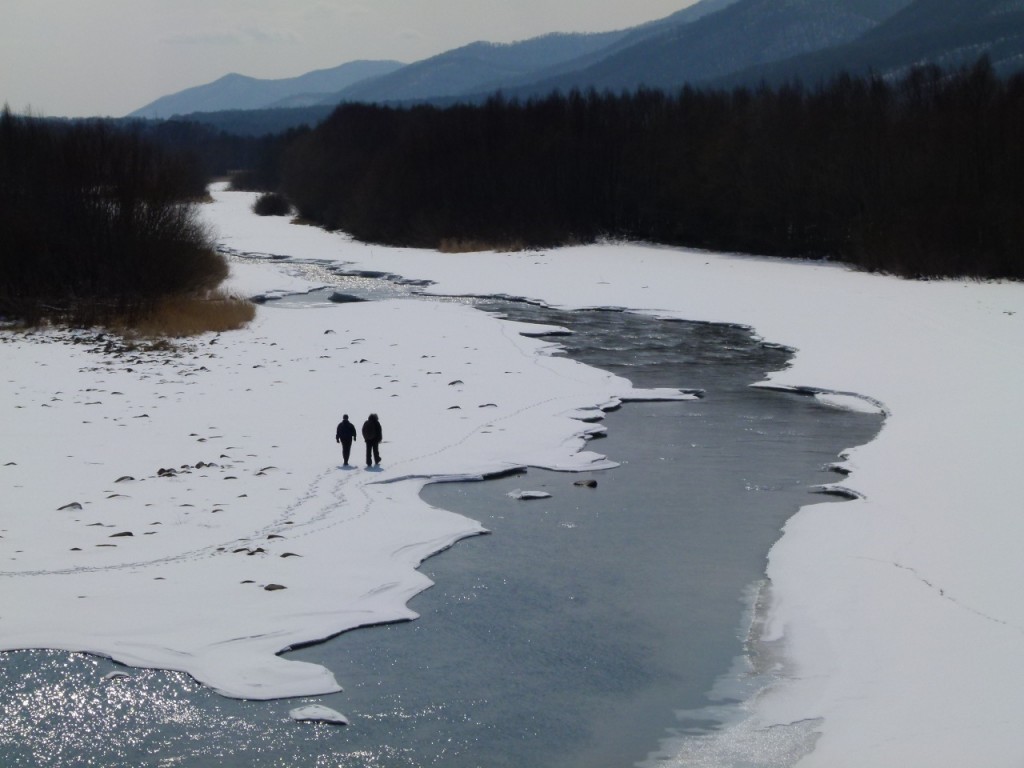 Siberian Tiger Quest"Sooyong Park and I hike out across a frozen river in search of tiger tracks. I really like Park from the moment we met. I immediately told him "I want to be your student - please teach me everything you know". I was completely blown away by Park's stories - I've never known such absolute commitment and sheer bravery. He really did set himself an almost impossible task, but he persevered, and left with what he came for. In the meantime, he told me that the experience changed his life, and even changed him as a person. How could sitting in a hole in the ground for 6 months at a time not change you?"Photo: Anatoly Petrov
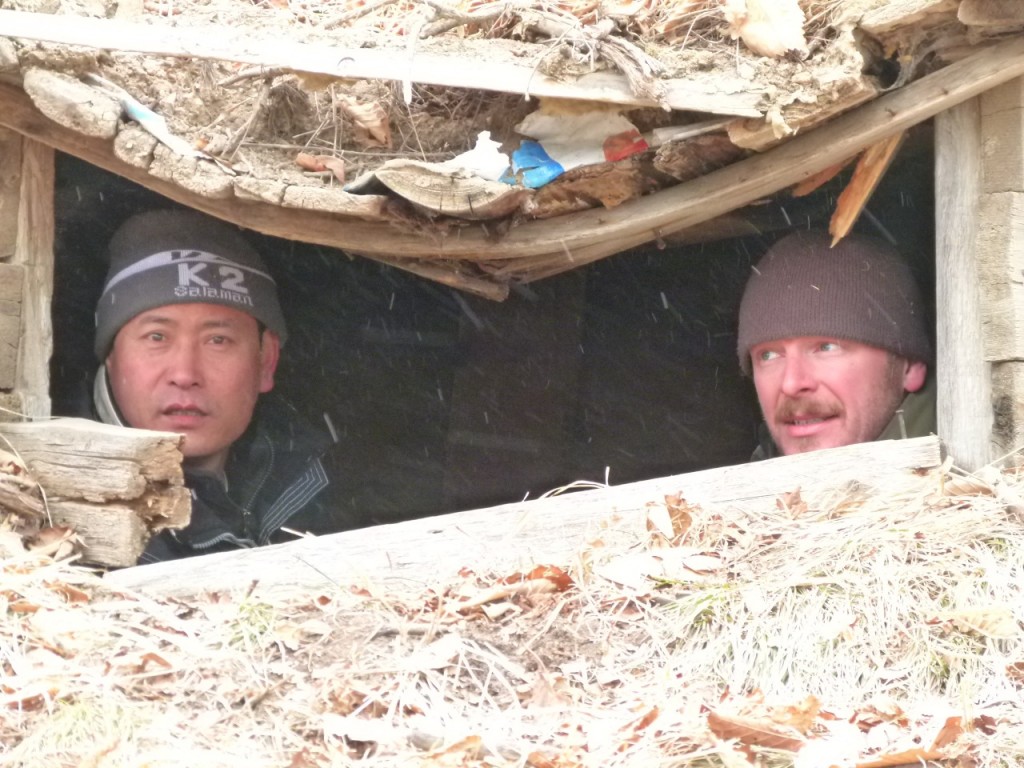 Siberian Tiger Quest"I was amazed when we finally made it to one of Park's hides - a tiny hole in the ground, barely high enough to sit upright in. I couldn't stretch my entire body length out inside, and I was absolutely astounded that anyone could spend weeks and months in this cramped, claustrophobic environment. Park's commitment to his mission became very clear to me at this moment. He has my never-ending respect. In the film Park describes how he dealt with the solitude - sometimes it was very difficult for him - his assistant would arrive every few weeks to take away Park's waste, and deliver fresh packets of rice. There were times when Park couldn't even look him in the eye as he knew it would be almost emotionally impossible to remain in his hide after human contact."Photo: Anatoly Petrov
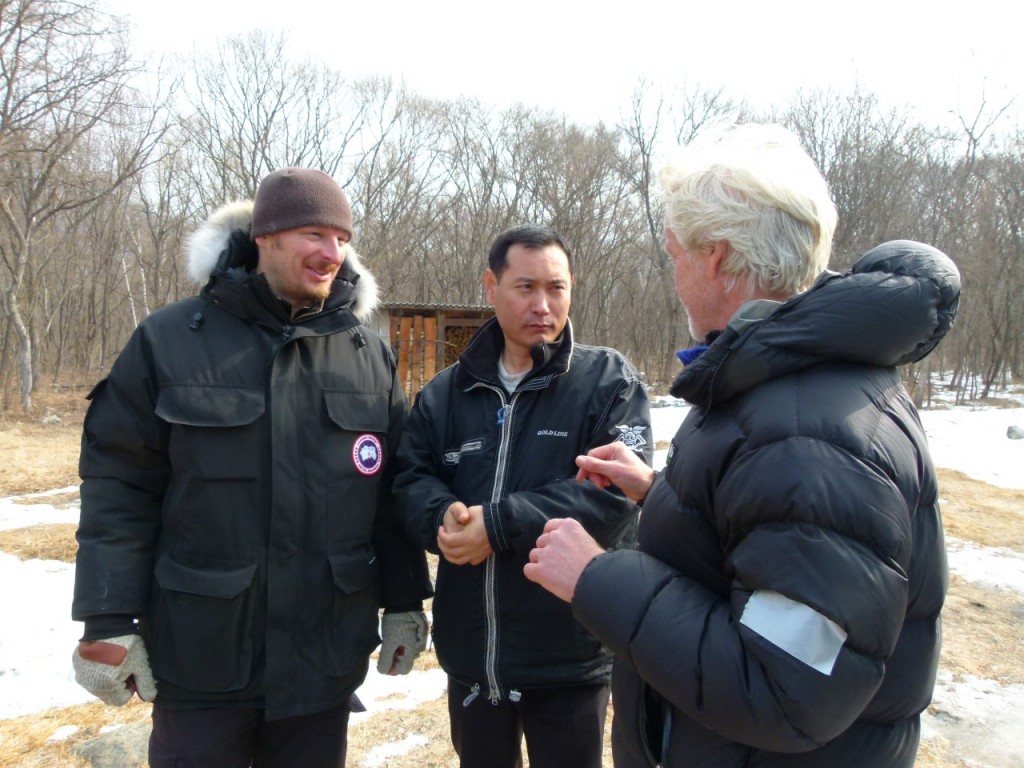 Siberian Tiger Quest"Producer Mike Birkhead talks to Park and I about the plan for the day. Mike met Park at a film festival and knew immediately that this was a special story to tell."Photo: Anatoly Petrov
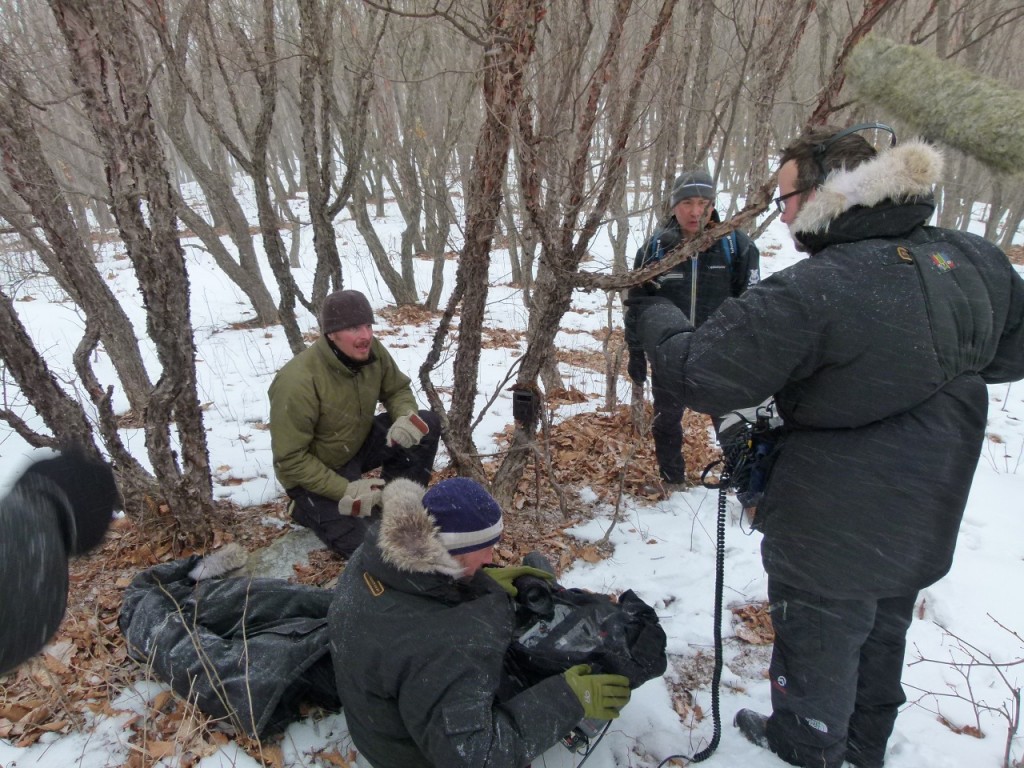 Siberian Tiger Quest"The weather threw some tough conditions at us - this is Siberia after all! But no matter how cold it got, none of us ever complained, because we knew Park had gone through FAR worse! He would sit for weeks and months at a time in his hide (basically a hole in the ground, or a tree stand) when the temperatures dropped lower than minus 30 degrees C! In the shot above we're tracking tigers en route to one of Park's hides. Soundman Mike Arnott (right) tests his microphones, while cameraman Graham MacFarlane dusts the snow from his camera. These guys were amazingly resilient considering the huge hassle involved with filming in very low temperatures."Photo: Anatoly Petrov
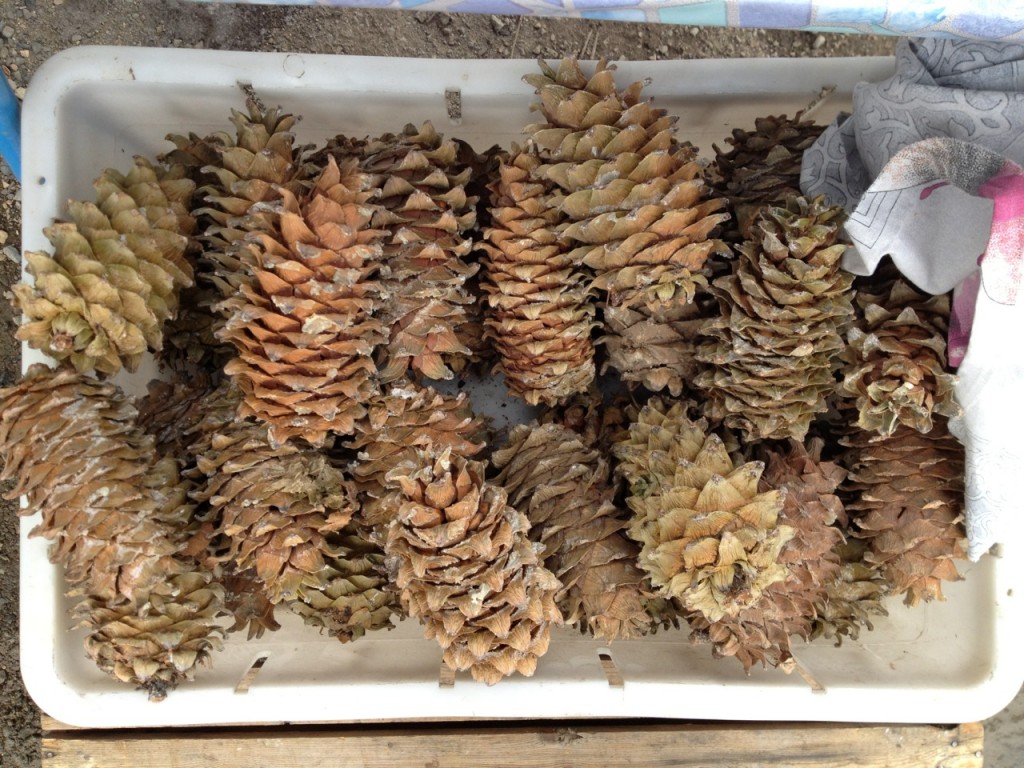 Siberian Tiger Quest"The famous Korean pine cone, packed full of pine seeds. Everything that the tiger eats, depends upon these - the boar and deer are prime examples. It was amazing to think that these trees prop up the entire ecosystem - especially as the Korean pine is found only in relatively small patches that are themselves becoming rare due to illegal logging. I found these at a roadside stall that was also selling honey and the roots of wild ginseng."Photo: Chris Morgan
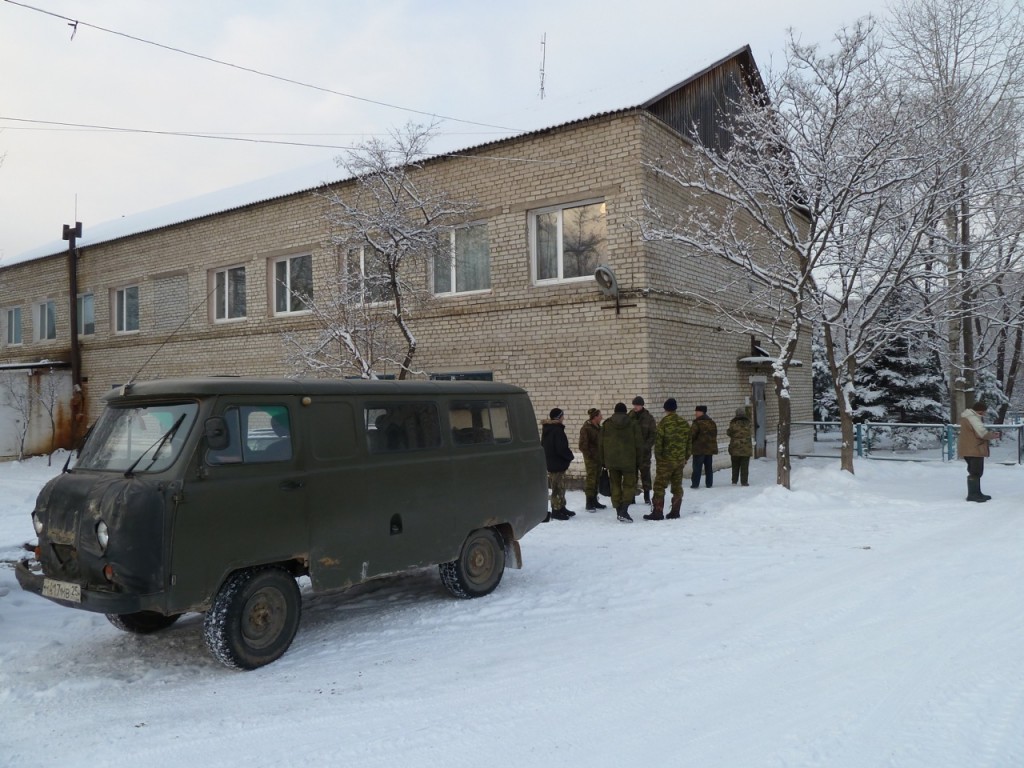 Siberian Tiger Quest"Lazovsky reserve rangers prepare for a day of work on patrol. We stayed for a few nights in the reserve headquarters while preparing to head into the deeper forest in search of tigers. At this point, I still couldn't really picture tigers in this type of environment."Photo: Chris Morgan
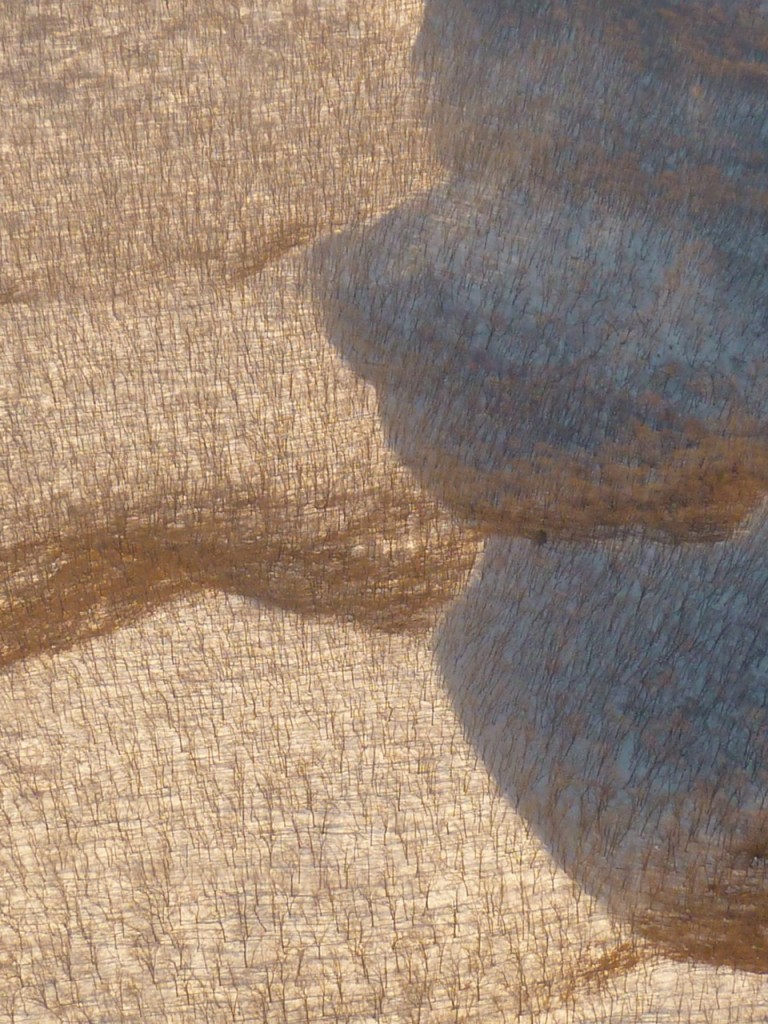 Siberian Tiger Quest"Primorsky Krai is an area of South-East Russia about the size of my home state of Washington. The forest here is incredible as it provides a melting pot of species from the north and south. Here, brown bears, wolves and lynx from the north meet leopards, tigers and Himalayan black bears from the south. Someone once said that it is like Noah's Ark spilled it's animals onto the shore here, and none of them left."Photo: Chris Morgan
 Siberian Tiger Quest"My field notebook also served as a handy phrasebook! Russian is a very tricky language, but I was determined to give it a shot! I loved some of the Russian idioms - especially ones like these that became useful on a tiger film shoot!: Don't mess with them (literal translation: "don't put your finger in their mouth"). They've disappeared into thin air (literal translation: "like a cow licked them away"). This is impossible to pronounce (literal translation: "you'll break your tongue"). We've run into unexpected problems (literal translation: "we've run into underwater rocks")."Photo: Chris Morgan
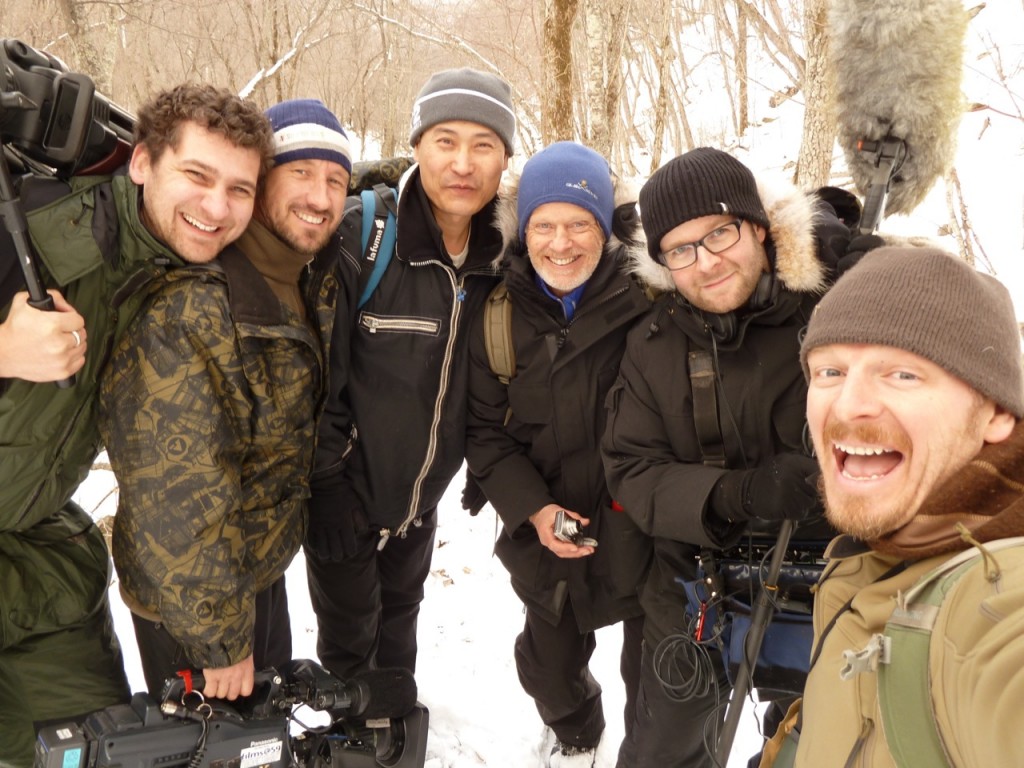 Siberian Tiger Quest"The team: left to right: Joe Loncraine (director), Graham MacFarlane (cameraman), Sooyong Park, Mike Birkhead (Producer), Mike Arnott (sound), Chris Morgan right after filming Park's tree stand where he filmed a family of tigers playing in the snow. We were all pretty excited to reach this spot, and share the experience with Park."Photo: Chris Morgan
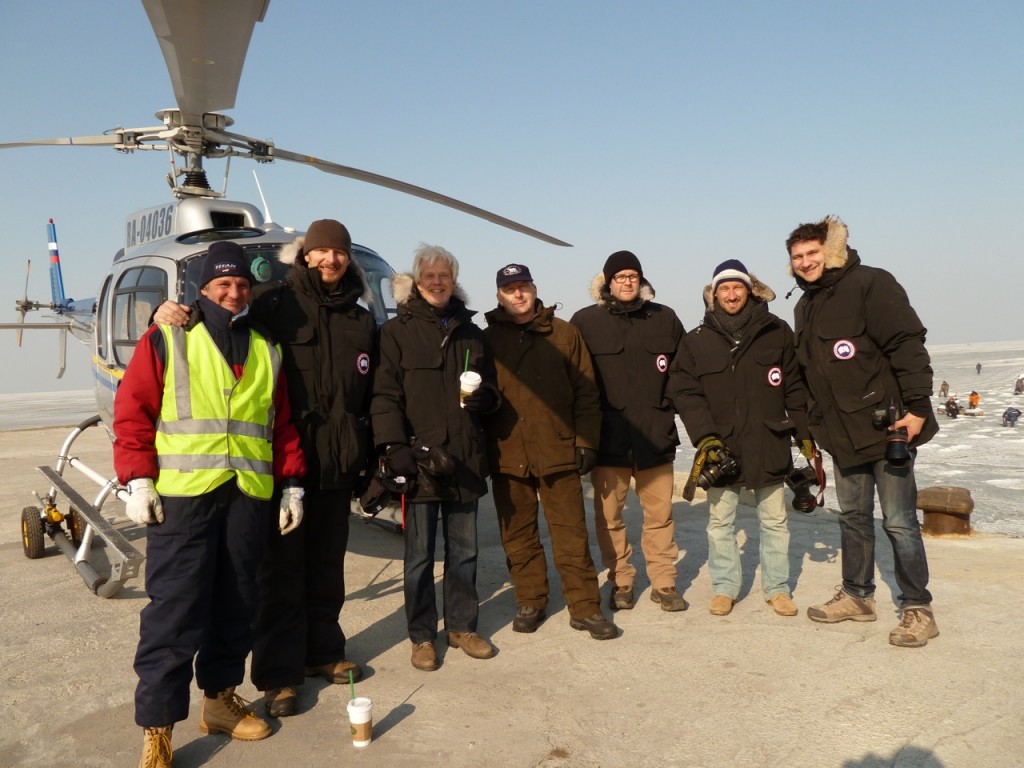 Siberian Tiger Quest"The team prepares to take flight over the Russian forest in a helicopter. We needed a bird's eye view of the region to really share the sense of scale, and also just how close to Vladivostok (a city of half a million people) the wilderness is. Russia is the largest country in the world, spanning two continents, nine time zones, and all climates except tropical. 80% of the population lives west of the Urals, leaving vast areas of very, very wild land. The people behind us on the right are ice fishing - they drill a hole in the ice and drop down a line, and wait - sometimes for hours, in temperatures well below freezing."Photo: Chris Morgan
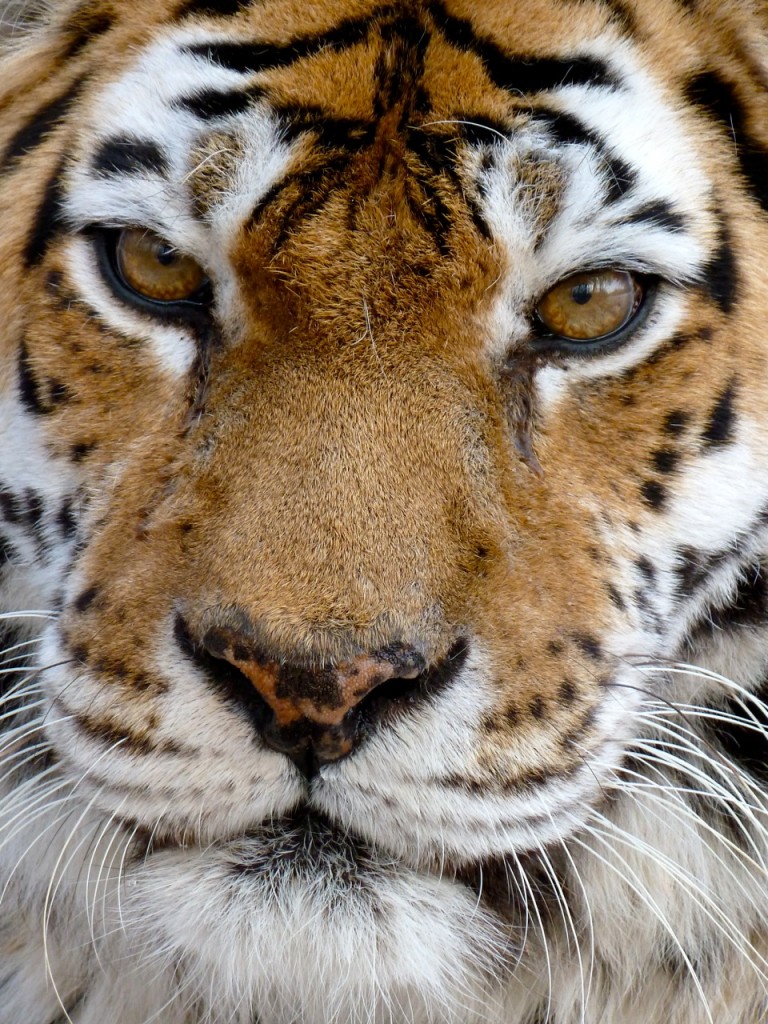 Siberian Tiger Quest"One of the captive tigers we filmed right at the beginning of the shoot. We were looking for an opportunity to marvel at these animals up close and personal, knowing that we would never have that opportunity in the wild. If you've seen footage of Siberian tigers, the chances are they were filmed in captivity. it is just about impossible any other way, which is why Sooyong Park's story is so off-the-charts."Photo: Chris Morgan
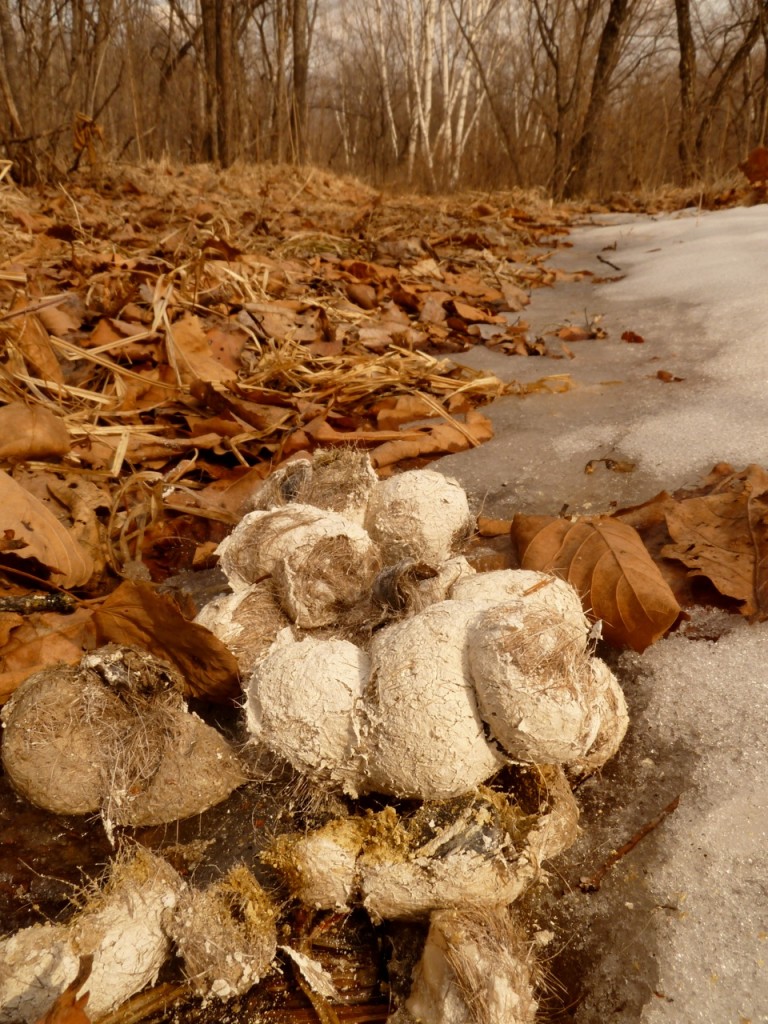 Siberian Tiger Quest"As far as scat photographs go, this is a pretty nice one! It's quite an old scat, and full of hair - mostly deer hair. As with many species, prey determines distribution for tigers. These are the northernmost tigers in the world, and in this area, they follow the red deer and wild boar to their northern regional limit. The boar and deer depend upon the Korean pine tree (the nut that this species produces), which in turn limits their range. This is quite an old scat - not as fresh as some we came across. As well as hair, the scat contained many bone fragments - a reminder of the incredible 1000 pound per square inch crushing power of the tiger jaw."Photo: Chris Morgan
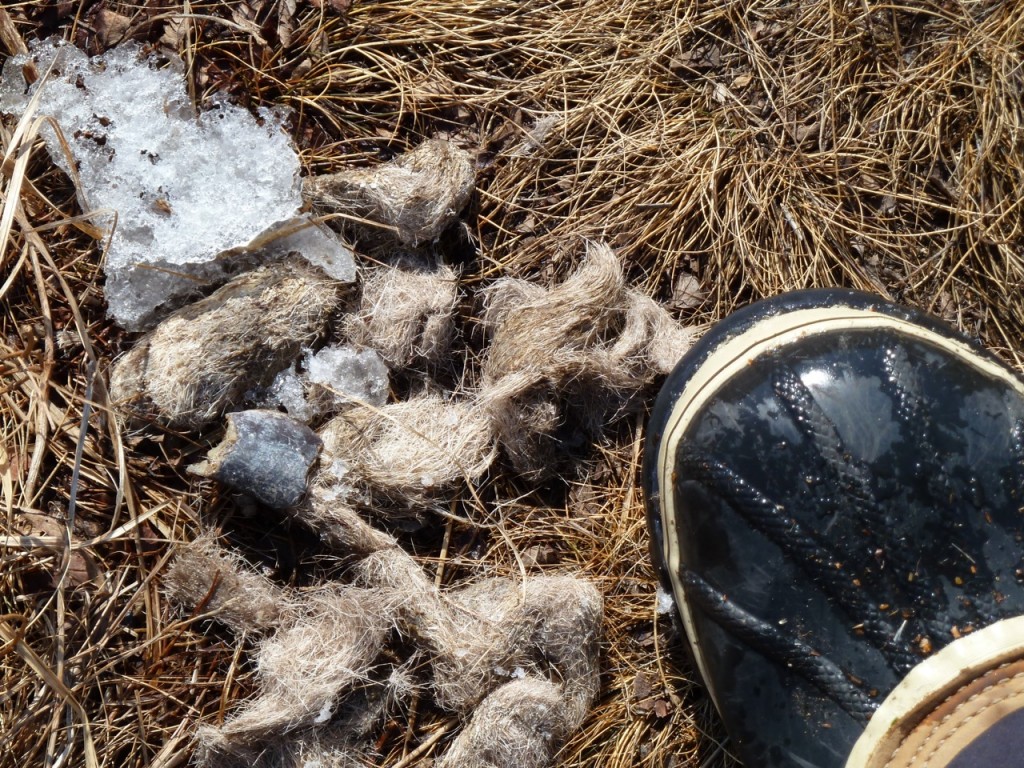 Siberian Tiger Quest"We came across this tiger scat on a ridge top while hiking back from one of Park's hides.Packed full of fur, the scat not only tells you that there was a cat here, but also what it was eating. 80-90% of tiger prey in this part of the world is elk, wild boar, sika deer, and roe deer. But they also eat some surprising animals - like brown bears! In one study, one male tiger ate more brown bears than anything else! Now that's one tough carnivore! I've worked with bears for many years, so this fact really stuck with me! Despite the varied menu, life here is very tough for tigers. The prey population density is very low, which means that the tiger density is too."Photo: Chris Morgan