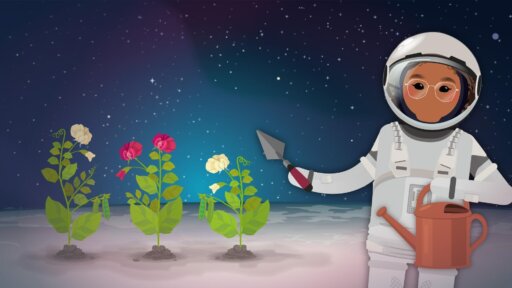
We’ve learned a lot about plants throughout this series, but there’s much more to discover. In this episode of Crash Course Botany, we’ll peek into the future of botany. We’ll consider current plant mysteries, bridges between Western science and traditional knowledge, and what it might ...
Whether in a desert, the savanna, or a tropical rainforest, plants have an important role in the ecological processes of Earth’s biomes. In this episode of Crash Course Botany, we’ll explore these different living locales, the effects of climate change on them, and how our ...
From the driest deserts to the lushest forests, ecosystems are networks of life where organisms and the environment interact. In this episode of Crash Course Botany, we’ll explore how plants function as the foundations of these systems, without which no other life on Earth would ...
The social dynamics of plants are as complex as those at any high school. By studying how plants interact — one-on-one, as a population, and in their communities — ecologists can figure out how to conserve our photosynthetic friends. In this episode of Crash Course ...
Humans love to play with their food—in fact, we’ve been doing it for thousands of years. In this episode of Crash Course Botany, we explore how we’ve learned to manipulate plant genetics, from breeding tastier fruits and veggies to directly editing plant genes that help ...
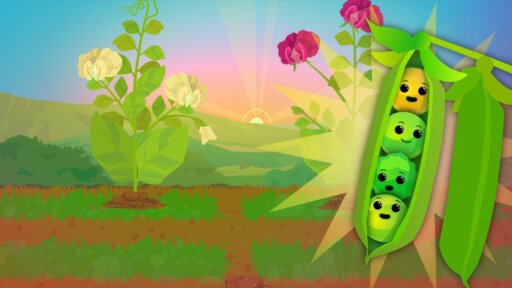
All of the different plants on Earth—from mango trees to marigolds—have come about thanks to the simple rules of genetic inheritance, which determine how traits are passed on from one generation to the next. In this episode of Crash Course Botany, we’ll explore the remarkable ...
You couldn’t go a day without interacting with gymnosperms and angiosperms, the two most prominent groups of plants on the planet. We rely on them for food, clothing, and shelter — but why are they so common? In this episode of Crash Course Botany, we’ll ...
Forget your favorite flowers, because we’re talking all about the mean green sporing machines. In this episode of Crash Course Botany, we dive into the first few branches of plants’ phylogenetic tree—bryophytes and seedless vascular plants, like mosses and ferns. These plants are the unsung ...