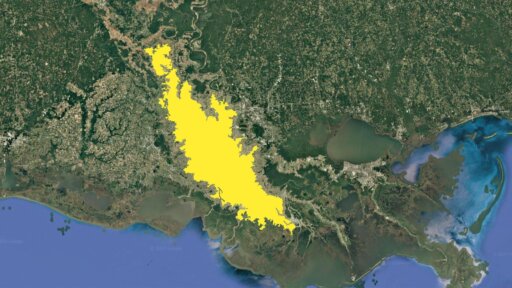
In the Atchafalaya Basin—the largest river swamp in the U.S.—ancient cypress trees act as natural barriers against hurricanes and extreme weather. Spanning a million acres, these nearly indestructible trees have protected Louisiana's coast for thousands of years. How does this million-acre ecosystem protect Louisiana’s communities, ...
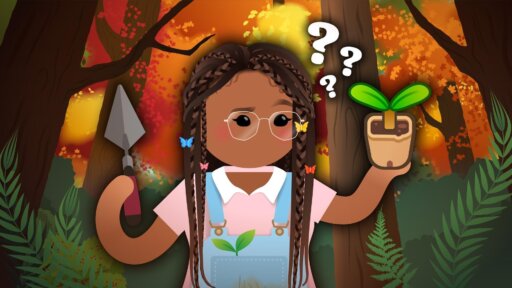
Whether in a desert, the savanna, or a tropical rainforest, plants have an important role in the ecological processes of Earth’s biomes. In this episode of Crash Course Botany, we’ll explore these different living locales, the effects of climate change on them, and how our ...
The social dynamics of plants are as complex as those at any high school. By studying how plants interact — one-on-one, as a population, and in their communities — ecologists can figure out how to conserve our photosynthetic friends. In this episode of Crash Course ...
Pando, Latin for 'I spread,' appears to be a forest but is actually one massive tree. Weighing 13 million pounds, Pando is one of the world’s largest living organisms. It has thrived in Utah's Fishlake National Forest, spreading across 106 acres with 47,000 stems. Find ...
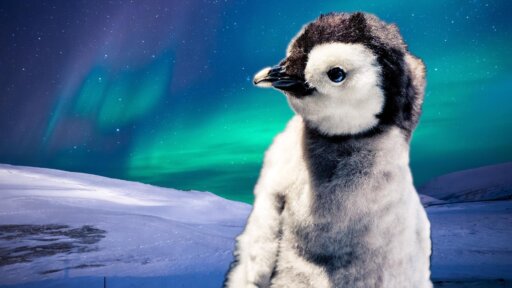
Penguins are fascinating creatures, not just because of their physical characteristics. They’re amazing at creating mental maps, can recognize each other’s calls, and hunt in a coordinated way. Penguins might not be the smartest animal on our list, but they’re pretty incredible in their own ...
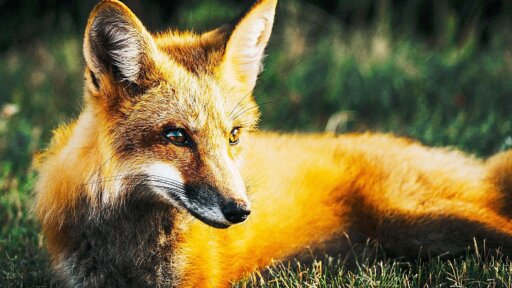
Foxes are described as “dog hardware running cat software.” These animals are incredible problem solvers, build extremely detailed mental maps of their environment, and can recognize individuals. Over the last 70 years, some foxes were selectively bred to be friendly to humans, and these descendants ...
The humble dog has been adapting and evolving alongside humanity since before we learned agriculture and how to make our own tools. This long history means dogs are incredible at human-canine interaction but is there a downside to this all human-focused adaptation? Hosts Natalia Borrego ...
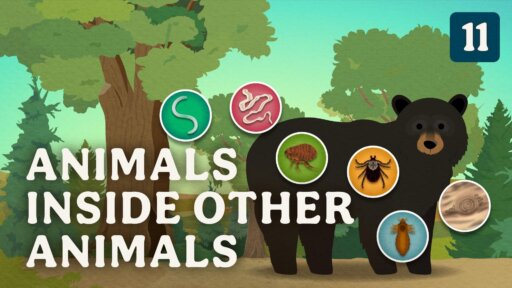
Nearly every environment on Earth — and that includes animals — is home to some kind of parasite. We explore parasites not just because they’re an essential part of their ecosystems, but also because by studying them we can learn more about their hosts and ...
This piece comes to us from the Wildlife Conservation Society (WCS). Views and opinions expressed in blog posts are those of the individuals expressing them and do not necessarily reflect those of THIRTEEN Productions LLC/The WNET Group. This month, the world’s governments, intergovernmental and international ...