


Opium poppies traditionally are white, but also come in a variety of colors such as red and purple. (Photo: AP) |
Papaver somniferum, one of the few species of poppy that produces opium, is an annual plant with a growth cycle of 120 days. Farmers plant seeds, which range in color from white to yellow to brown and gray, in shallow holes. Within six weeks a cabbage-like plant emerges. It takes eight weeks for the poppy plant to grow about one to two feet. Each poppy has one long primary stem with secondary stems called tillers. As the plant continues to grow, a bud develops at the tip. After 90 days, the bud blossoms into a flower with four petals in a variety of colors. The petals fall away to reveal a green pod or ghozah that will continue to grow to the size of an egg. Inside the pod is the ovary that produces opium. Opium, which contains over 50 types of alkaloids including codeine and morphine, is only produced during the ten to 12 day period when the pod is ripening. Once the pod reaches maturity, the alkaloids in the opium are no longer made.
Sources: US Department of Justice, “Opium: A History” by Martin Booth, “Unholy Wars” by John Cooley
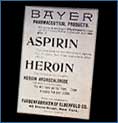
Photo: AP |
Heroin Fact
In 1803, a German pharmacist, F.W. Sertürner isolated the main alkaloid of opium and named it morphine after Morpheus, the Greek god of dreams. Morphine was soon widely used for medical purposes in Europe and the U.S. But by the end of the century, addiction to the drug had become a problem. In 1898, while searching for a non-addictive substitute for morphine, Heinrick Dresser, working at the Bayer Laboratory in Germany, developed diacetylmorphine. Bayer marketed it under the brand name Heroin. The new drug, however, turned out to be up to ten times more potent than morphine.
- Previous: Introduction
- Next: Step 2: Harvesting Opium
