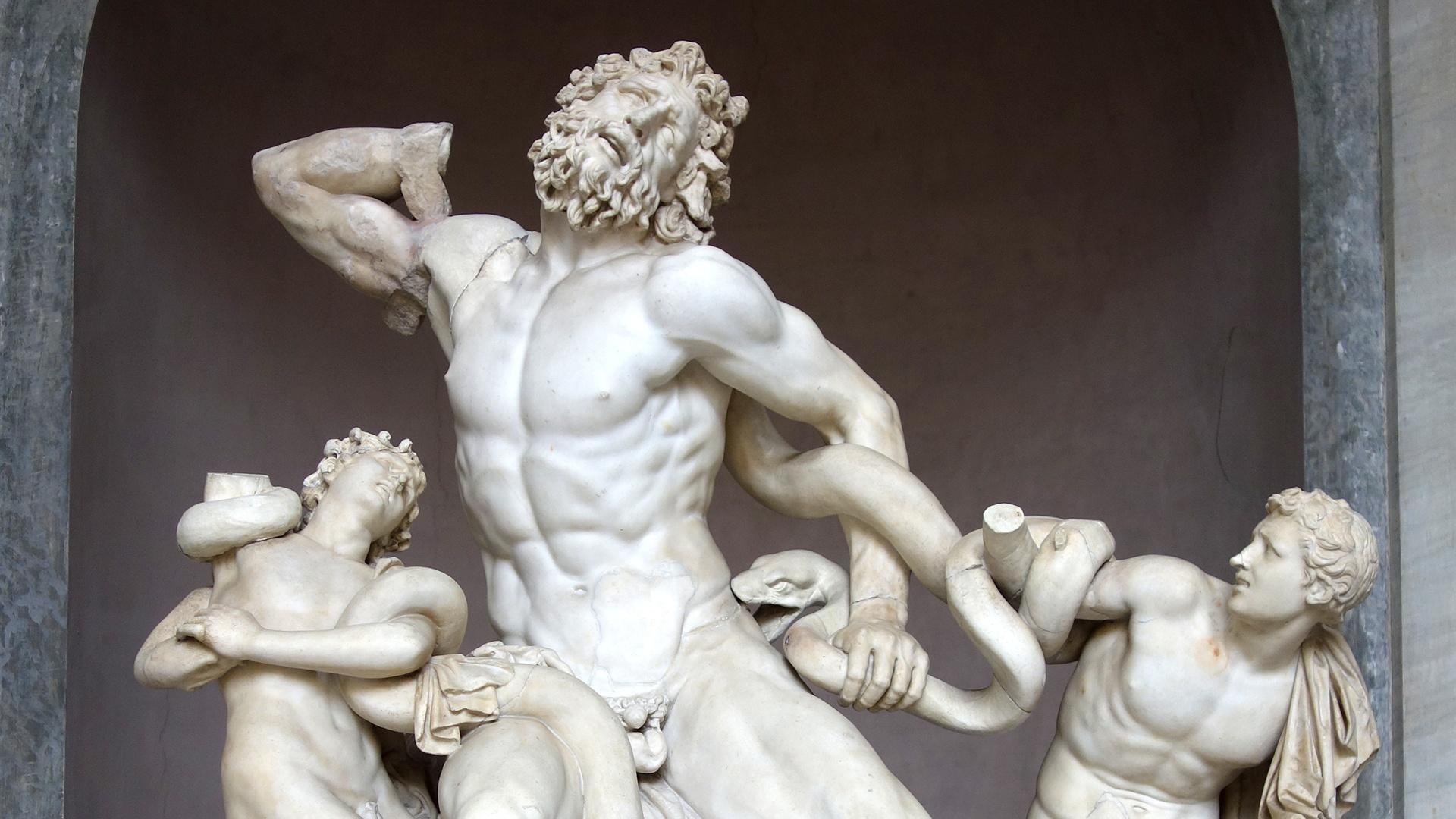
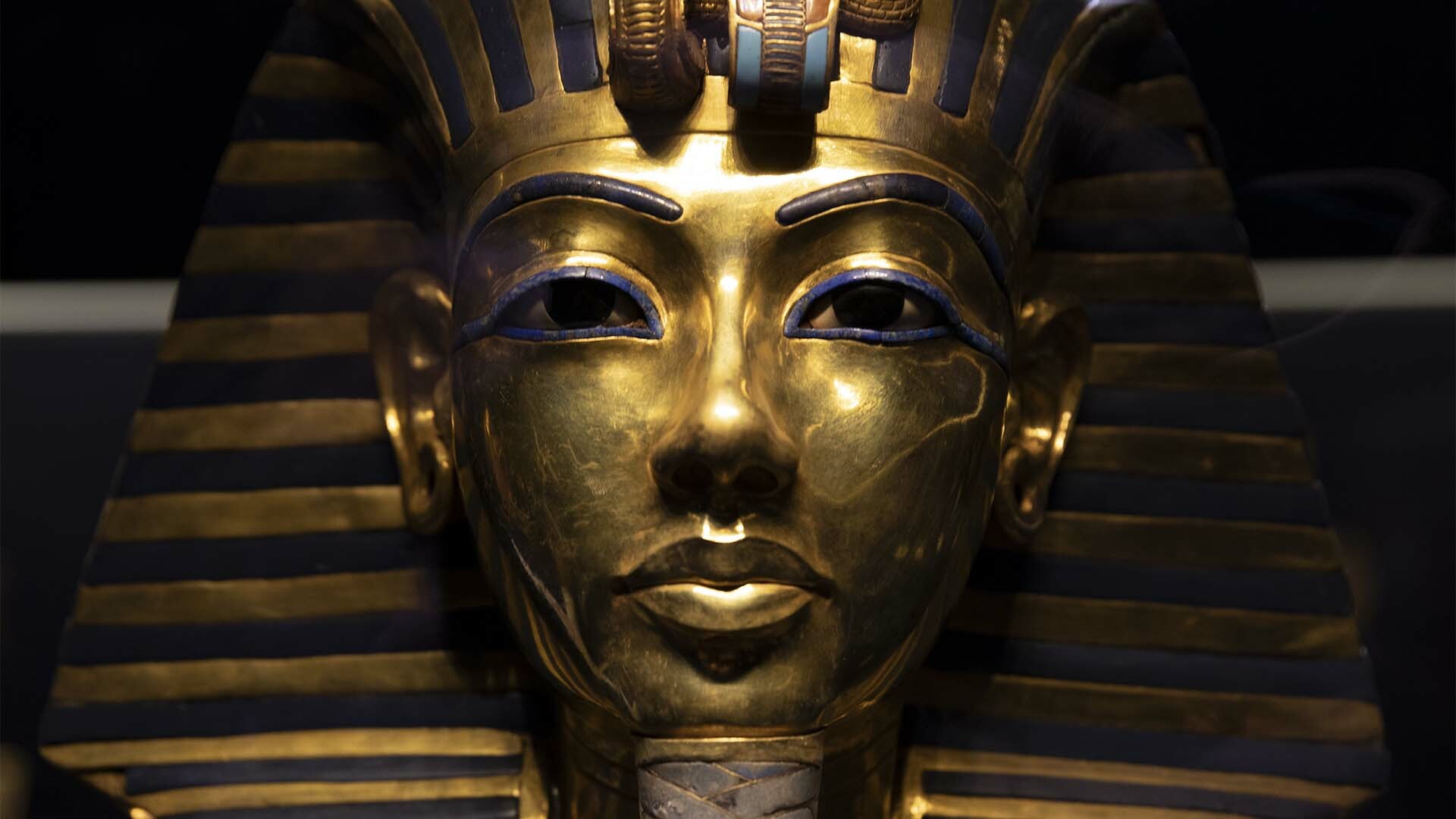
Go back in time to ancient Egypt. Thousands of years, in fact. Their influence on modern life can be seen in our language, art, engineering, and more. Gain a new appreciation for ancient Egyptian civilization and the Egyptian Empire with this collection of documentaries and short programs.
Editor’s Note: This page provides information about a variety of PBS shows and documentaries you can watch. It is being updated regularly, as new programs become available or are no longer available to stream on PBS.org or the PBS App.
Ancient Egypt
The Nile river gave rise to the one of the greatest civilizations. Ancient Egyptians left behind numerous treasures that we continue to learn about. The massive pyramids that contain lavish tombs for their rulers (pharoahs and queens) are still standing. The Rosetta Stone was one of the first tools historians had to understand the heiroglyphs it bore. It is believed that ancient Egyptians invented toothpaste, cosmetic makeup (hello kohl eyeliner!), clocks, surgical instruments, and wigs. They also invented many of the mathematics concepts we learn and use today. Just think about all the geometry that went into building the pyramids in Giza.
It is estimated that settlers along the Nile River in present-day Egypt created small villages as early as 6000 BCE. The villages clustered into Upper Egypt and Lower Egypt until the first recorded pharoah, or king, of Egypt united the two lands circa 3100 BCE. Pharoahs were considered gods and they ruled the Egyptian Empire during years of massive growth and innovation. The Egyptian empire was conquered by Alexander the Great, then ruled by Greek pharoahs. Queen Cleopatra, the last Egyptian ruler, lost a war to Roman ruler Octavian in 30 BCE.
Explore Ancient Egypt with NOVA is a great resource to start learning more about Egypt or to help you write that paper for school.
Ancient Egyptian Mega Tomb Mystery
Secrets of the Dead explores the discovery of a rare mass grave with the bones of nearly 60 people outside Luxor. Archaeologists are on a quest to find out who the remains belong to, why they were buried the way they were and what was happening in ancient Egypt that would have led to a mass burial. Could the collapse of the empire’s Old Kingdom provide any clues?
Egypt’s Tombs of Amun
From NOVA:
Follow archaeologists as they discover a long lost ancient cemetery in Egypt’s sacred desert. Treasures emerge unlike anything seen by the team, revealing details of a unique period, when women had extraordinary power.
In this clip, go beneath the sand and mud bricks of Egypt, where a sealed tomb reveals its secrets for the first time in centuries. As archaeologists carefully break through the entrance, they uncover an unusual vase that doesn’t resemble any known Egyptian artifact - but the most breathtaking discovery is a never-before-seen sculpture.
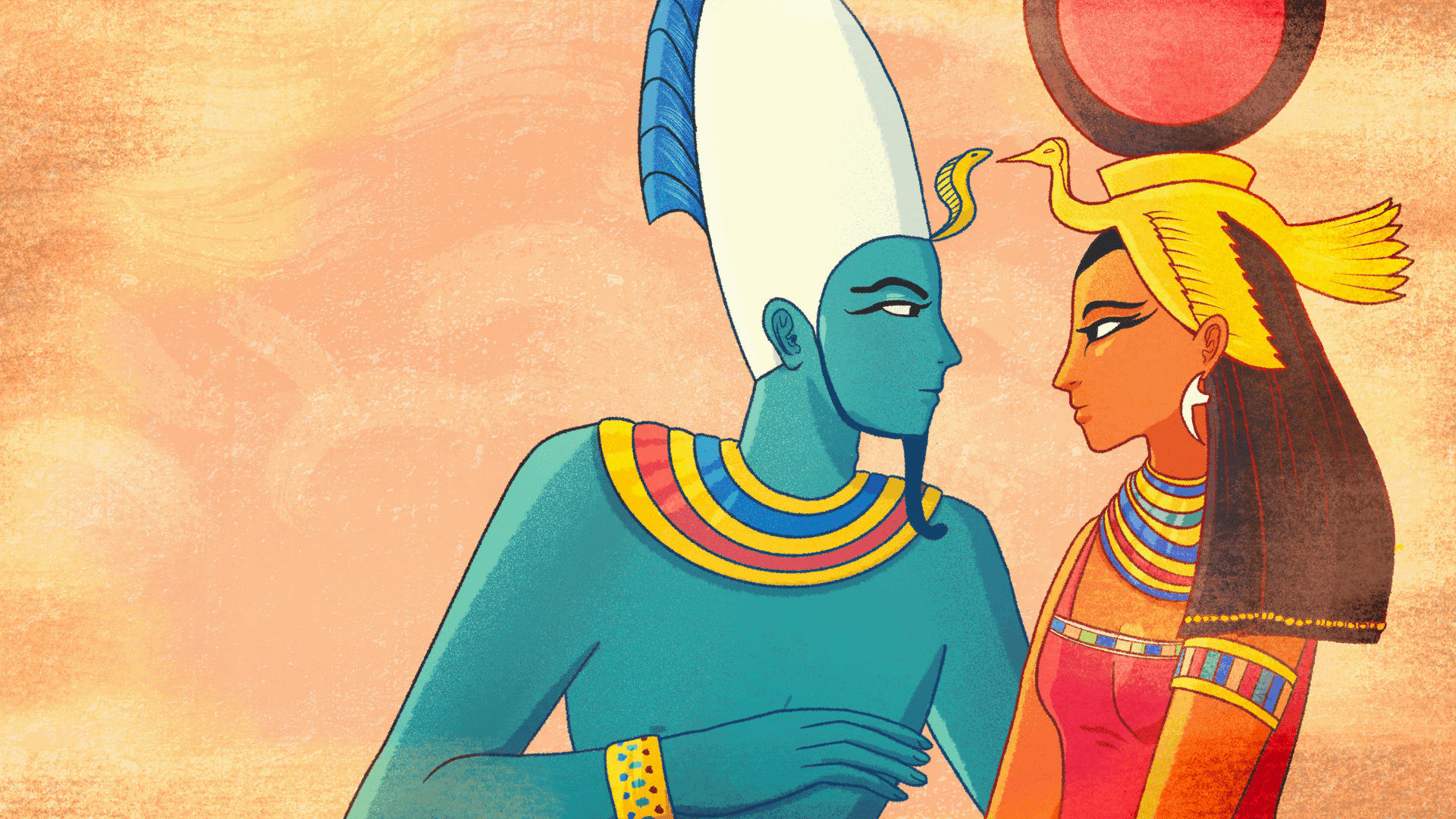
Tutankhamun: Allies & Enemies
This film marks the 100th anniversary of the discovery of King Tutankhamun’s tomb and is a journey of exploration for Egyptian co-hosts Yasmin El Shazly and Mahmoud Rashad into the mysteries and unanswered questions about the boy king’s life, his infamous father’s religious revolution, and those advising him as he takes the throne in one of the most tumultuous periods of Egyptian history. You can watch the entire documentary with Passport.
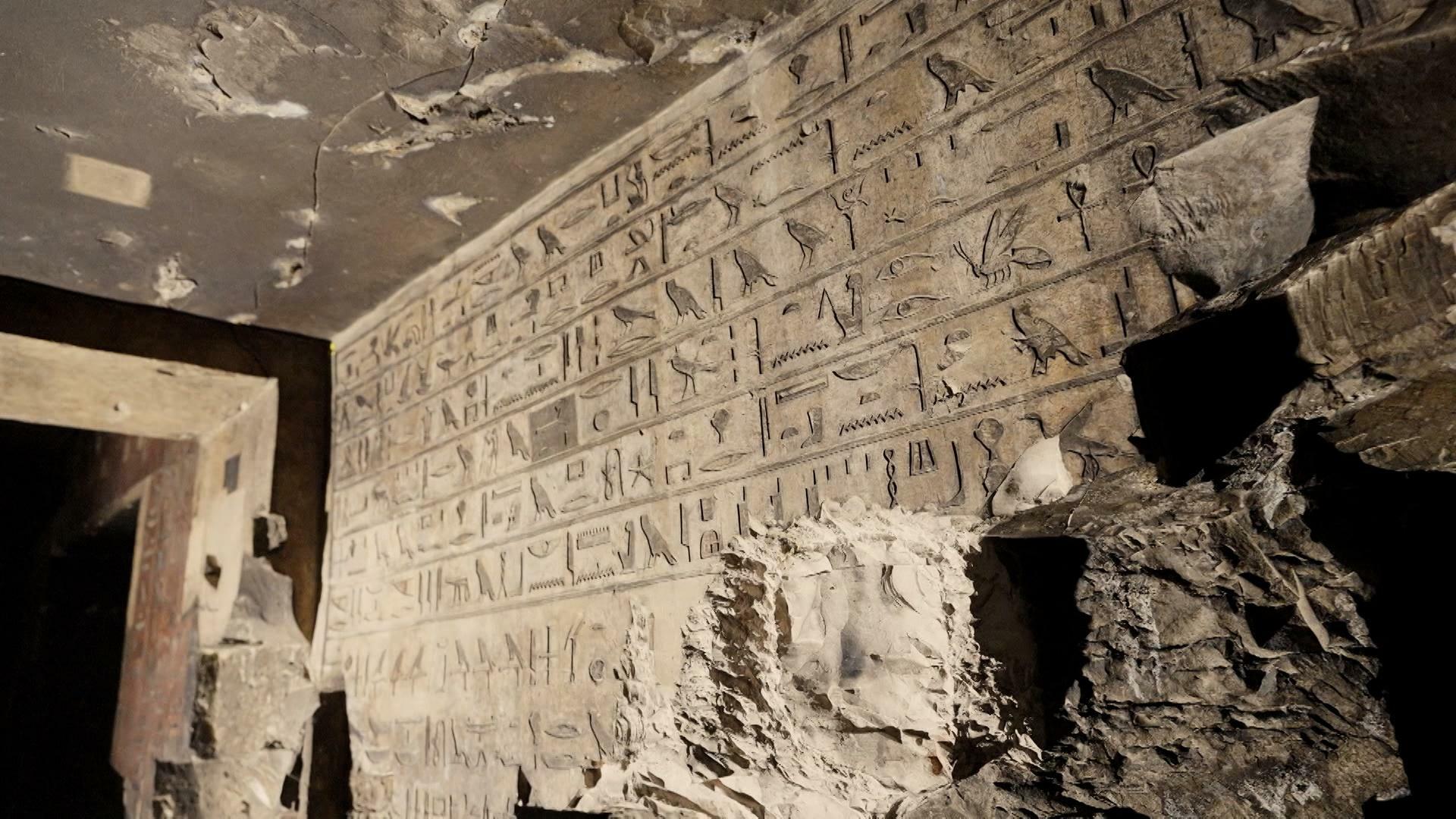
In this clip, Yasmin and Rashad tour Ay’s tomb in the Valley of the Monkeys with Egyptologist Dr. Tarek Tawfik in an attempt to find out if the tomb really belonged to Ay, Tutankhamun’s advisor, or if it belonged to Tutankhamun himself. Ay succeeded Tutankhamun after the Boy King suddenly died. Why was Tutankhamun buried in a small tomb unlike all the other pharaohs buried in the Valley of the Kings?
Who Built the Pyramids?
From Digital Studios’ Be Smart: When the pyramids were built, the ancient Egyptians hadn’t invented the wheel, developed bronze tools, or discovered pi. How were they able to stack two million stone blocks, each weighing more than two tons, into precise geometric alignments that would survive more than 4,000 years and capture the imaginations of explorers throughout history?
After you watch this explanation of who built the pyramids, check out The INCREDIBLE Ancient Engineering That Built the Pyramids next!
Support your local PBS station in our mission to inspire, enrich, and educate.
Egyptian Royal Chariots
The vehicle of choice for Pharoahs was a royal chariot. While riding this feat of advanced engineering (we’re talking anti-roll balls, shock absorption, and rear-view mirrors) ancient Egyptians would sometimes battle. Here are two videos from NOVA’s “Building Pharoah’s Chariot” featuring information on the Egyptian armor that was worn and an example of the weapons used when holding the reins.
Add to Your Watchlist
The best of PBS, straight to your inbox.
Be the first to know about what to watch, exclusive previews, and updates from PBS.
How Egyptian Hieroglyphs Influenced Modern Alphabets
From NOVA: Almost all the letters of the Latin alphabet are derived from the hieroglyphs that the Canaanites of Serabit chose to represent the sounds of their tongue.