Celebrate Black History Month this year with a closer look at the lives of various Black Americans who have made indelible marks on history with their artistry, professional achievements, and community activism. We’ve compiled a list of films premiering this month, as well as programs available to stream in February.
You can find a bigger list of shows and documentaries to stream this Black History Month here.
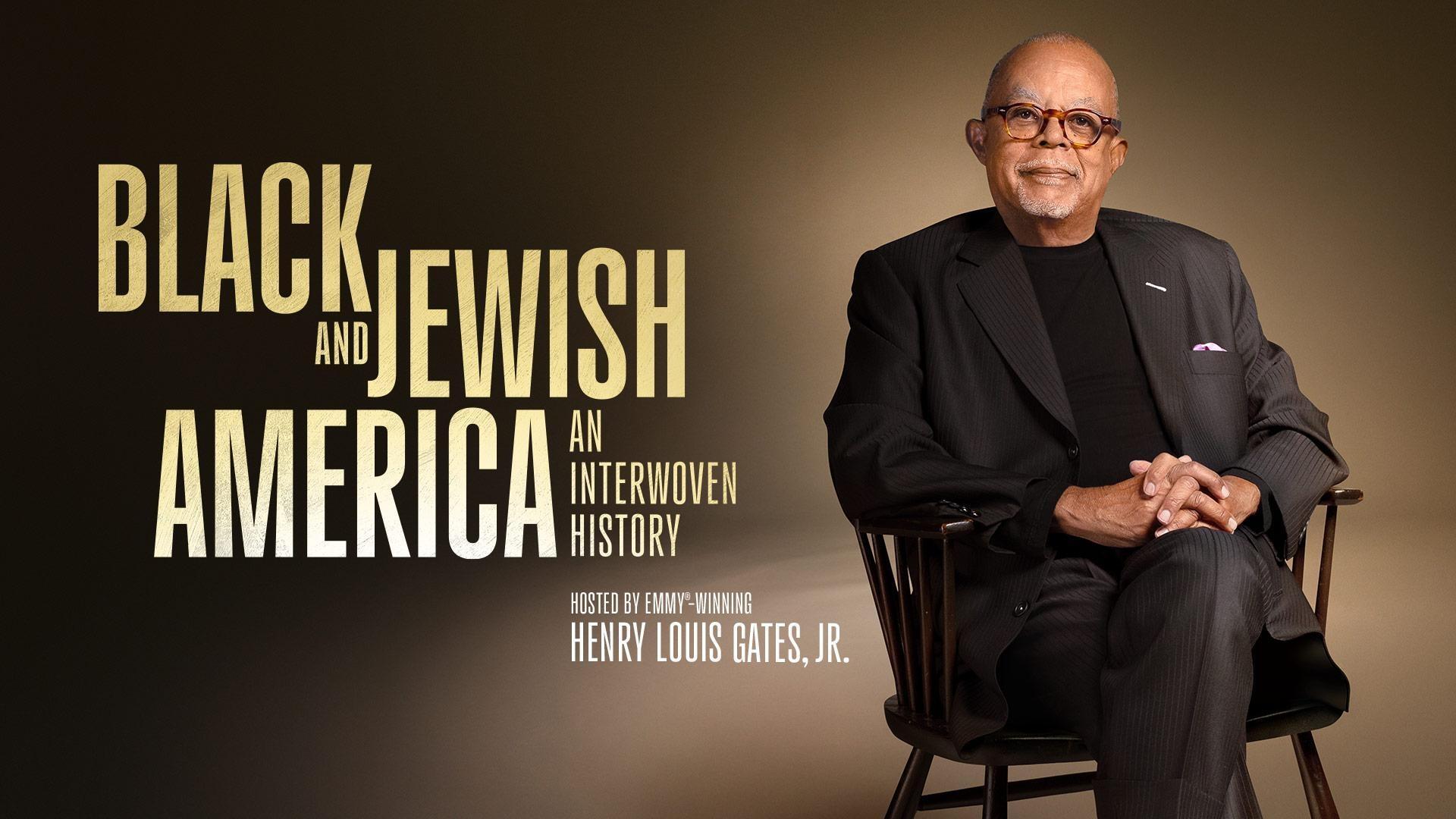
Black and Jewish America: An Interwoven History
Premieres February 3rd, 2026
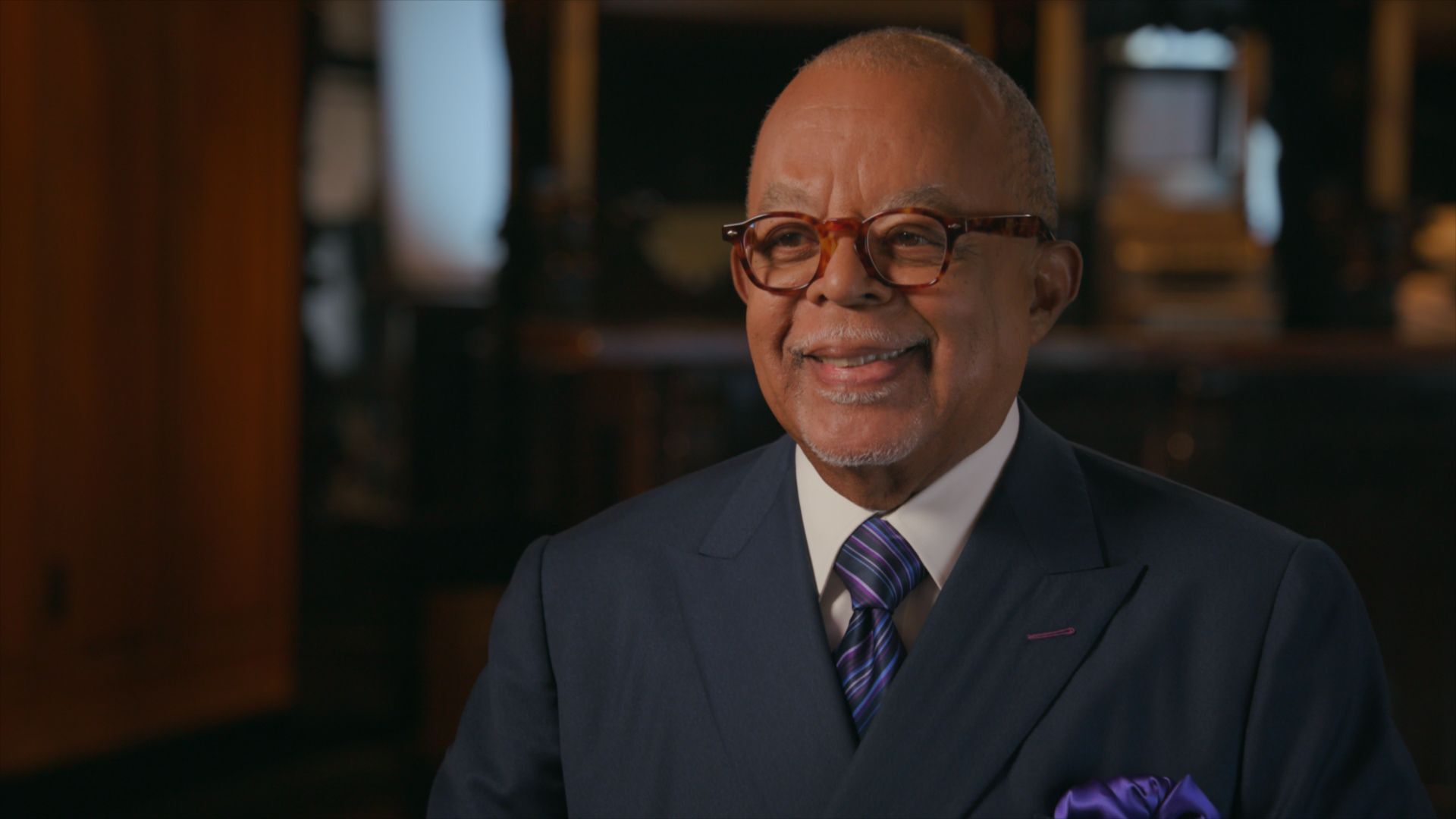
From Professor Henry Louis Gates, Jr., “Black and Jewish America: An Interwoven History” is a four-part series tracing the rich, complex relationship between Black and Jewish Americans — defined by solidarity and strained by division. Drawn together by racism and antisemitism, they forged civic and cultural bonds, especially during the civil rights era. The series explores both the challenges and enduring promise of that alliance.
Becoming Thurgood: America’s Social Architect
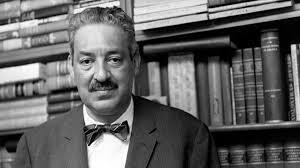
“Becoming Thurgood: America’s Social Architect” explores the life and legacy of the nation’s first African American Supreme Court justice. The film follows Justice Thurgood Marshall, known as “Mr. Civil Rights,” from his legal career with the NAACP to his 1967 appointment to the nation’s highest court.
The PBS ‘Black Culture Connection’ Newsletter
Celebrate Black history all year round with PBS Black Culture Connection. We’ll connect you with films, timely discussions, live events and educational resources.
American Coup: Wilmington 1898 | American Experience
“American Coup: Wilmington 1898″ tells the little-known story of a deadly race massacre and carefully orchestrated insurrection in North Carolina’s largest city in 1898. Stoking fears of “Negro Rule,” self-described white supremacists used intimidation and violence to destroy Black political and economic power and overthrow Wilmington’s democratically-elected, multi-racial government.
Roberta Flack | American Masters
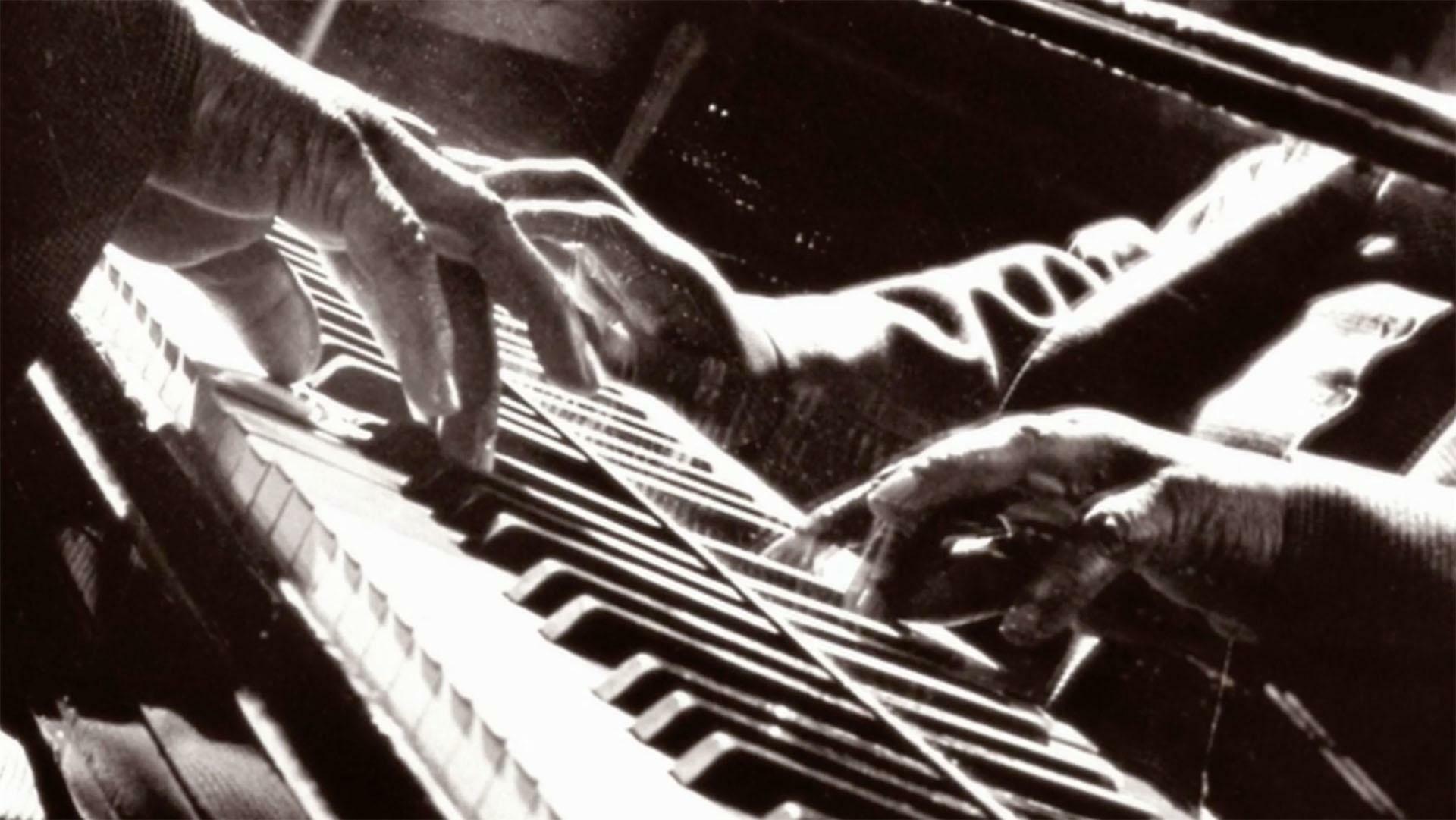
Follow music icon Roberta Flack from a piano lounge through her rise to stardom. From “The First Time Ever I Saw Your Face” to “Killing Me Softly,” Flack’s virtuosity was inseparable from her commitment to civil rights. Detailing her story in her own words, the film features exclusive access to Flack’s archives and interviews with Rev. Jesse Jackson, Peabo Bryson and more.
Support your local PBS station in our mission to inspire, enrich, and educate.
Fight the Power: How Hip Hop Changed the World
“Fight the Power: How Hip Hop Changed the World” is an incredible narrative of struggle, triumph and resistance that will be brought to life through the lens of an art form that has chronicled the emotions, experiences and expressions of Black and Brown communities: Hip Hop. In the aftermath of America’s racial and political reckoning in 2020, the perspectives and stories shared in Hip Hop are key to understanding injustice in the U.S. over the last half-century.
Bike Vessel | Independent Lens
Knowing his dad miraculously recovered from three open-heart surgeries after discovering a passion for cycling, in “Bike Vessel,” filmmaker Eric D. Seals proposes an ambitious idea: Bike together from St. Louis to Chicago. 350 miles. 4 days. On their journey, the two push each other as they find a deeper connection and a renewed appreciation of their quests for their own health and to reimagine Black health.
Great Migrations: A People on the Move
“Great Migrations: A People on the Move” explores the transformative impact of Black migration on American culture and society. From the waves of Black Americans to the North — and back South — over the last century to the growing number of immigrants from Africa and the Caribbean today, the film shows how movement is a defining feature of the Black experience.
Purlie Victorious | Great Performances
The comedic play, “Purlie Victorious,” tells the story of a Black preacher’s scheme to reclaim his inheritance and win back his church from a plantation owner.
The Disappearance of Miss Scott | American Masters
In “The Disappearance of Miss Scott” from “American Masters”, learn about jazz virtuoso and screen superstar Hazel Scott, the first Black American to have their own television show. An early civil rights pioneer, she faced down the Red Scare at the risk of losing her career and was a champion for equality. The film features interviews with Mickey Guyton, Tracie Thoms, Amanda Seales, and Sheryl Lee Ralph as the voice of Hazel Scott.
Neptune Frost and Tsutue | AfroPoP: The Ultimate Cultural Exchange
“Neptune Frost and Tsutue” is a double presentation of two performances from the series “AfroPoP: The Ultimate Cultural Exchange.” In Neptune Frost, Neptune and Matalusa challenge the authoritarian regime in this Afrofuturist romantic musical. And Tsutsue follows two boys coping with the death of their brother in a Ghanaian town situated by an oceanside landfill.
Brief Tender Light | POV
In “Brief Tender Light,” a Ghanaian MIT alum follows four African students at his alma mater as they strive to become agents of change for their home countries Nigeria, Rwanda, Tanzania, and Zimbabwe. Over an intimate, nearly decade-long journey, all must decide how much of America to absorb, how much of Africa to hold on to, and how to reconcile teenage ideals with the truths they discover about the world and themselves.
Forgotten Genius | NOVA
The grandson of Alabama slaves, Percy Julian met with every possible barrier in a deeply segregated America. He was a man of genius, devotion, and determination. As a black man he was also an outsider, fighting to make a place for himself in a profession and country divided by bigotry—a man who would eventually find freedom in the laboratory.
Stream “Forgotten Genius” on PBS.org and the PBS app.
Who is Carter G. Woodson?
Known as the “Father of Black History,” he was an author and historian who helped found Black History Month.
Woodson was born in 1875 near New Canton, Virginia. As a young boy he decided he would pursue a college education, even if school often came second to working on his family’s farm.
Woodson later worked as a coal miner while pursuing studies on the side. He went on to be a teacher and school principal before earning his Bachelors degree from the University of Chicago. In 1912, he received his Ph.D. from Harvard University. It was that same year when he helped form the Association for the Study of African American Life and History (ASALH).
Woodson urged civic organizations and schools to promote the achievements of Black researchers and to devote time to studying Black history. In February of 1926 he announced Negro History Week. Schools and communities answered the call with large convivial gatherings and from then on ASALH would establish an annual theme, providing study materials and information to participating organizations.
By the 1960s, the week of study Woodson had first envisioned had turned into Black History Month celebrations each February and ASALH continues to provide education and guidance for each year’s celebrations.
Black Music History Spotlight
Mahalia Jackson, Queen of Gospel
MC Sha-Rock, Mother of the Mic
Sissieretta Jones, Worldwide Opera Star
Sister Rosetta Tharpe, Godmother of Rock ‘n’ Roll
Editor’s note: This article was originally published on February 1st, 2022. It was most recently updated on February 2nd, 2026 to reflect new show listings and remove shows that are no longer available.
Explore more Black Culture Connection stories