About this Guide
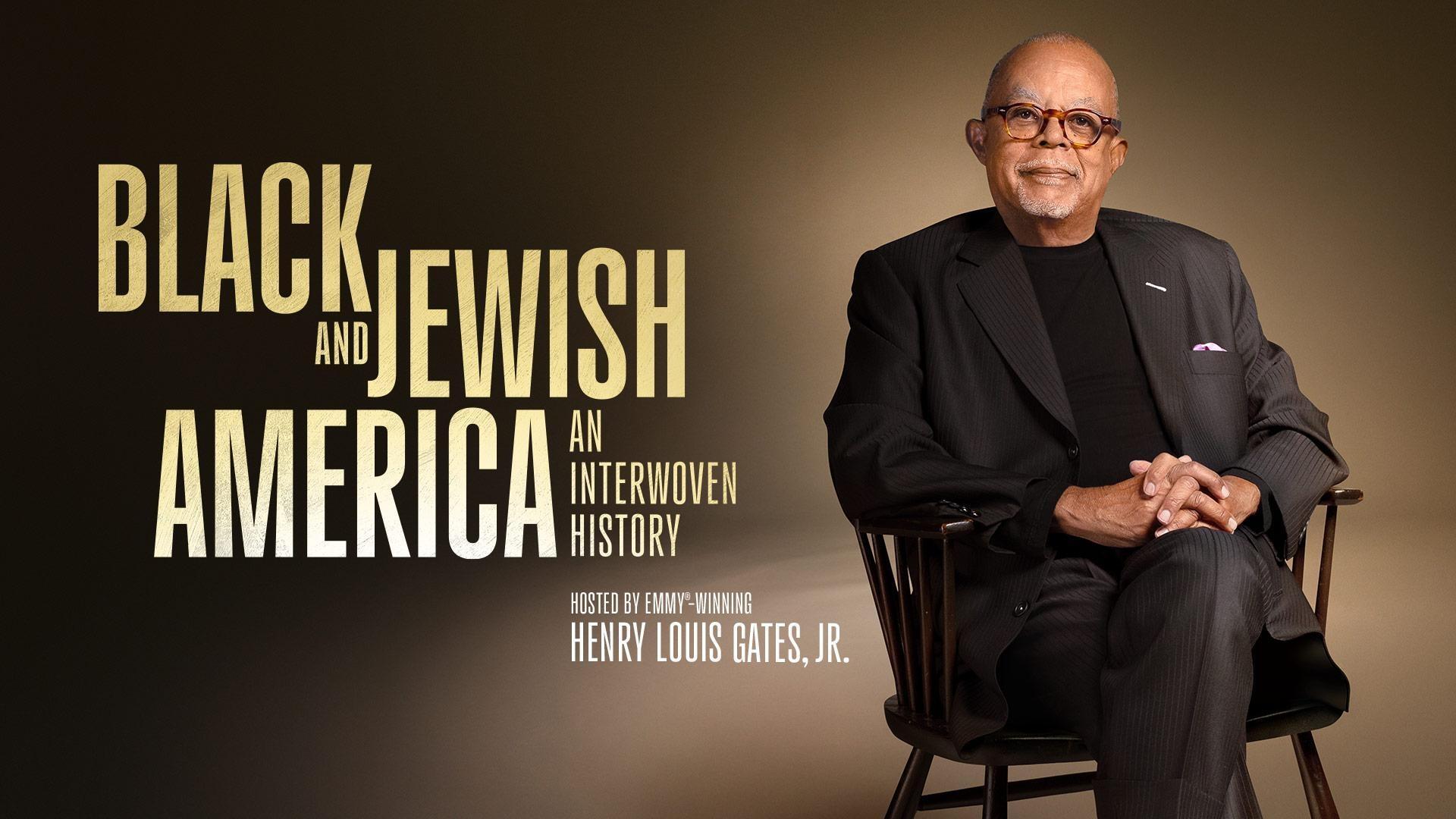
Black and Jewish America: An Interwoven History is a four-part series from acclaimed scholar Henry Louis Gates, Jr., exploring the rich, complex relationship between Black Americans and Jewish Americans throughout our country’s history. It is a kinship defined by powerful moments of solidarity and painful episodes of division.
The goal of this guide is to help you facilitate conversations and create engagement opportunities around Black and Jewish America: An Interwoven History.
This guide will point you to resources, partners and suggestions that allow you to create the engagement opportunities that truly connect, invigorate and inspire your communities. The docuseries gives communities an opportunity to participate in a national conversation about American history, civil rights, the arts, society, and Black and Jewish culture in the United States. This guide has tools to help public media stations plan events, spark conversation, share untold stories, and connect communities.
Discussion Questions
This section is divided into themes and serves as a springboard for discussion around the available screening reel for Black and Jewish America.
Feel free to use these questions to initiate meaningful dialogue, or create new questions that connect directly with your own community. Please share questions with panelists and speakers ahead of time to allow them to prepare, particularly taking into account the historical background necessary to properly discuss these topics.
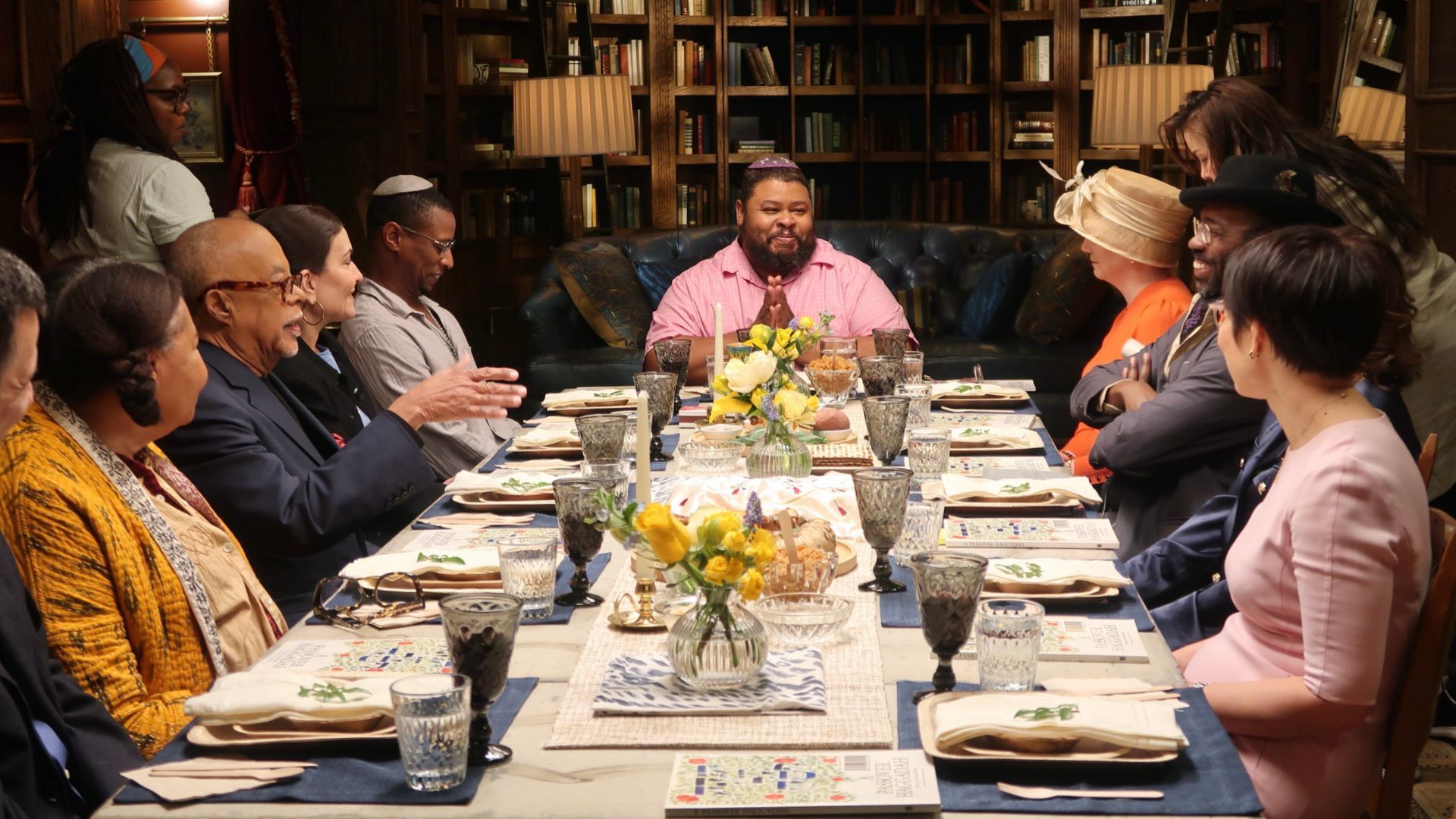
Mutual Recognition and Kinship
- Dr. Gates says that, “antisemitism is not the same as anti-Black racism, but both are ever present.” What does he mean by this?
- What led Jewish Americans to become allies in the early Civil Rights Movement?
- In the years leading up to the founding of the NAACP, both Black and Jewish Americans went through severe hardships. What similarities or shared experiences strengthened their alliance and helped form the NAACP?
- What roles did Jewish allies play in the founding and early leadership of the NAACP?
- What challenges might arise in multiracial or interfaith coalitions like the NAACP?
- Why is it important to recognize both cooperation and disagreement in historical alliances?
- How can allies support justice without overshadowing the voices of those most impacted?
- What responsibilities come with participating in a coalition across racial or religious lines?
- Do you think multiracial coalitions are more effective than single-group movements? Why or why not?
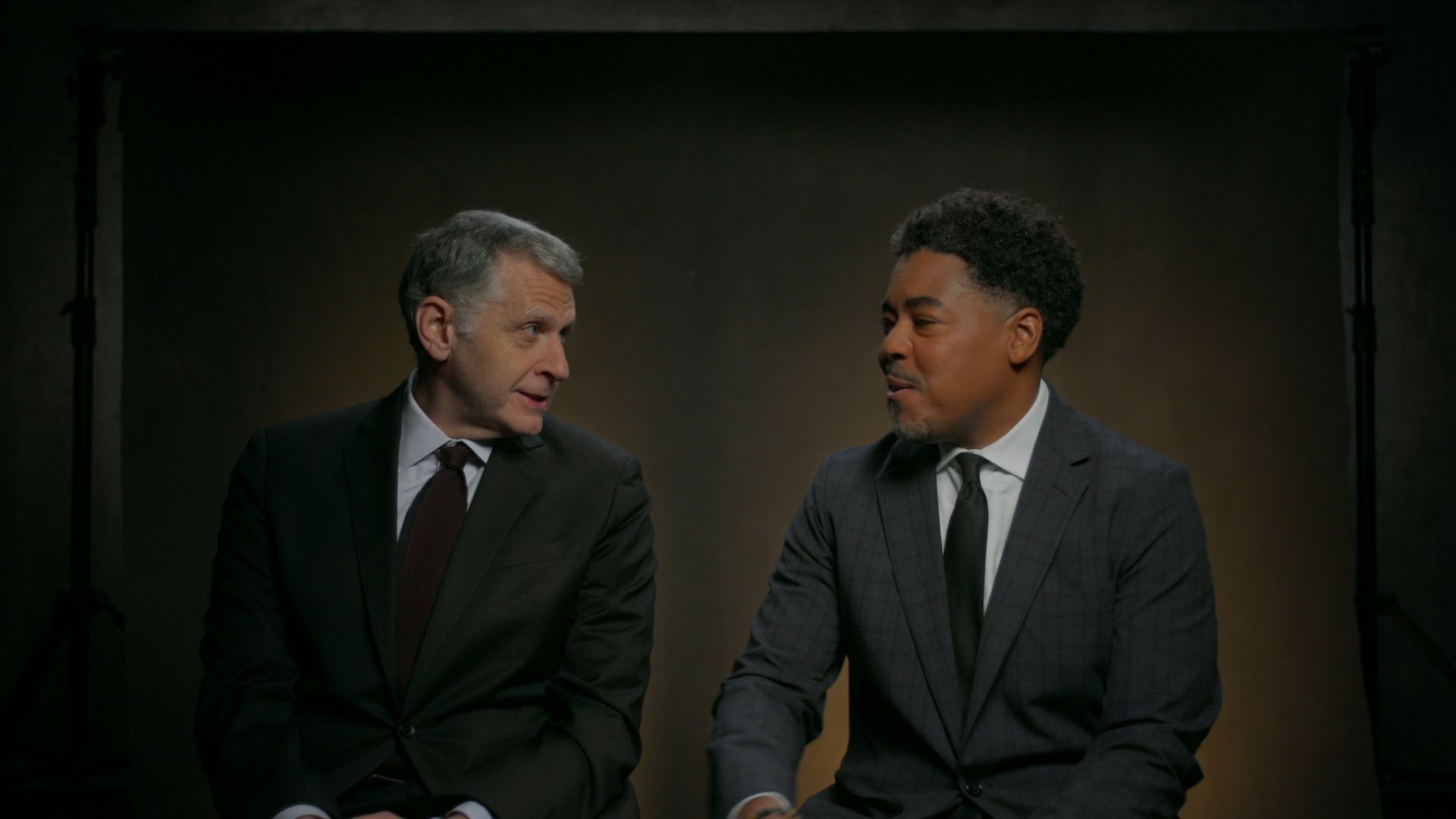
Post World War II Opportunity and Inequality
- What economic and social opportunities became available to Americans after World War II, and how did access to those opportunities differ between Black Americans and Jewish Americans?
- How did the GI Bill shape postwar social mobility, and how did its implementation differ for Jewish veterans and Black veterans?
- What was Levittown, and why is it often described as a symbol of the American Dream?
- How did government policy, private developers, and banks work together to shape who could buy homes in Levittown?
- How did housing access affect long-term outcomes such as education, wealth accumulation, and community stability?
- Why is it important to distinguish between individual prejudice and systemic or structural discrimination?
- Following WWII, in what ways did Jewish and Black Americans share experiences of discrimination, and where did their experiences diverge?
- How do post-WWII housing policies continue to shape neighborhoods and wealth today?
- How can understanding places like Levittowns help communities have more honest conversations about inequality now?
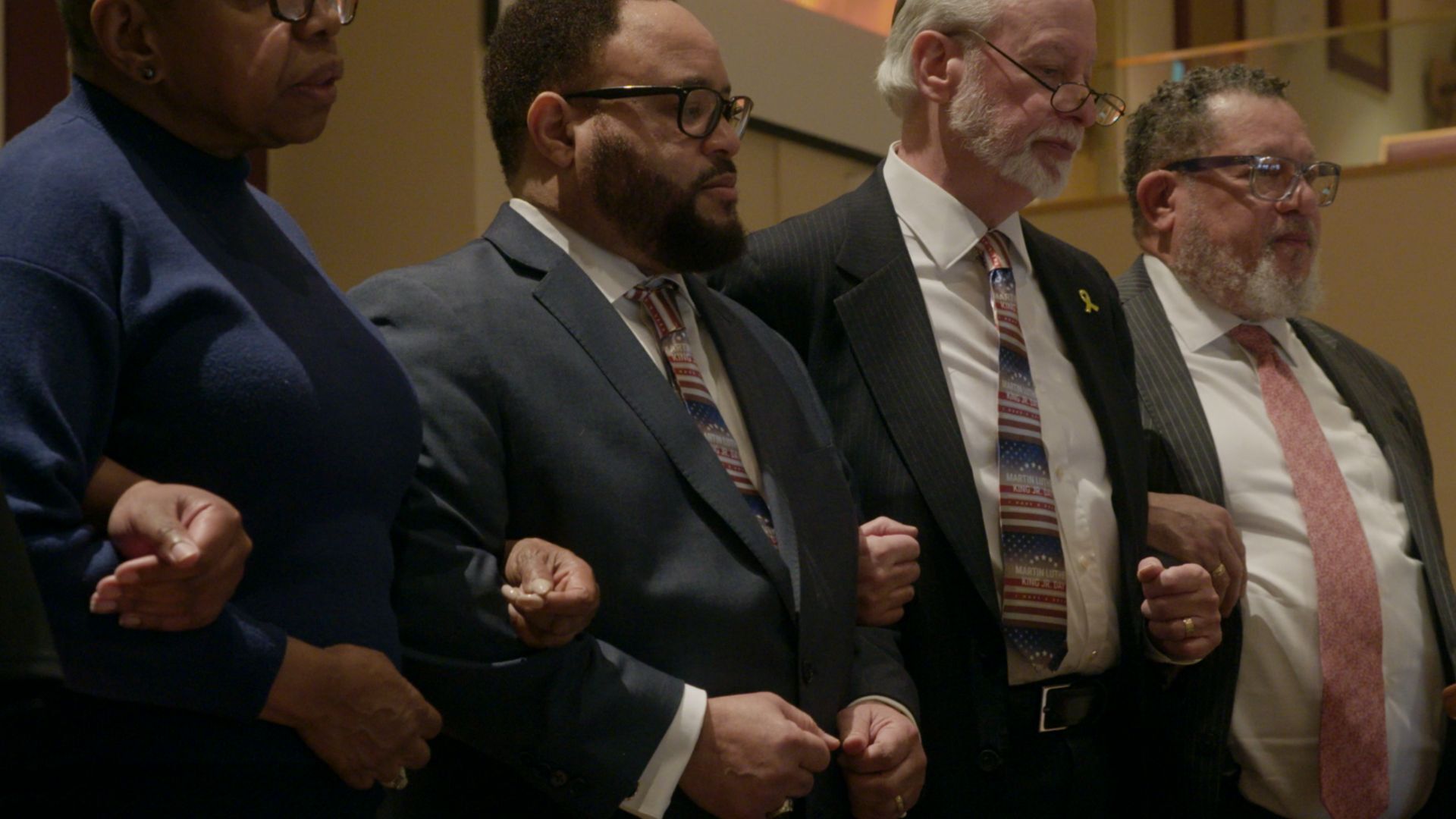
Desegregation, Backlash, and Moral Alliance
- What did Brown v. Board of Education promise, and why was it such a powerful challenge to segregation?
- Why did school desegregation provoke such intense resistance, even outside the South?
- In what ways were Jewish individuals, institutions, and synagogues targeted alongside Black communities during desegregation efforts?
- What risks did Jewish allies face, and how were those risks different from—and connected to—Black experiences?
- What is the “Grand Alliance” and what strengths did this collaboration bring to the civil rights struggle?
- What are the benefits of the Grand Alliance between African Americans and Jewish Americans?
- How did Rabbi Abraham Joshua Heschel understand civil rights as a moral and spiritual obligation?
- What did the public partnership between Martin Luther King, Jr. and Rabbi Heschel symbolize to supporters of civil rights?
- What can today’s movements learn from the alliance between King and Heschel?
- How do we build alliances that are honest about differences in power while remaining committed to justice?
- What responsibilities do allies have when standing against hatred and discrimination?
- How should communities respond when progress toward justice provokes backlash?
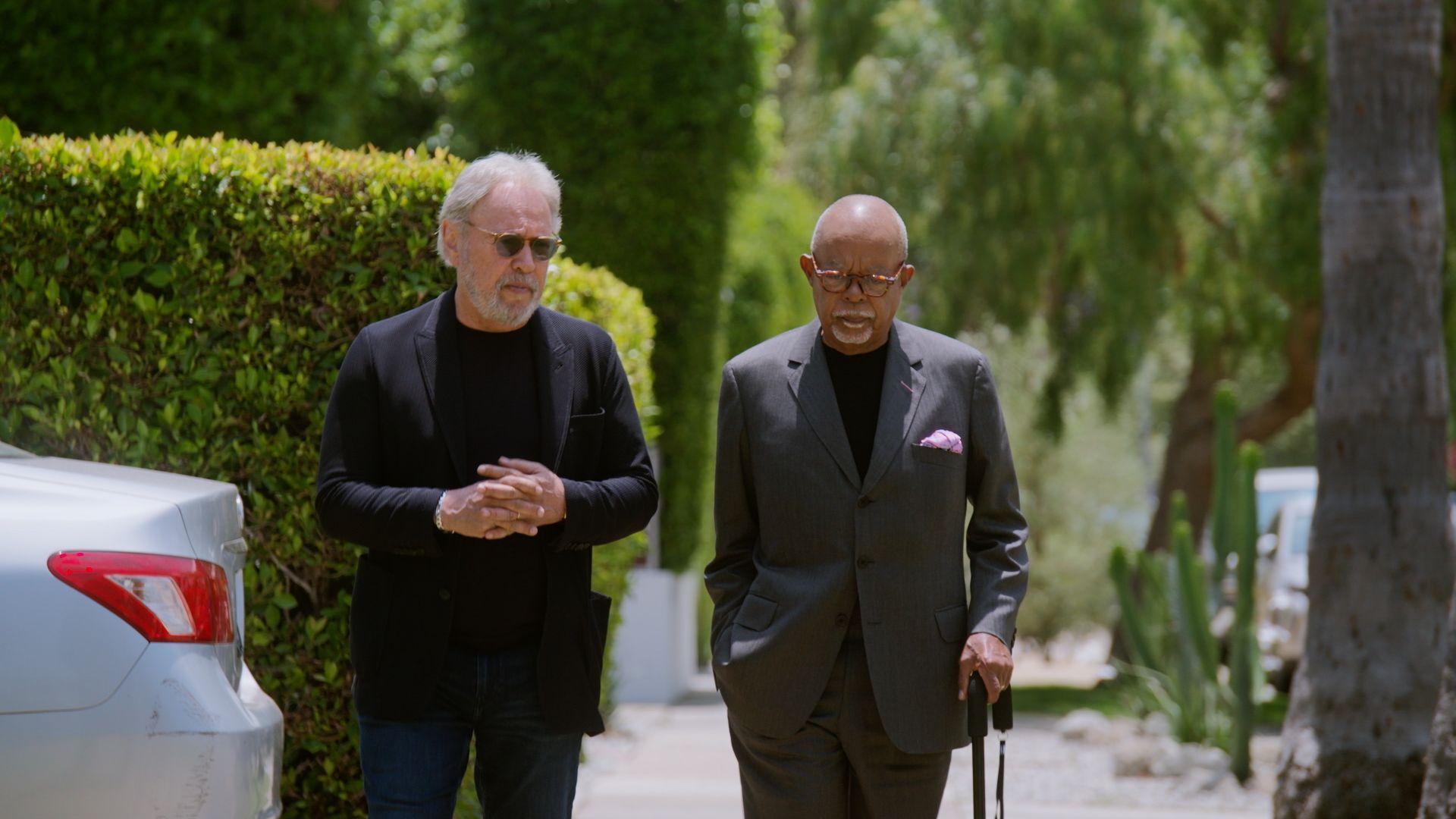
Global Politics, Moral Tension, and Today
- Who were Andrew Young and Jesse Jackson, and why were they influential figures in Black American political life during the late 1970s and 1980s?
- How did the Civil Rights Movement shape Black leaders’ views on global struggles for freedom and self-determination?
- What led UN Ambassador Andrew Young to meet with representatives of the PLO? Why did this meeting create intense concern and backlash within Jewish communities in the United States?
- How and why do words and language matter differently when spoken by national leaders?
- How did the controversial acts of Ambassador Young and Jessie Jackson test the Black and Jewish “Grand Alliance” that had formed during the civil rights era?
- What responsibilities do leaders have when engaging in international conflicts that deeply affect allied communities?
- Is it important to begin conversations about October 7th and the Gaza war by acknowledging grief, fear, and loss on all sides?
- In what ways have October 7th and the Gaza war strained Black and Jewish relationships in the U.S.?
- How should movements for justice respond when solidarity in one context creates pain in another?
- How can Black and Jewish communities hold space for disagreement without abandoning dialogue?
- What does repairing or sustaining alliances require after moments of deep misunderstanding?
- How do we stay in relationship with one another when history, identity, and global politics pull us apart?
Stills From The Series


How To Watch
Stream Black and Jewish America: An Interwoven History on pbs.org and the PBS App.
“This is a deeply personal subject for me. It’s connected to my own coming of age during the heroic days of the civil rights struggle and is an urgent response to the violent forces I’ve seen reawakened in our society over the last decade. By tracing the long arc of Black and Jewish history in America, I hope we can see each other more clearly, more honestly, and find hope in our mutual stories of survival, resilience, and solidarity. But this series is not only about the past. It is about us—and how, together, we can prevail over the forces of hatred that seek to divide us.” - Henry Louis Gates, Jr.
About the Series

The PBS ‘Black Culture Connection’ Newsletter
Celebrate Black history all year round with PBS Black Culture Connection. We’ll connect you with films, timely discussions, live events and educational resources.