If there’s one thing I know about Call the Midwife, it’s that the season finale is bound to bring me to tears. This year was no different!
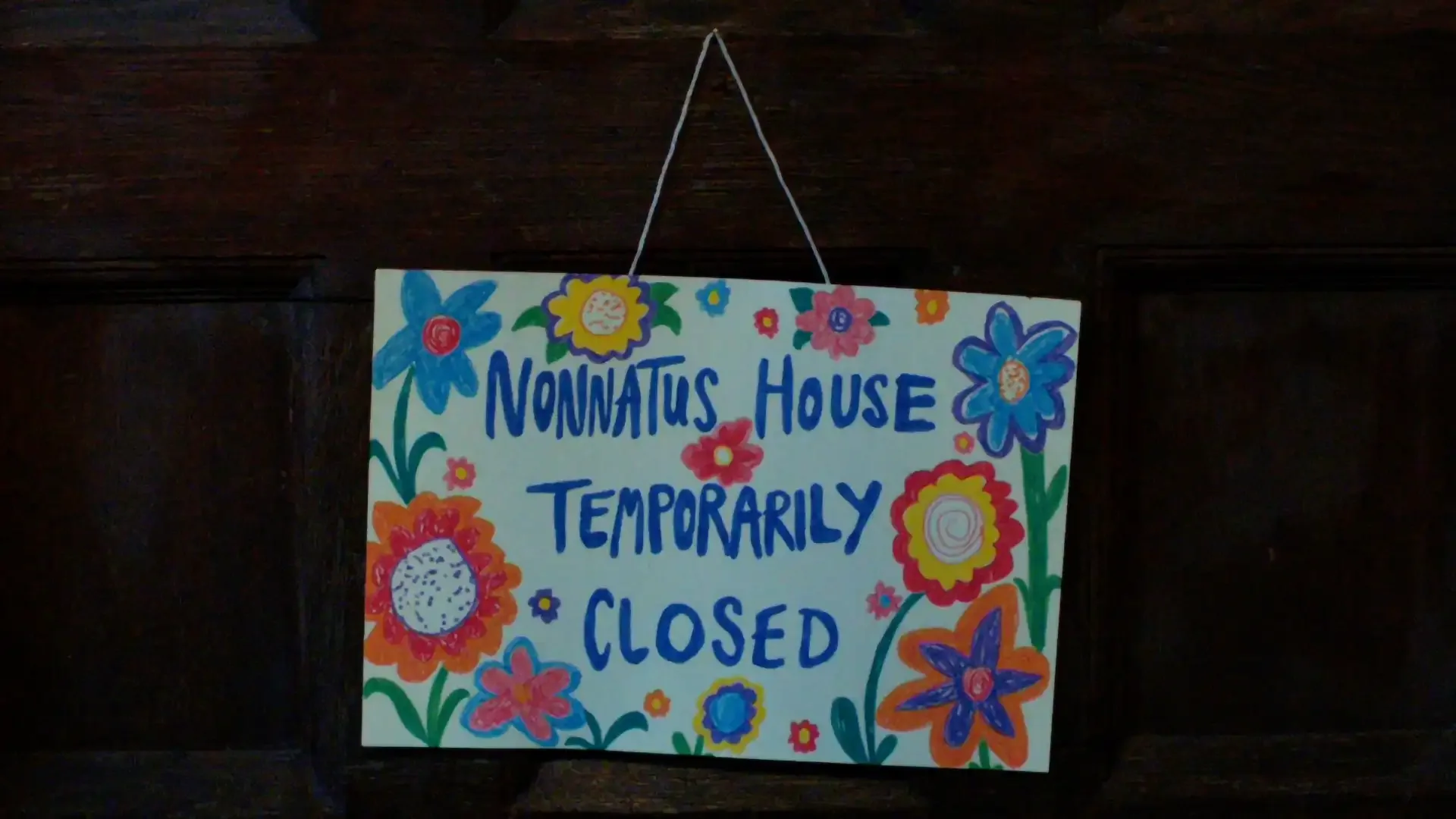
There is change in the air at Nonnatus, with the most notable being the closure of Nonnatus House as a midwifery practice and the closure of the maternity home, with care now being provided through the National Health Service.
Because of Nonnatus House’s religious affiliation, they are no longer going to be funded to continue to provide the care they have so diligently been giving for several decades.
The issues with funding for Nonnatus House and the funding for maternity care in our modern world are strikingly similar.
Midwifery care is essential. We provide the type of care that is proven to improve outcomes — lower rates of preterm birth, lower mortality rates for mothers and babies, lower use of intervention, lower rates of cesarean sections for first-time mothers, higher likelihood of breastfeeding, and increased patient satisfaction.
These improved outcomes with midwifery care also come at a lower cost than the same care provided by a physician.
So why are midwives so often cut when a health care system needs to cut costs? Why are maternity wards closing, leaving several areas in the United States without any OB care in a multi-county radius?
There are a lot of reasons why hospitals choose to close down their labor and delivery units.
For one, birth is unpredictable. You can’t possibly know if there will be one person in labor or 15 people in labor on any given night. That can make it hard to staff labor and delivery with the appropriate number of specialized, skilled nurses.
Even a night that starts out with one woman in labor can end with every single labor room full and five patients giving birth in the triage area, as we learned at my hospital just a couple of weeks ago! That was a wild night, and I’m still recovering from it.
With birth rates in some areas declining, some hospitals find it is not worth it to pay to staff a labor ward that isn’t usually full. Along the same line, almost half of the births in the United States are covered by Medicaid, but Medicaid reimburses hospitals less than private insurances.
There are also less doctors going into obstetrics. Hospitals in rural areas struggle to recruit and retain providers, and getting temporary help is often very costly.
Finally, malpractice insurance for OB care providers is expensive. Obstetrics is one of the most highly litigated areas of medicine. For smaller hospitals or those in rural areas, the cost of covering malpractice insurance to staff an OB unit is too high to sustain.
When a community loses their maternity ward, like Poplar is losing the maternity home, the consequences go beyond just having to travel a little farther to receive care. A “maternity desert” is a county that does not have a hospital that offers obstetric care, does not have a birthing center, and does not have any obstetric providers (doctors or midwives).
Over 36% of U.S. counties have maternity care deserts!
We know there is a direct correlation between living in a maternity care desert and higher rates of maternal and infant mortality. Rapid-onset complications of pregnancy and birth, like preeclampsia or postpartum hemorrhage, need urgent and timely care.
That is hard to provide if the nearest OB provider is 30+ minutes away, especially if someone doesn’t have reliable transportation.
Speaking of transportation, the need to travel a good distance for routine prenatal care, as well as delivery, means that many people will miss out on regular prenatal care. Some women might not make it to the hospital in time, meaning their babies might be born in the car or in an emergency room at a hospital that is not equipped for OB or newborn care.
Given that most of these maternity care deserts are located in rural areas, there is not reliable public transit or even access to things like Uber or Lyft to help people get to regular appointments.
The people of Poplar are going to struggle without their local midwives and maternity home. Many of them are lower income and struggle to make ends meet. Having a car for reliable transportation is not common, so making it to St. Cuthbert’s Hospital for regular prenatal visits and for delivery can be challenging.
Not only that, but the women in Poplar have been cared for by Nonnatus House for generations. They want to birth their babies in the comfort of their own homes with the support of highly trained midwives, and now this option is being taken away from them.
The tides are changing, and we are seeing the shift from low-intervention births at home to the medicalization of birth within the hospital setting.
Another enormous change at Nonnatus House is the passing of Sister Monica Joan.
Sister Monica Joan has been an extremely loved and vital part of Nonnatus House, despite it being years since she has practiced midwifery. Her spunk, her kindness, and her wisdom have touched so many families in Poplar, as well as all of the midwives who have come through Nonnatus House.
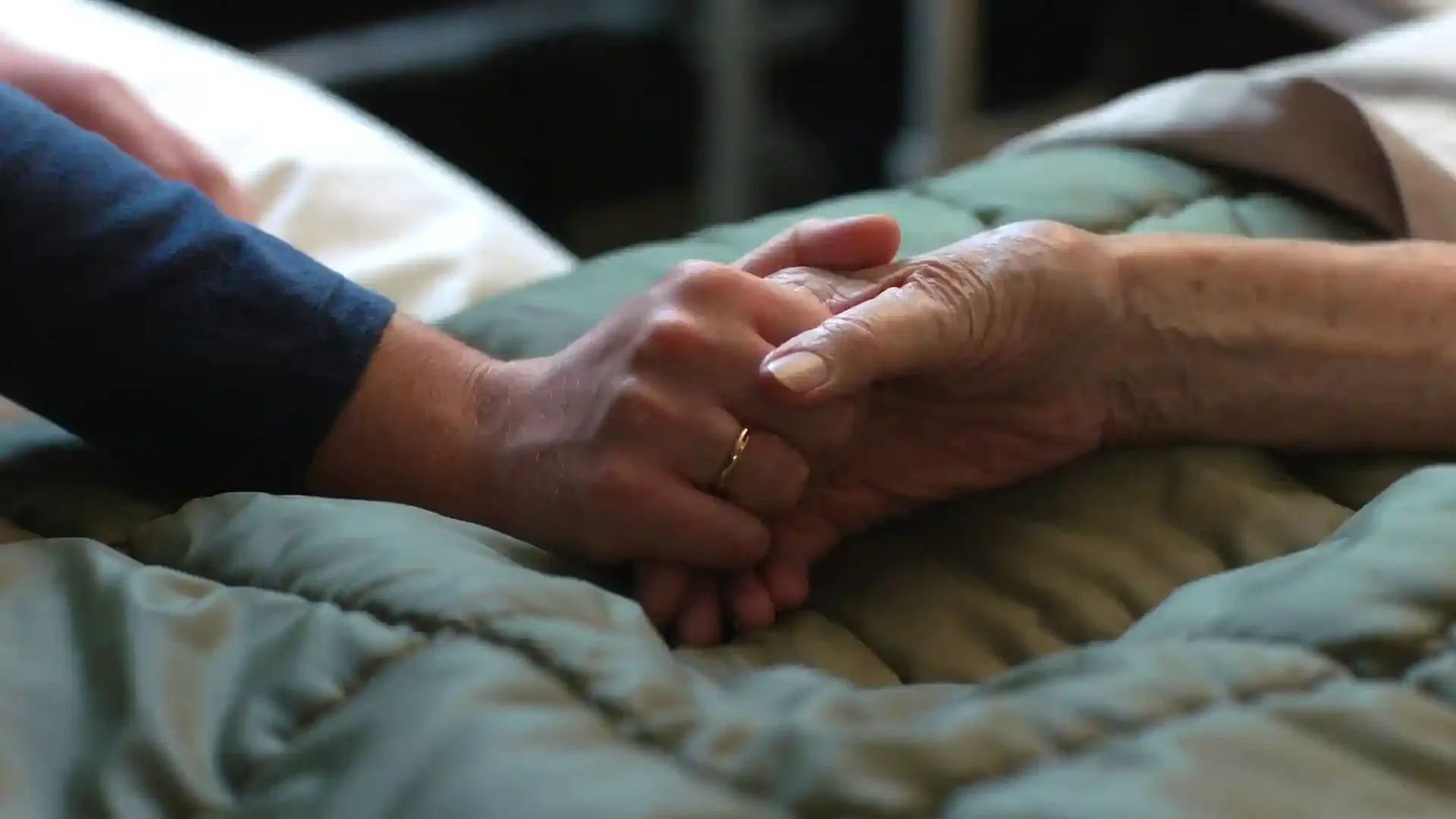
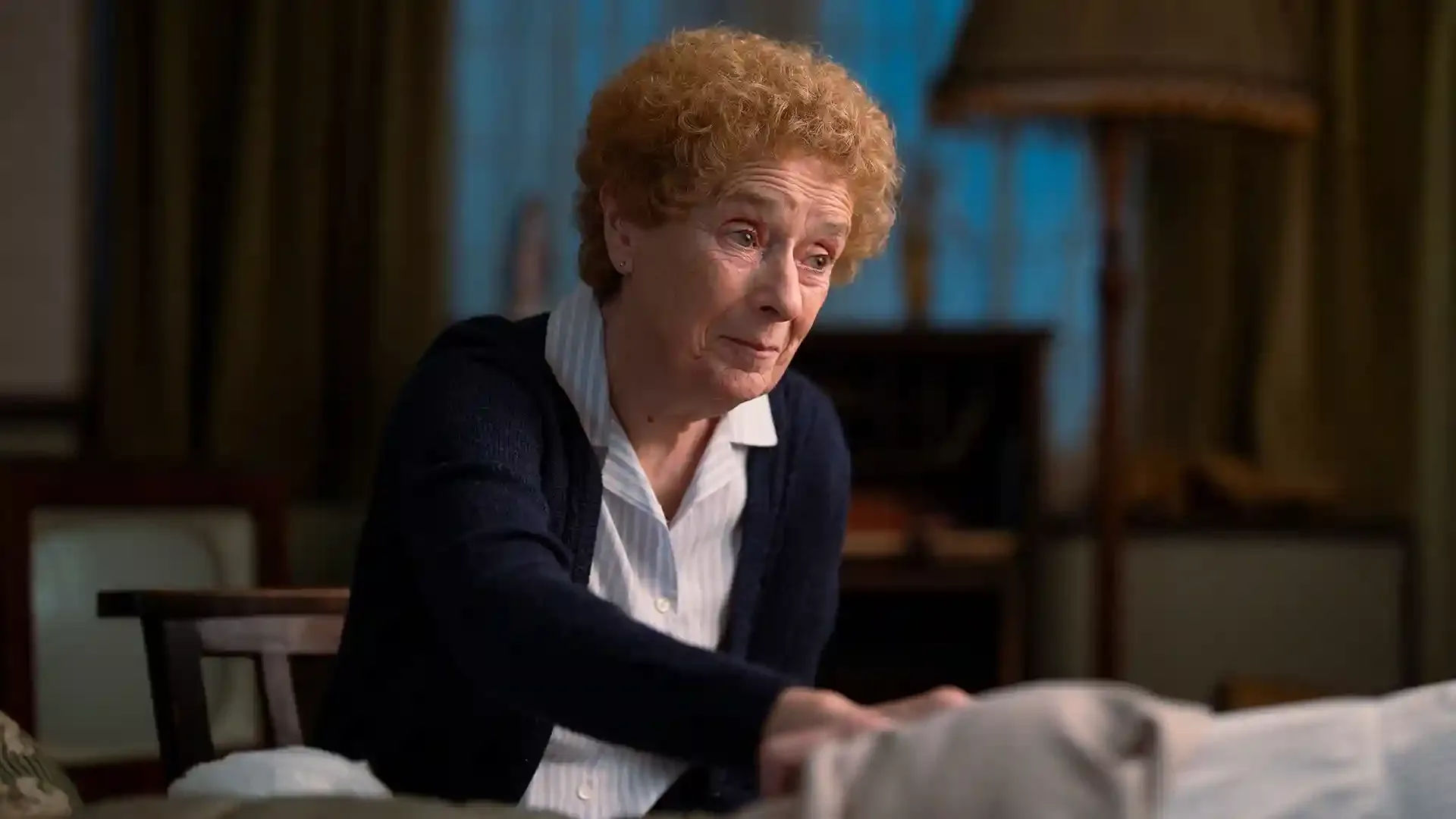
Sister Catherine and Phyllis kept vigil at her bedside when they knew the end was near. They used the same presence and empathy they do with laboring mothers as they kept watch over Sister Monica Joan.
When Sister Evangelina came to guide Sister Monica Joan through the “veil” to the other side, it was extremely poignant. I can only hope that my loved ones are there to help me transition when it is my time.
There is so much we don’t know or understand about death. I have heard of loved ones who have already passed coming to “collect” their family members at the time of their deaths. We don’t understand it, but there are enough stories out there from hospice nurses and others involved in end-of-life care that I feel like it must be a real phenomenon.
I lost my grandmother in 2008, just a few days before Christmas. She had progressive dementia for many years before her passing, and it had been years since she had been able to speak actual words. We would visit her and tell her stories or have one-sided conversations, but it was a little like talking to a toddler who hadn’t yet learned to talk. She would babble back to us, but it had been years since we had a meaningful conversation.
The day before she passed, my family was all sitting around her in the hospital. My grandmother, who I called Nonnie, was sleeping. It was a few days before Christmas, but we were all in somber moods, knowing that Nonnie’s time on this earth was coming to an end.
Nonnie opened her eyes and looked right at me. She said, “Well, I’ll be darned, what are you doing here?”
My Nonnie, who hadn’t been able to speak a single real word in years, was talking to me. Not only that, but she definitely recognized me.
We shared a Christmas cookie that my sister had brought to the hospital, and it was the last memory I have with Nonnie. What a beautiful gift, to be aware and present with us one more time.
Despite the sorrow of losing Sister Monica Joan, there is still the joy of Rosalind’s wedding and baby on the way that reminds us of the circle of life. There are constant arrivals and departures.
The joy on the doctors’, nurses’, and midwives’ faces as they saw a baby on ultrasound for the first time was unmatched!
I am still in awe every time I do an early ultrasound in my office, and I am able to see, in real time, a tiny little baby in utero. The brisk change and development of little fetuses in just a few weeks’ time is nothing short of miraculous, and such a special moment to be able to share with my patients.
Technology has come so far, and in many ways, has improved our lives. There can be tension between the old ways of doing things and modernization.
The same can be said for the “old school” bedside manners and the community-centered care that was provided by Nonnatus House and the maternity home, versus the colder, more medicalized version of birth taking place at St. Cuthbert’s Hospital.
Compare this to my current practice: within a 12-hour hospital shift, we have to balance the desires of women to have empowered birth experiences, minimal interventions, and allow for physiologic birth within the medical system.
Midwives today work hard to act as a bridge between the high-tech interventions that are available in most hospitals and the low-tech, high-touch care that midwifery is known for.
This is not to say that midwives are not grateful for modern medical technology. It has a wonderful place within the birthing world that has improved the lives of countless families.
Like we saw this season, they were already improving the chances of survival for babies born prematurely, and we have continued to improve our limits of viability.
Technology has also expanded the type of patients we are able to care for as midwives. It’s routine to have women in a trial of labor after a previous cesarean delivery, and it’s safe to do so because of continuous fetal monitoring, medications to manage potential hemorrhage, and the ability to quickly proceed to the operating room if the urgent need arises.
We prevent many cases of preeclampsia turning into eclampsia (that is, progressing to the stage of having seizures) because we have magnesium sulfate IV drips and can quickly and closely monitor blood pressures along with liver and kidney functions.
We have the tools to monitor not only how a baby is growing in utero, but we can also view how the blood flows to the baby in the umbilical artery to know if we need to intervene with delivery in a baby that hasn’t been growing well.
Yet despite these amazing advances, we in the US are still left with some of the worst maternal health outcomes of the developed world. We need to work on utilizing the technology when it is needed, while still retaining our ability to think critically and provide personalized care to every patient.
May 5th is the International Day of the Midwife. The focus this year is on the fact that the world needs one million more midwives to change the outcomes for birthing people worldwide.
The International Confederation of Midwives says it concisely:
“You or someone you love will one day need a midwife. But right now, not everyone who needs one has access. The world is missing one million midwives. Closing this gap could prevent most maternal and newborn deaths, reduce unnecessary interventions, and ensure women and gender diverse people receive safe, respectful, and rights-based care.”
This isn’t an argument that we don’t need doctors. We do need doctors who are experienced in high-risk situations, surgery, and unexpected complications.
The Nonnatus midwives are quick to call on Dr. Turner when they realize they need his expertise. I am so grateful for the physicians I work with who are always just a quick call away, and we work together as a team when someone requires that higher level of care.
However, midwives have a very special skill set of understanding normal birth and protecting it. Our “feelers” are always out to make sure no red flags are rising, but we still honor that birth is usually a normal lifecycle event. We will manage a complication when it arises, but we also know when to sit back and let labor unfold on its own.
This can be a very tricky thing to learn, and I think it is challenging for physicians who are trained in pathology versus midwives who are trained in physiologic birth. We need the collaboration of both specialties to make birthing safer for everyone.
As Season 15 comes to an end, we are reminded that midwifery has never been just about the arrival of new life; it is about being present for so many events that define the human experience.
We walk with people through difficult times, new diagnoses, and navigating reproductive care, as well as through pregnancy, birth, and postpartum. We might be keeping vigil at a bedside like Sister Catherine and Phyllis did for Sister Monica Joan, or we might be that bridge between high-tech intervention and physiologic birth in a hospital setting.
The landscape of healthcare is continually changing, but the core of our work as midwives remains unchanged. We will protect what is sacred, advocate for the vulnerable, and hold space for our patients and communities.
As we celebrate International Day of the Midwife, we commit to ensuring that no matter how much the tides change, every person should have a skilled hand to hold during life’s most pivotal moments.