Times are changing, and the way that healthcare is provided throughout England is changing, too.
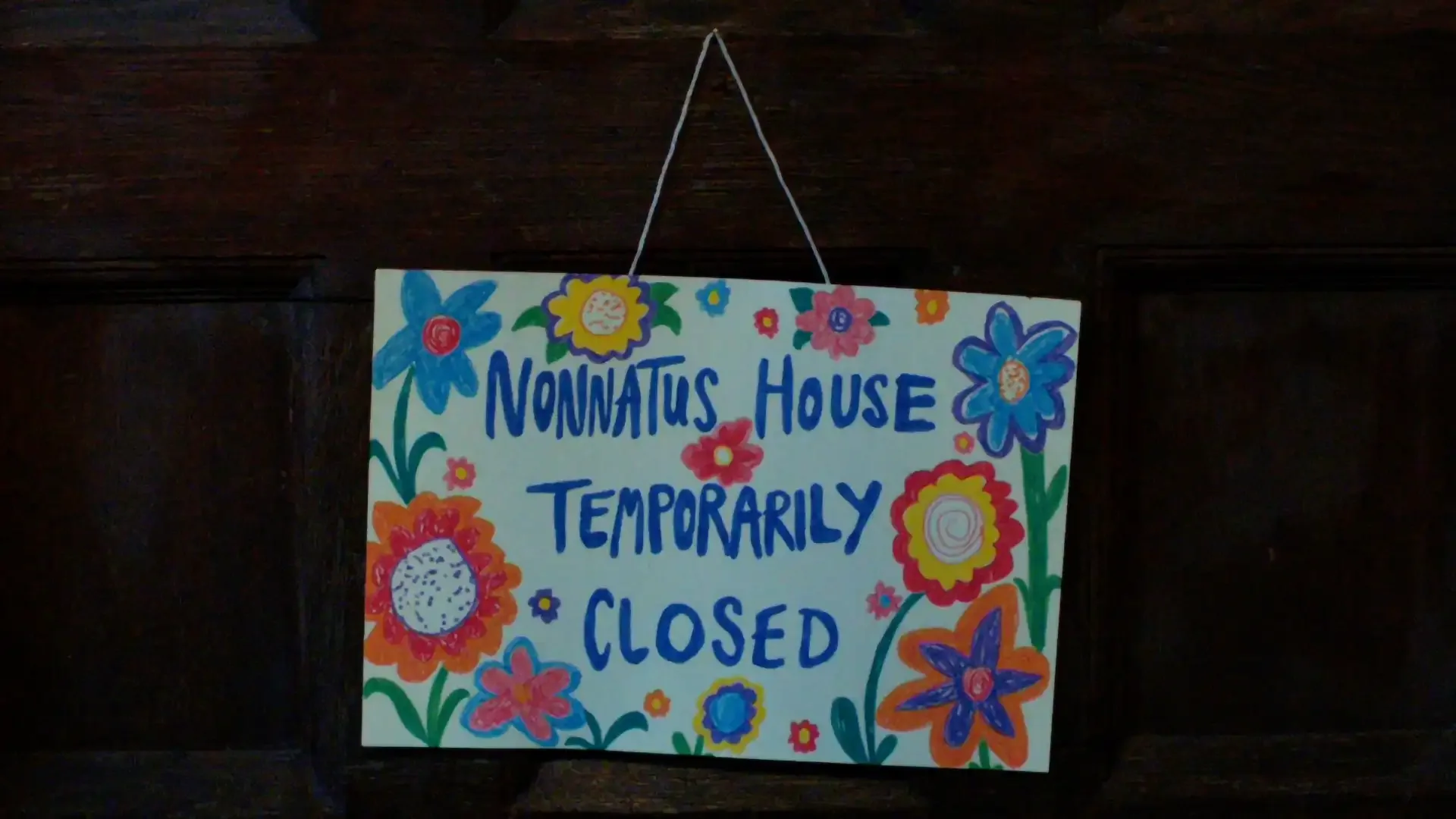
It seems that despite all of the community support and decades of changing the lives of Poplar’s residents for the better, Nonnatus House must cease operation. In addition, the maternity home will be closing.
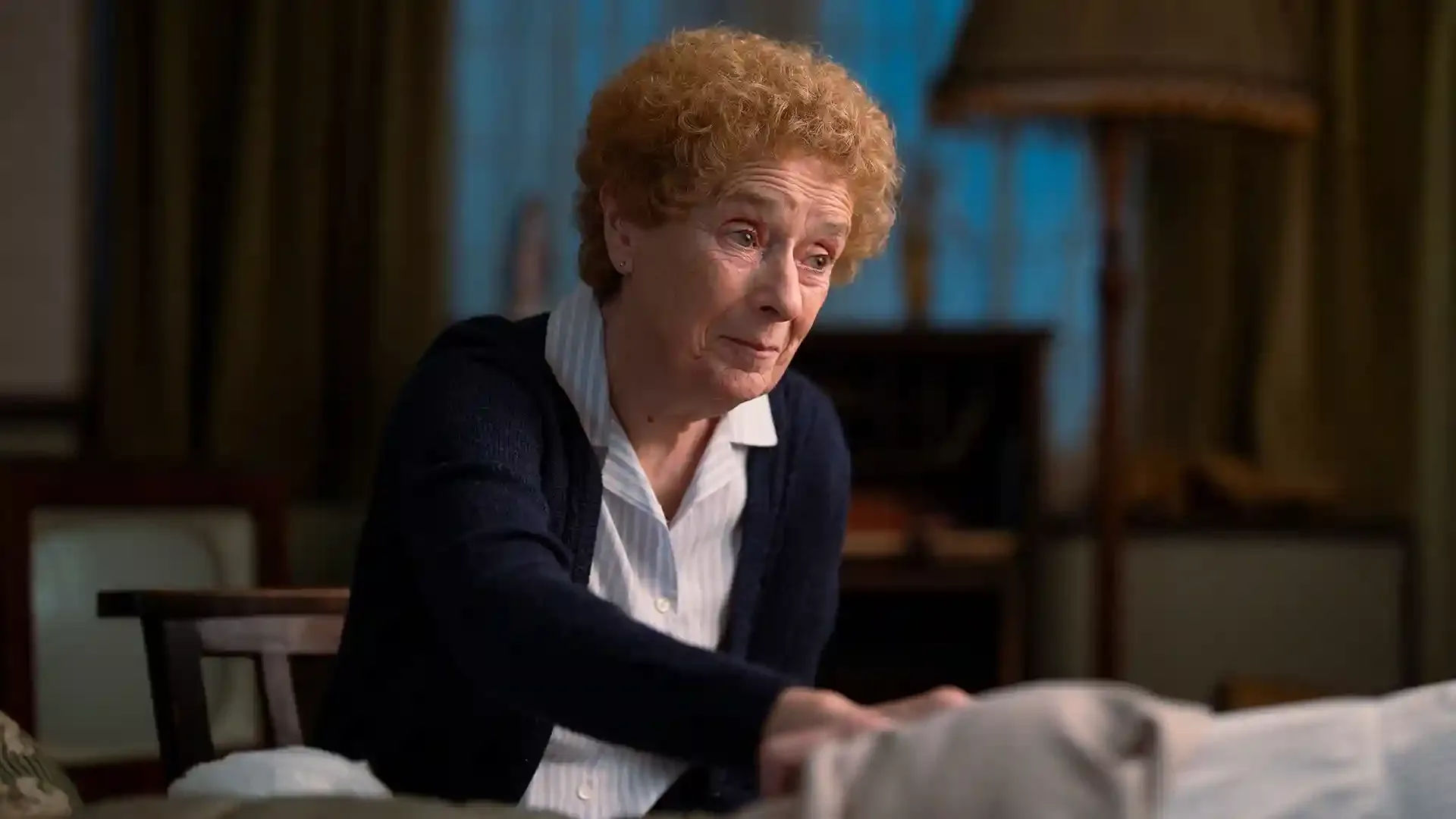
After 15 seasons of Call the Midwife, I should be used to the emotional turmoil, but the finality of the Sisters and Midwives being potentially separated, with the nurses being absorbed into the National Health Service, seems like the true end of an era.
We’ve seen this scenario play out many times over the years. Midwifery care has repeatedly been shown to improve health outcomes, increase patient satisfaction, lower cesarean section rates, increase breastfeeding rates, and decrease preterm births.
Midwifery care provides all of this at a lower cost than physician care. So why aren’t midwives utilized more frequently in the United States?
The answer is complex.
With the medicalization of birth in the early 1900s, midwives (especially the Black Grand midwives and other immigrant midwives) were discredited and marginalized, and there was a push for hospital birth with obstetricians.
Even as midwifery has made a significant comeback in the latter part of the 20th century through today, there are still barriers to practice. There are different licensing and regulations that can vary by state, which often require a physician to have a collaborative agreement or oversee a midwife’s care.
While Medicaid covers Certified Nurse Midwives, the reimbursement rate is lower than it is for physicians. Also, midwifery programs cannot currently keep up with the demand for midwives — that is, there are not enough schools to train the people who want to become midwives.
The cost of these post-graduate programs is also a barrier.
Call the Midwife has shown us time and again how midwifery care changes lives and outcomes. The care that the Nonnatus midwives and Sisters deliver is so deeply personal.
This week, Trixie met Gwen Savage, also known as “Harmony,” in the women’s wrestling world. Trixie didn’t just see Gwen for a quick appointment after her concussion; the care that Nonnatus provides means that Trixie follows up at the home to check in on Gwen’s recovery.
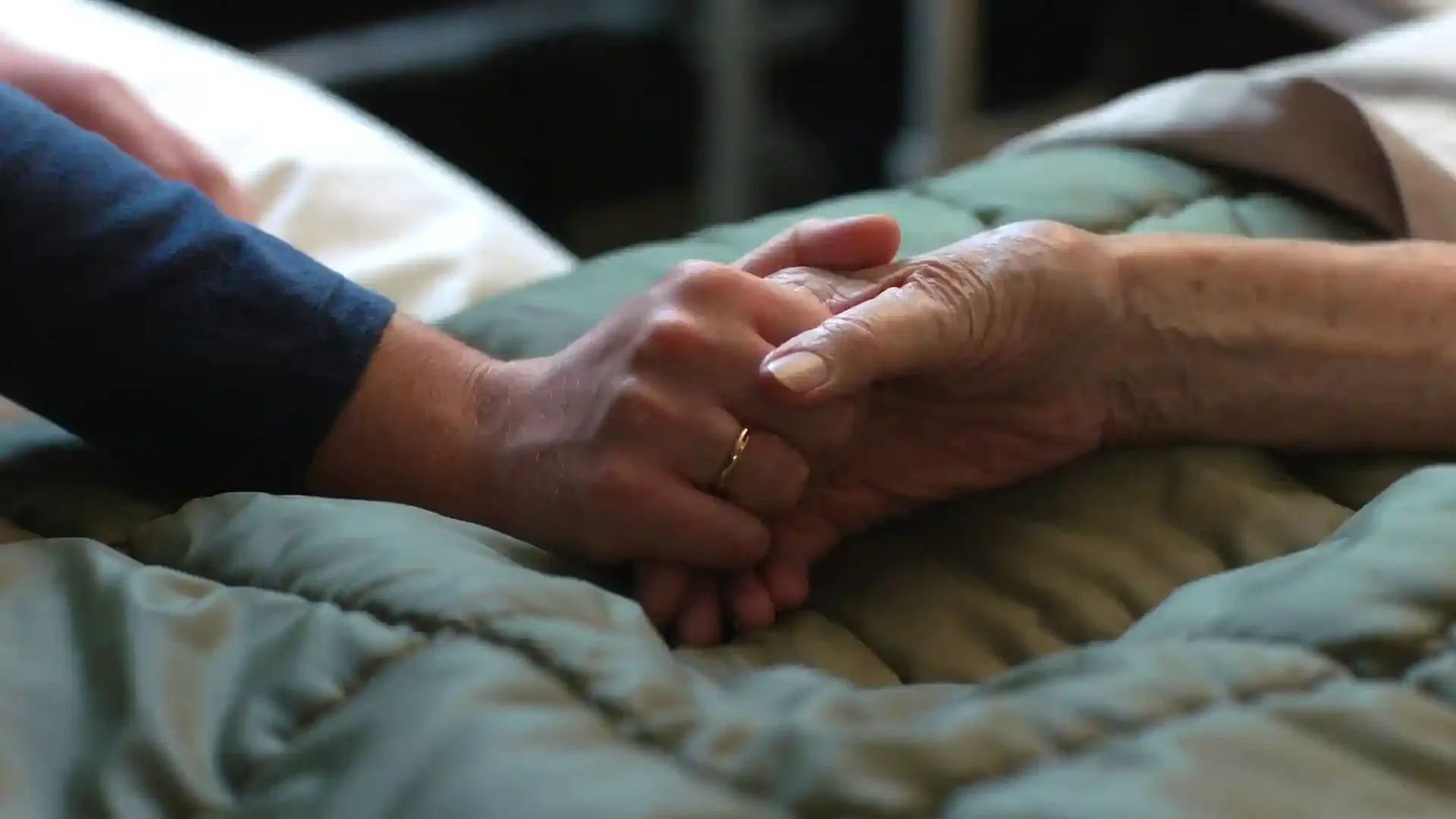
The midwives don’t just provide brief medical care; they follow up, offer social services, and give emotional support. This type of time-consuming, yet highly personalized care is unfortunately not valued anymore in a for-profit health system.
While I do think that modern-day certified nurse midwives work hard to provide holistic care, build relationships with patients, and meet patients where they are, we work within the limitations of our health care systems.
For me, that means 15-minute appointments that might be double-booked, meaning I have to provide quality care for each person in 7.5 minutes!
Midwifery care has evolved from being much more community-based to health-system-based, but we do work hard to keep the heart of midwifery in all of the work we do. Sometimes, it will mean just running a bit behind schedule in order to provide the care we know our patients deserve.
Another storyline that highlighted the comprehensive family care that was provided by Dr. Turner and the Nonnatus House was that of Tony and Tina Bianchi.
Tina was a patient of Nonnatus House, as she was due to have a baby very soon. However, after noticing a painful area of skin breakdown near Tony’s nipple, Tina convinced him to see Dr. Turner.
Dr. Turner helped book Tony into the hospital for a procedure, but I don’t think anyone was prepared for the diagnosis — breast cancer. Tony’s mother had died of breast cancer, but he couldn’t fathom the diagnosis for himself.
Most people, even today, do not think of breast cancer as something that men can be at risk for, too.
While breast cancer is still much more prevalent in females than males, it often is not detected until later stages in men. This means that men with breast cancer have a 25% higher mortality rate than women with breast cancer. Breast cancer might not be found until it’s much more advanced because men don’t realize they are at risk.
Women are told all the time to do monthly self-breast exams, but men are not. If there is a family history of breast cancer, all of the female family members discuss this with their health care providers and take steps for extra screening, but men do not.
Then there is the social stigma.
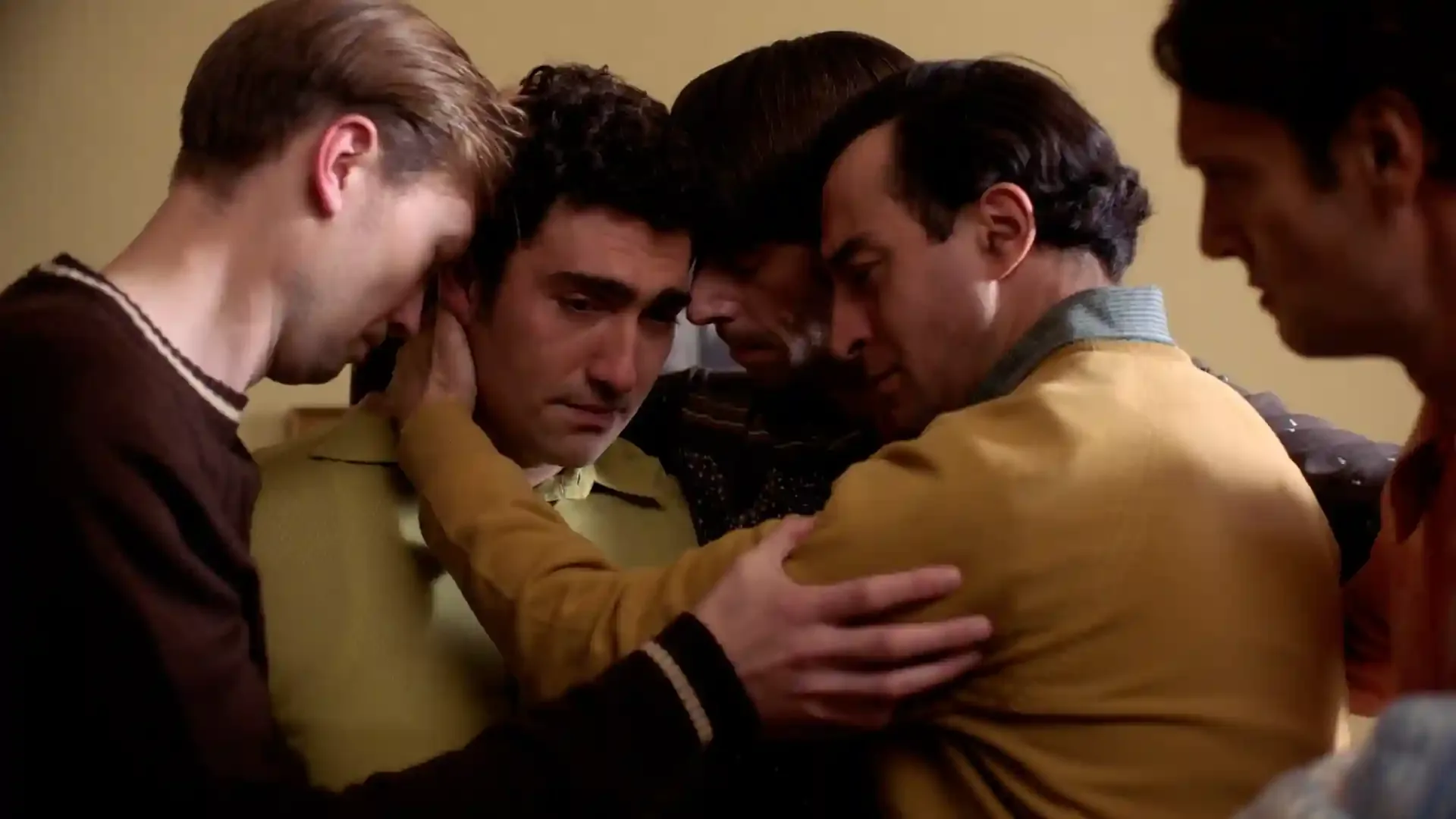
Tony Bianchi had a close relationship with his brothers, especially since their parents had passed away. However, he didn’t want to disclose his diagnosis to his brothers because he was ashamed; having breast cancer made him feel like he was “less of a man.”
Tony was indeed the only man at the clinic for breast cancer treatment, and he felt so isolated. He missed several follow-up appointments for treatment because the embarrassment he felt if other people found out about his breast cancer was overwhelming.
It was only with the fast and furious birth of Tony’s and Tina’s baby — caught by Tony while the midwife was en route — that Tony realized that his will to beat breast cancer, to live for his family, was stronger than his fear of other people finding out his diagnosis.
As his brothers gathered to meet the new baby, Tony told them about his breast cancer diagnosis. His brothers pledged their support in any way they could for Tony, Tina, and their new baby.
While I generally spend time while watching these episodes thinking about how the midwifery care is similar or different from my modern-day practice, this episode also made me think of my own family.
My great-grandfather was actually diagnosed with breast cancer in the 1970s and underwent a mastectomy. My mom doesn’t think he had to have any additional treatment other than surgery. When I told her about this week’s episode, she couldn’t believe there was a story that paralleled her grandfather’s.
To honor both the fictional Tony Bianchi and my real-life great-grandfather William Sass, I want to talk about some of the risk factors for breast cancer in men.
Age increases risk for most cancers, so it’s no surprise that is the case here. The average age of men diagnosed with breast cancer is 69. Genetic mutations, such as the BRCA1 or BRCA2 gene mutations, will increase the risk in both female and male family members.
A family history, even without a known genetic mutation, will increase the risk of breast cancer in men.
Men with more estrogen will be at increased risk for breast cancer, too. This can happen because of liver disease like cirrhosis, having higher levels of body fat (fat converts androgens into estrogen), or men with Klinefelter Syndrome (which means having XXY chromosomes).
High alcohol consumption is also a major risk factor for breast cancer in both men and women. Radiation exposure of the chest, such as having radiation treatment for other types of cancer, could also increase risk of breast cancer in men.
It’s rare for a TV show to bridge the gap between fiction, professional practice, and family history as seamlessly as Call the Midwife has done.
Seeing Tony Bianchi struggle with a “woman’s disease” didn’t just highlight a clinical scenario — it gave me a window into the world my great-grandfather navigated decades ago.
A great takeaway from this episode is that we need to have the courage to speak the unspoken. Tony found his strength in the arrival of his new baby and the support of his brothers.
By sharing our stories, both the ones on the screen and the ones in our family trees, we are making sure that no one has to face their diagnosis alone.