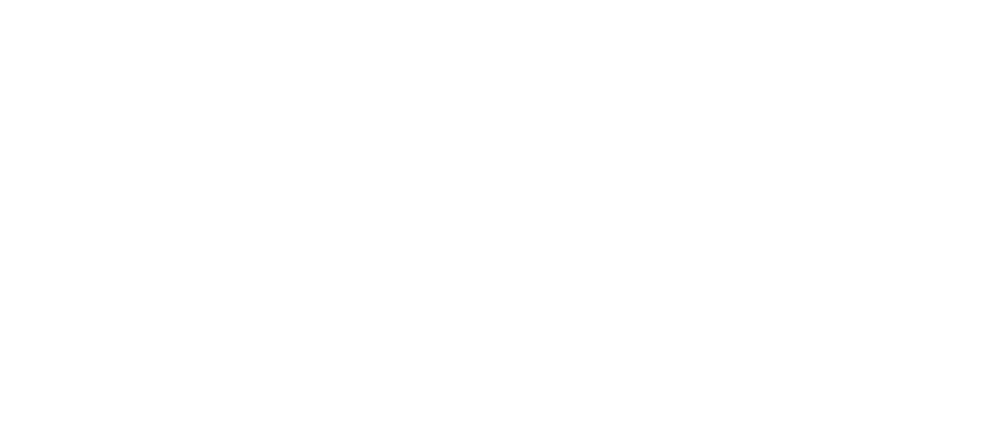
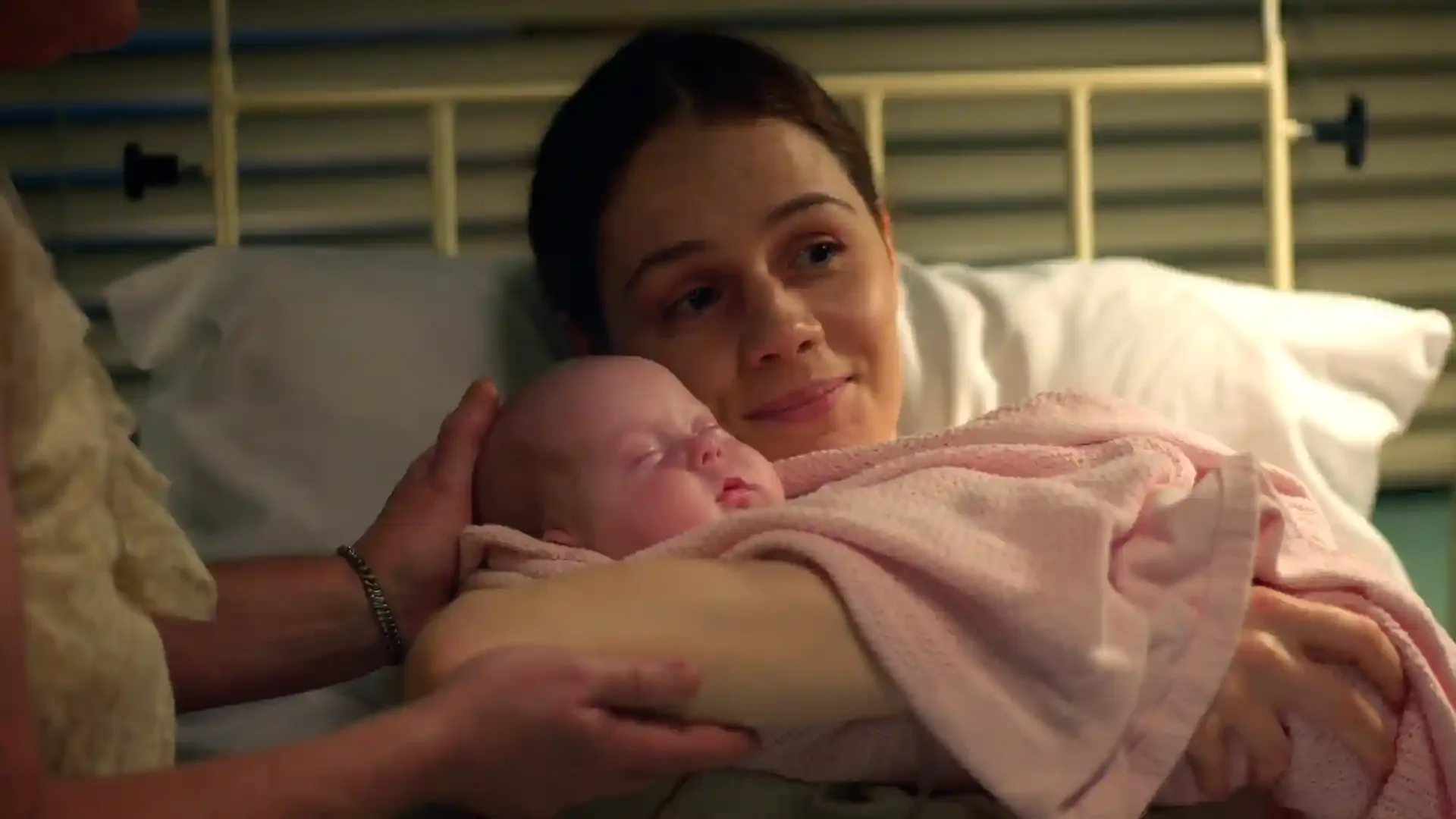
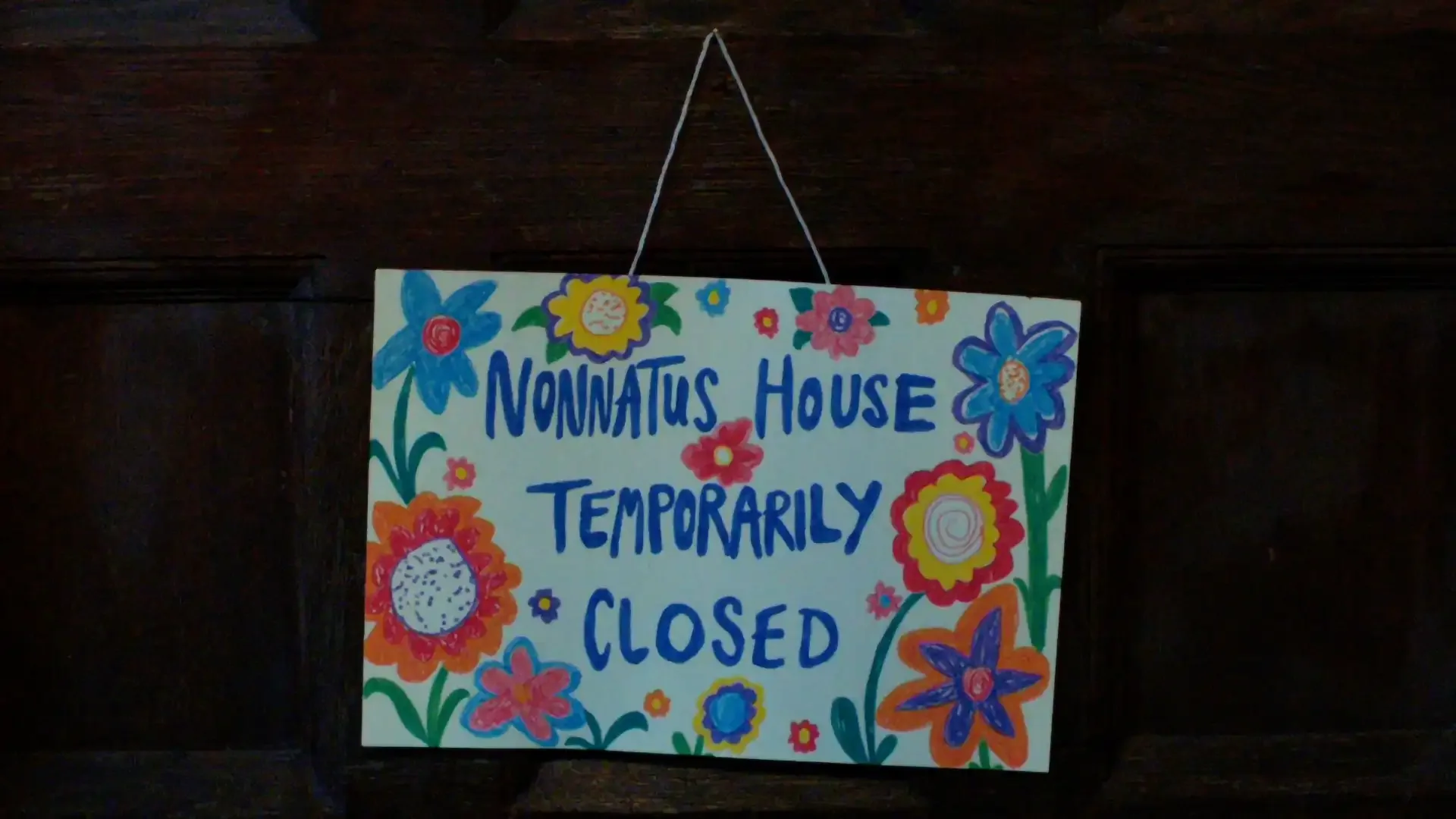
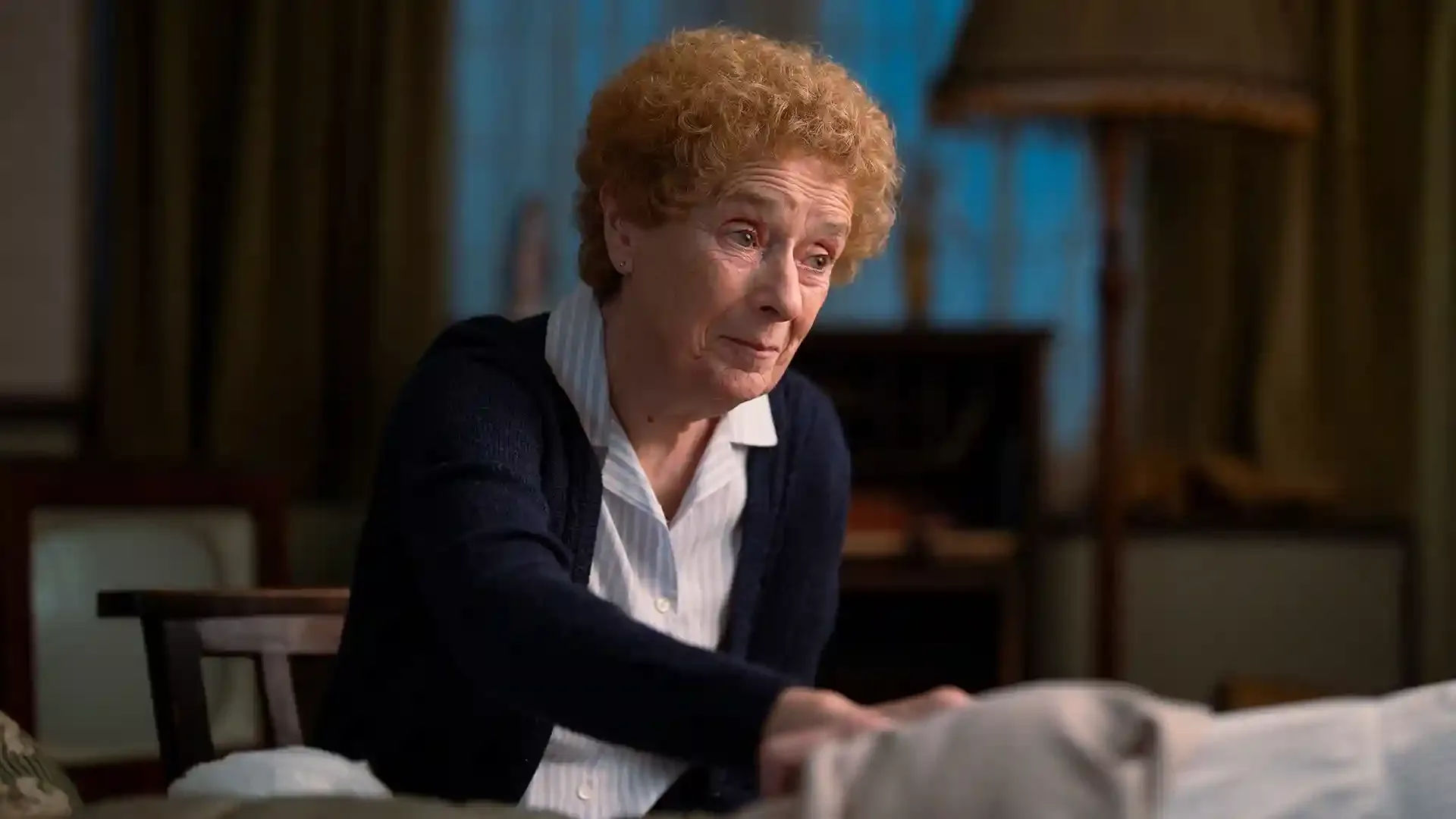
In the opening monologue, the voice of Jennifer Worth (Vanessa Redgrave) recites that the word “promise” is a “noun, a verb, and a virtue. It speaks of covenants, and of reassurance. It tells us of good things to come. ... it can be divine or unutterably human.”
I thought about those words as I reflected on this episode. In the “promise” of a better life extended to Agata, the young woman kept as an indentured servant by the couple who use her as a housemaid, nurse, and future non-consensual baby incubator.
In the “promise” of safe birth passage for the young woman with the placenta previa who undergoes a classical incision cesarean section (we see the vertical incision in her abdomen/uterus during the operation scene), who then hemorrhages and almost loses her life.
In the “promise” of what the future holds as several characters discuss what to put into their time capsules.
If you are wondering why the young woman with the placenta previa had to undergo cesarean section, it is because in a complete placenta previa situation, the placenta covers the opening of the cervix, preventing a vaginal birth — as the placenta is fixed in place between the fetus and the cervical opening.
Usually, the placenta is implanted near the top of the uterus (called the “fundus”) or on one of the side walls of the uterus. Complete placenta previa is rare, with an incidence of about 4-5 per 1,000 pregnancies. However, you may be surprised to know it is becoming more common as cesarean section rates rise.
Taking us back to our anatomy and physiology courses for a moment… placenta previa is more common in a woman who has had a prior cesarean section for a few reasons. Mainly, placenta previa — when the placenta implants over or near the cervix — is more common in women with a history of cesarean delivery because the scarring inside the uterus, which results from the prior cesarean incision, changes the uterine environment.
When the uterus heals after being opened during a cesarean section, a scar in the uterine muscle is formed. In a subsequent pregnancy, a developing placenta is drawn toward that scarred area.
Now, also consider that the option of a trial of labor after cesarean (“TOLAC”) is unavailable to many women who would choose that option and are appropriate candidates. This may result in a woman having numerous cesareans over the course of their reproductive life.
Because the scarring increases with each additional cesarean performed upon the same uterus, the research has shown that the risk of having a placenta previa increases with each subsequent cesarean section. For example, it is 4% after one cesarean, 11% after two cesareans, 40% after three cesareans, and 60% after four or more cesareans.
Incidentally, this is not the only pregnancy complication that rises with the number of cesarean sections. Placenta accreta (where the placental tissue embeds too deeply within the uterine muscle) is a major cause of maternal mortality and morbidity that has risen as the cesarean rate has risen over the years.
A second theme of the episode I reflected upon was echoed in Jennifer Worth’s words at the end of the episode when she says, “We promise our children that there is a future.”
In my family, we have been having frequent discussions about the impact of artificial intelligence (AI) on the future of our workforce. We debate about jobs currently occupied by humans that may eventually be replaced by AI.
One of my sons, a firefighter and emergency medical technician, and I debate about what in our professions could be replaced by a non-human.
Dr. Turner’s daughter (as they were thinking about what to put into their family time capsule) posed a question that brought me back to my family’s discussions when she asked, “Daddy, do you think there will be doctors in the year 2000?”
His poetic response was perfect (kudos to the writers) as he says, “I hope we’ll still have some humans as doctors in the future. … because people often keep quiet about what’s bothering them. You need human ears to hear that.”
Well said, Dr. Turner… well said.