We are getting an inside view into how the National Health Service reorganization in the early 1970s affected healthcare delivery systems in the Poplar community.
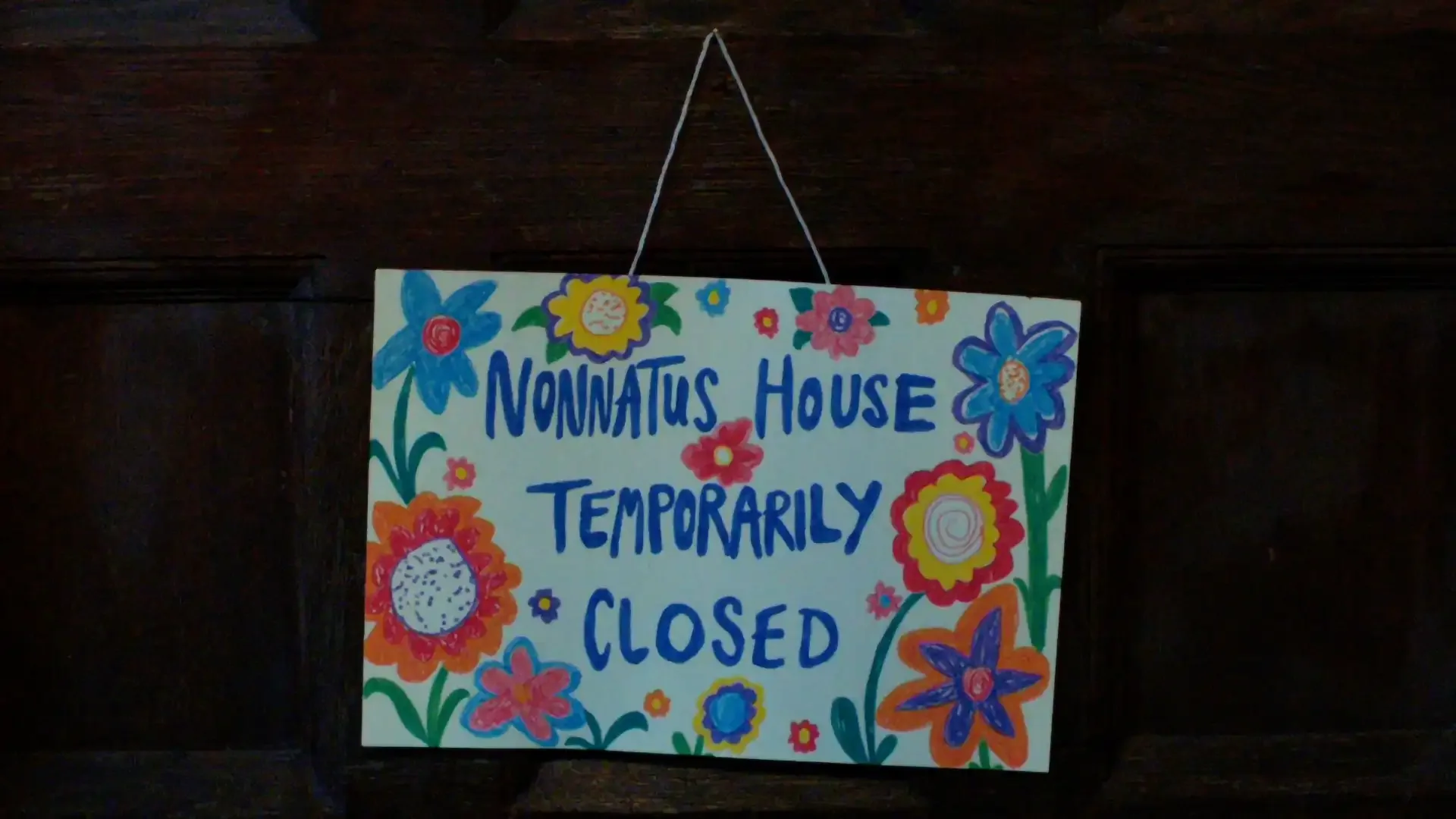
As Midwife Trixie (played by Helen George) was told in the season opener by the city health commissioner, Nonnatus House would cease to receive state funding if the nuns of Nonnatus House persisted in wearing their habits in their daily work (they wanted the proverbial “separation of Church and state”).
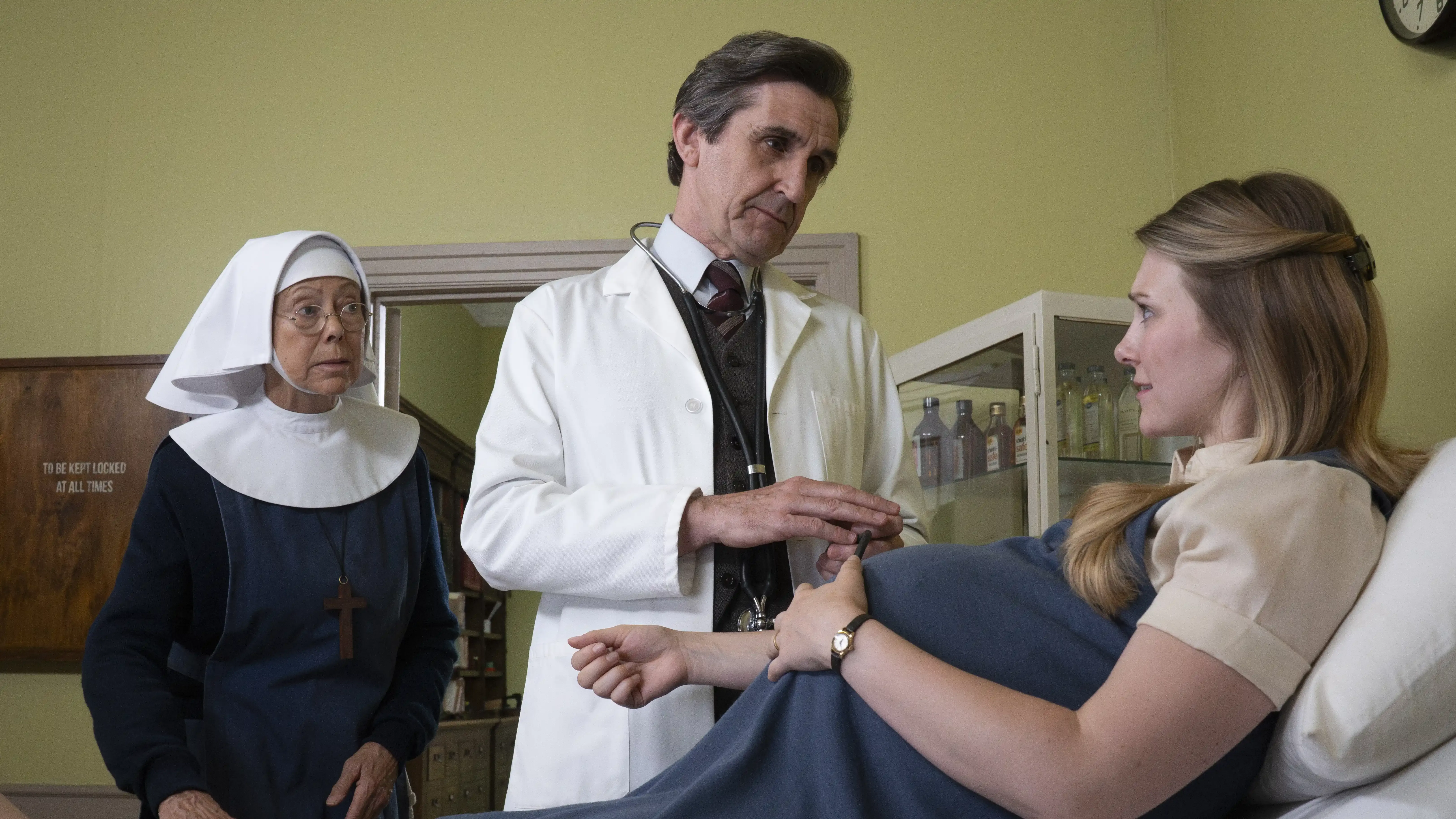
In this episode, we also see the entrance of epidural anesthesia into the childbirth arena, available to women who birth at the posh Lady Emily Clinic in London for the price of “20 pounds” (just under 30 US dollars). We witness the conversation between the hospital administrator at St. Cuthbert’s and Dr. Turner (played by Stephen McGann) as Dr. Turner tries to talk the administrator into offering epidural services to women who give birth at St. Cuthbert’s.
The administrator “kindly” (in his words) refers to Dr. Turner as a “dying breed.” The administrator doesn’t qualify that remark as being based on Dr. Turner’s association with Nonnatus House, on the fact that he is a general practitioner (and not an obstetrician/gynecologist), or on the fact that much of the care he provides is in his patients’ homes. Perhaps the comment is based on all three points.
Obstetrics and Gynecology, as a specialty, really wasn’t well established until the late 1920s. Up to that point, midwives and general practitioners (known currently as family practitioners) attended most births.
A 1982 US study noted that around 44% of family physicians delivered babies, while the most recent data quotes only a 7% rate for the number of family physicians who attend births. In various surveys, the reason family practice physicians cite for not attending births is the lack of availability of jobs for family physicians in practice to include delivery of babies, with quality-of-life considerations and malpractice insurance costs factoring in as well.
Yet, we face a mounting modern shortage of OB-GYN care providers in the US. Some estimates suggest shortage figures could hit up to 22,000 OB-GYN physicians by 2050. The March of Dimes notes that over 35% of US counties are considered maternity care deserts.
What that means is that in 1,104 US counties, there is not one single birthing facility or provider of obstetric care. For women living in maternity care deserts, the same data demonstrate that they often have a poorer state of health prior to pregnancy, and, given that they receive less prenatal care due to living in the maternity care desert, they also have higher rates of preterm birth and pregnancy complications.
Knowing that a huge part of the solution lies in front of our eyes, yet is not embraced, is the sad reality in which we live. Empowering family practitioners to provide maternity care widely once again and investing in the midwifery infrastructure in the US may not be the entire solution to the maternal child crisis in this country — but it would go a long way towards that end.
In the US, we have the most expensive maternal-child healthcare among all industrialized countries — yet we do not have the positive outcomes to justify the expense. Our system, which utilizes OB-GYN trained surgeons to provide care for the majority of low-risk pregnancies, is neither efficient nor cost-effective.
Marsden Wagner, a well-known perinatologist and epidemiologist, said it best, “Having a highly trained obstetrical surgeon attend a normal birth is analogous to having a pediatric surgeon babysit a healthy two year old.”
I spent several months in London years ago and was able to work alongside the wonderful midwives of St. Mary’s Hospital in Paddington Station. They inspired me with their skill and leadership and made me want to be one of them.
I spent time with community midwives who completed the initial new pregnancy appointments in the patient’s home, where patients were most comfortable providing personal information, where the midwives were also able to assess the home environment and plan for the patient’s needs.
These patients would go on to give birth in the hospital, but what a wonderful way to start out a professional relationship, meeting them on their terms, in their own environment. We could take more than a few pointers from our friends across the pond on what maternity care should look like….