For 15 seasons, Call the Midwife has shown us how the midwifery model of care worked for the underprivileged families in Poplar. Having a small, dedicated team of midwives and the assistance of one physician, Dr. Turner, meant that the majority of Poplar’s residents knew their doctor, nurse, or midwife on a closer level than what most people experience today.
Today, it is rare to find a doctor or midwife who is in solo practice. I know of a few, but they have a limited number of patients that they take on in total, and for OB/GYNs or midwives, that means a limited number of patients who are due each month.
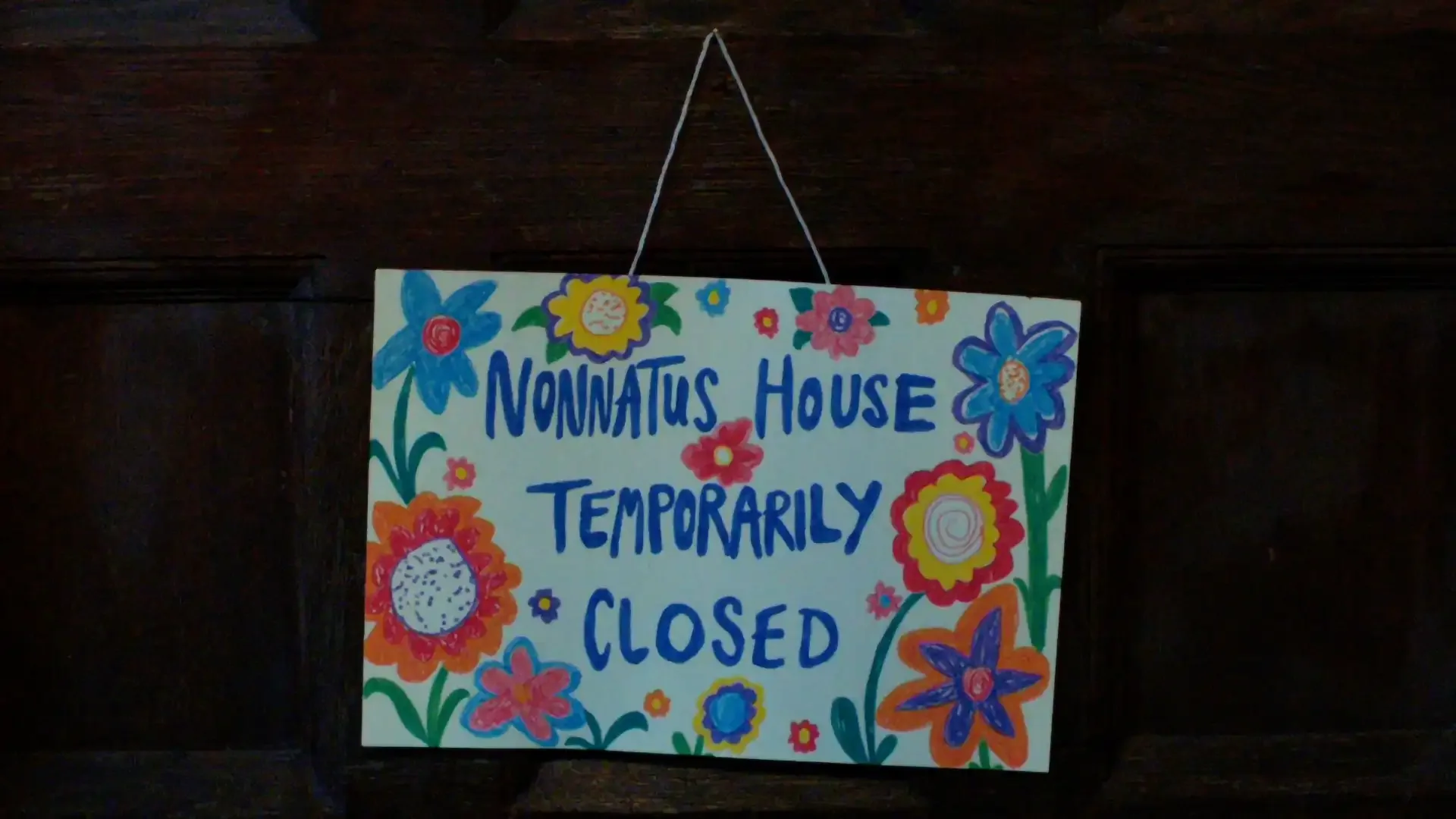
It seems for the most part that the midwives of Nonnatus House are on a rotating “on call” schedule. We’ve seen the chalkboard with their names listed, and the next on the list heads to the next laboring woman who calls. There’s still a relatively small group of midwives, so most of the patients have met or know all of them when it comes time for their birth.
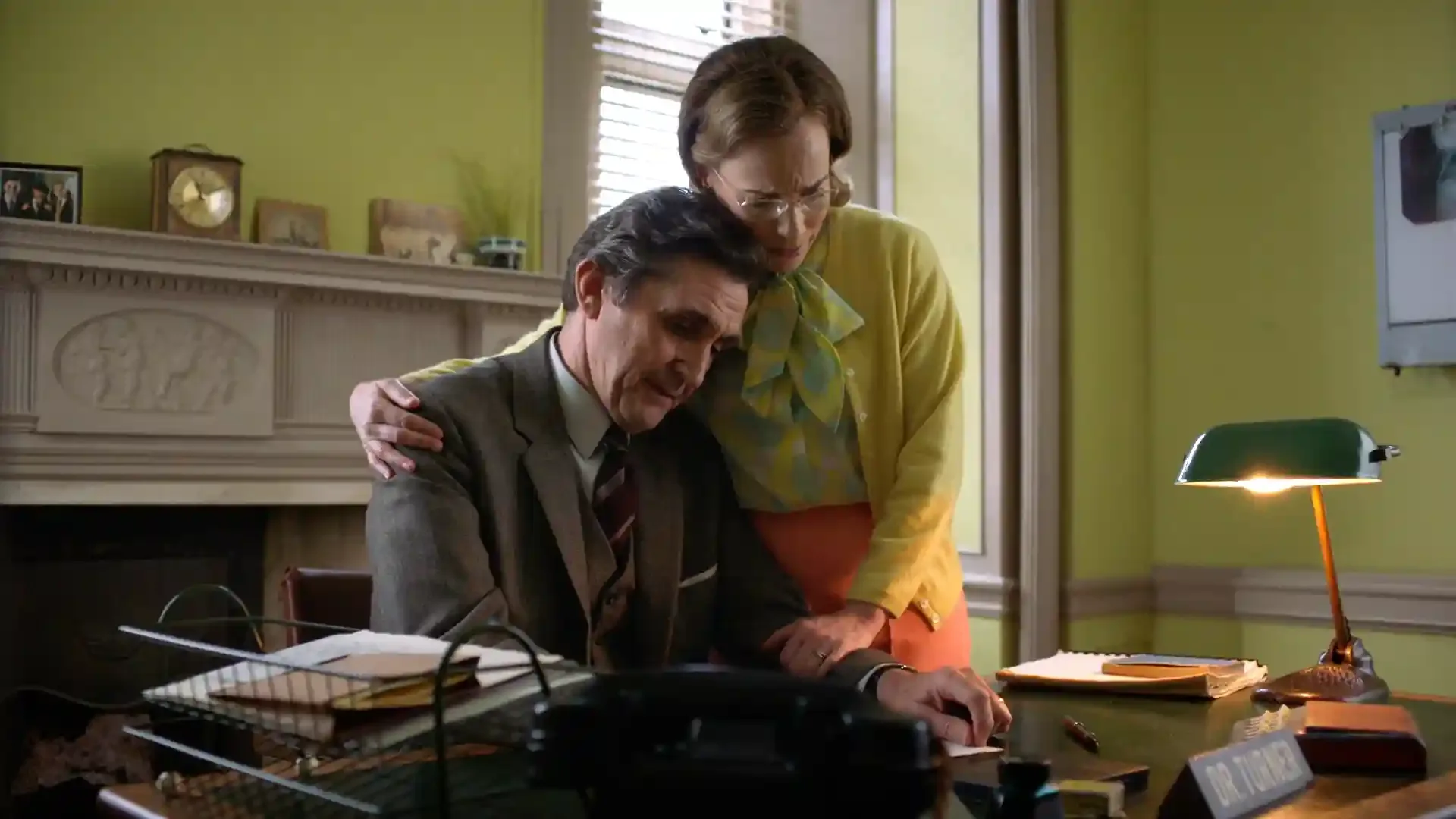
Dr. Turner, however, is the sole general practitioner (GP) for all of Poplar. It’s no wonder that everyone knows who he is, and he seems to know everyone. He’s been able to develop a rapport with the community over the years, and everyone seems to carry a lot of trust and respect for him.
I imagine it can be a lot of pressure for one doctor to take on, though. Of course, he can refer more complicated cases to St. Cuthbert’s Hospital, and he does. But it’s still a lot of work to be “on call” for your community 24/7.
In my current practice, we have 20 certified nurse midwives. Yes, 20! I’ve been with this practice for over 12 years, and we started with nine midwives. Our practice has expanded greatly over the years, and the need for more midwives became more apparent.
We currently staff two midwives on labor and delivery at all times (usually in 12-hour shifts, so two midwives for day shift, and two midwives for night shift). We also have our midwives at five different office locations throughout the week.
I love our practice because it allows for a better work-life balance; I will be working at the hospital for my 12-hour shift, and then I know I get to go home and rest unbothered. No one is going to call me into work from home when a patient shows up in labor.
It allows me to give all of my focus to my patients over that 12-hour time period, because I know I will have a reprieve after it. I haven’t been on call for 48-72 hours, just ready to finally get this patient delivered so I can go home. I would love to say that things like this don’t happen in obstetrics, but we all know they do.
I can’t imagine what day-to-day life was like for GPs in the 60s and 70s, like Dr. Turner. He has a set schedule of people to see in his clinic, he oversees the more complicated patients for prenatal care, and he is available for any obstetric emergencies or complications should they arise. He might be called in the late evening after already having worked a full day, to check in on a family like the Barrowmans.
We had briefly met Ivan and his son Paul when they were assisting with a leak above Fred’s shop, but now their whole family seemed to have been experiencing some severe food poisoning.
Dr. Turner and Timothy head to the Barrowmans’ new house to check on them. After an examination and history, he determines that the culprit was likely the dinner cooked by Ivan’s mother that evening (the youngest daughter hadn’t eaten any and was the only one not to get sick!).
Dr. Turner assured them that they would have to get it all out of their systems, and a good night’s rest would help them feel better. He planned to check on the family in the morning.
No one would have guessed what happened next.
Dr. Turner and Timothy showed up early to check on the Barrowmans. Paul, the son, was downstairs next to an open window, and, while his asthma was acting up, he was okay. Timothy headed upstairs to check on the rest of the family and was horrified to find them all deceased.
This was so far from what they expected to find, and the shock was apparent on both Timothy’s and Dr. Turner’s faces.
Soon after, Timothy became lightheaded, and right away, Dr. Turner suspected carbon monoxide poisoning. They got Paul out of the house as quickly as possible, trying to shield him, at least temporarily, from the devastating news about the rest of his family.
When any unexpected outcome happens to one of our patients, it’s very hard not to take it personally. I have found myself replaying all of the events in my mind, trying to think of all of the times when I could have done something differently.
I know the saying “hindsight is always 20/20,” and you’re doing the best you can with the information you have at that time, but it’s so hard not to beat yourself up about it. These are people’s lives we are responsible for. It’s a big undertaking.
I could really empathize with Dr. Turner this week because I’ve been there — logically, you know you didn’t cause this horrible outcome. But as their caregiver, you still feel a stark sense of responsibility for what happened.
Add in the devastation of knowing the surviving family members blame Dr. Turner and Timothy for the death of three members of the Barrowman family, and it was easy to see how Dr. Turner spiraled.
Dr. Turner is clearly a very dedicated GP, and he has a passion for helping families in Poplar. He makes himself available whenever his patients or the midwives need him. He takes time to get to know his patients and make them comfortable. He tailors the care he provides to their needs and lifestyles, always meeting patients where they are.
It was devastating to see him doubt his ability to be a good doctor. Yet, while this storyline shows the crushing weight of what a caregiver might miss, the story of Ruth and Aisha Kahn reminds us of the miracle of what a caregiver, even an untrained one, can catch.
In a week filled with the shadows of the Barrowman tragedy, Ruth’s story provided a much-needed light, proving that “being seen” by those around us can be our greatest safety net.
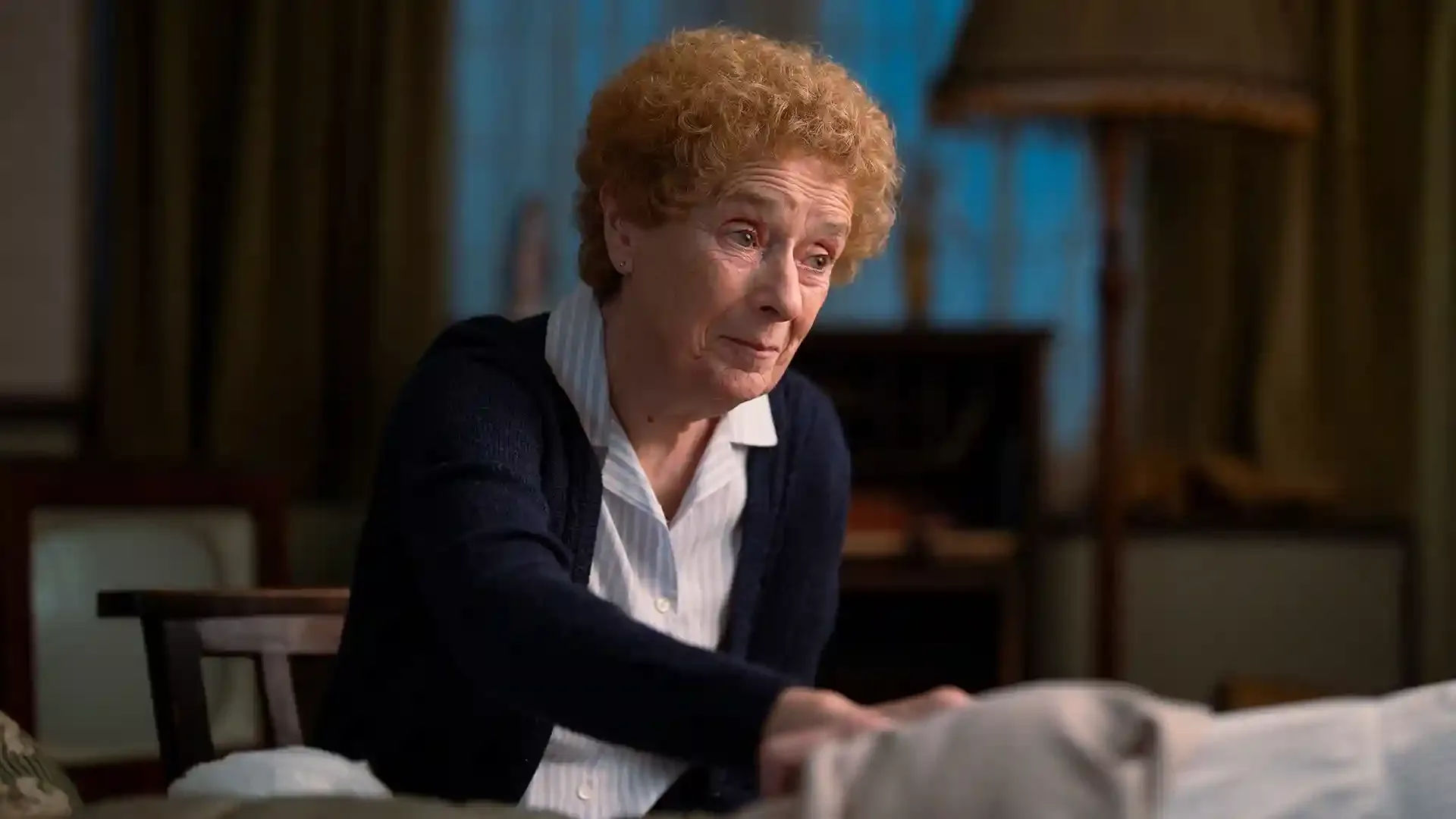
Ruth initially felt like her mother-in-law, Aisha, was far too overbearing. Ruth had mentioned that her own mother left their family when she was young, so having a doting mother-in-law was very foreign territory for her.
Aisha so badly wanted to be a part of her daughter-in-law’s birth, knowing that a mother’s love and support can be critical during this major life transition. Although Ruth resisted having Aisha present for the birth or continuing to help out in her early postpartum days, Aisha never stopped reaching out.
The love she had for Ruth was as if Ruth was one of her own children. Aisha sensed that something was off with Ruth, even though Ruth was insistent that she was fine enough to go out on a walk alone with the baby.
Sometimes, it’s hard to admit that your family might know you better than you know yourself. Aisha stealthily followed Ruth on her walk, and it turned out, if Aisha hadn’t been there, Ruth may not have survived.
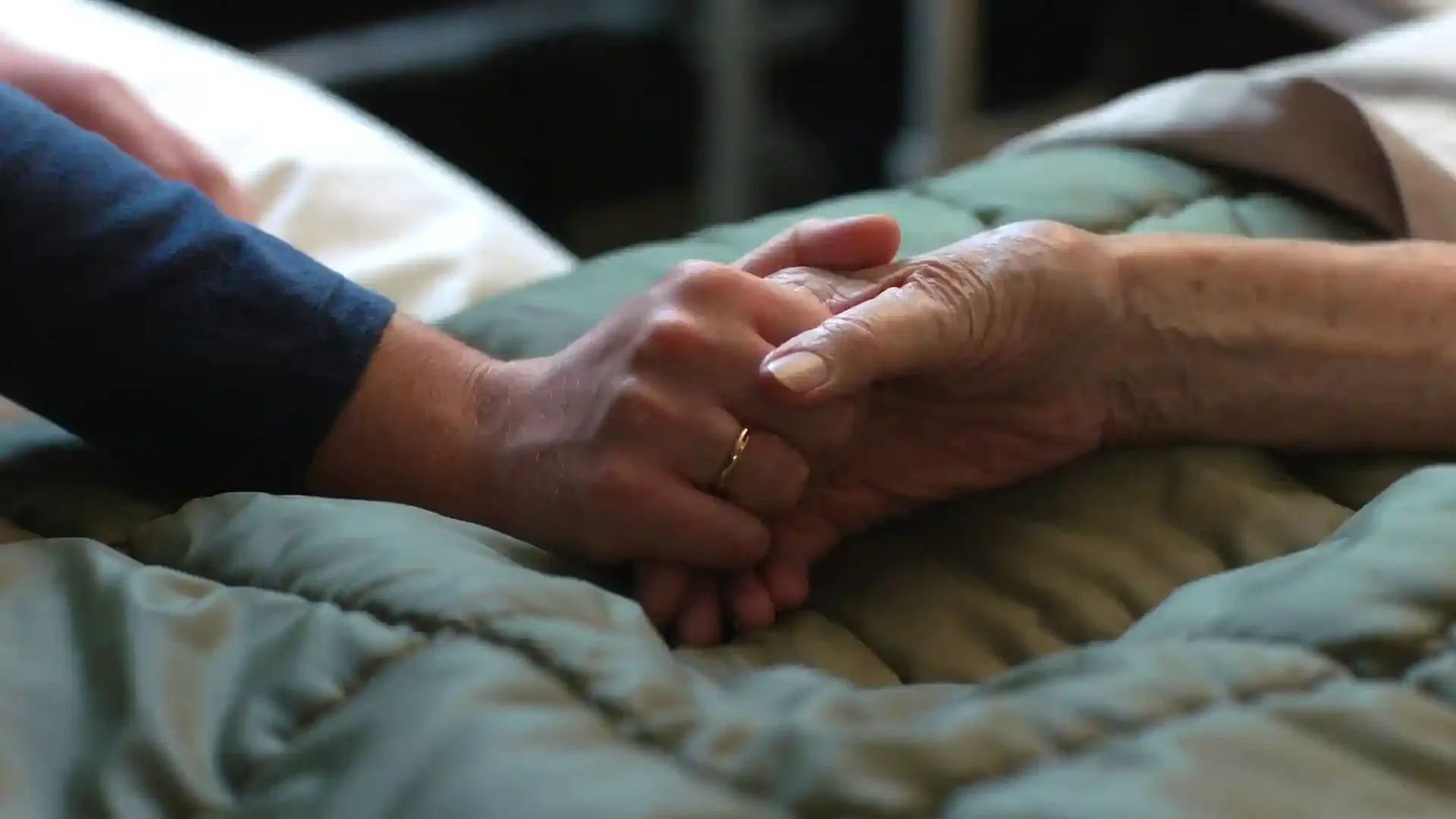
Ruth had postpartum preeclampsia, and because of Aisha’s quick thinking and assistance, narrowly avoided progressing into eclampsia and having seizures. Because of this mother’s love, Ruth was going to be able to watch her son grow up.
This episode showed the duality of our work: the devastating tragedy of the Barrowman family alongside the life-saving experience of Ruth and Aisha Kahn. It also reminded me that while midwives are extremely skilled practitioners, it’s the relationships we form with our patients and their families that set us apart.
This episode showed the power of those relationships — whether that’s a GP who knows every face in town, or a mother-in-law who knows her daughter-in-law well enough to sense when something is wrong.
Even in a busy practice, I still feel those relationships form with my patients. Having 20 midwives in a group might feel impersonal compared to the tight-knit group of Nonnatus midwives, but it doesn’t stop us from forming the connections that midwifery care is so well-known for.
I think our modern midwifery practice also helps us protect our peace, and reminds us that we don’t have to carry the weight of this work alone.