Catch-up on Season 15 with PBS Passport
Modern Midwives Blog
When you work in healthcare, the words you choose are never just “semantics.” They are clinical tools that can be as significant as any medication or procedure. The language used to describe a patient’s condition, explain treatment options, or discuss a case with colleagues sets the tone for the entire care experience.
Communication is arguably the most important skill of a successful healthcare provider. When it is clear and empathetic, it builds a foundation of safety and trust with patients. When communication is overly clinical, devoid of emotion, or feels rushed, it can actually create barriers to healing.
In episode 4, we met Molly Robbins. She works at the local school and has been having some significant back pain. More concerningly, she had a few instances of urinary incontinence.
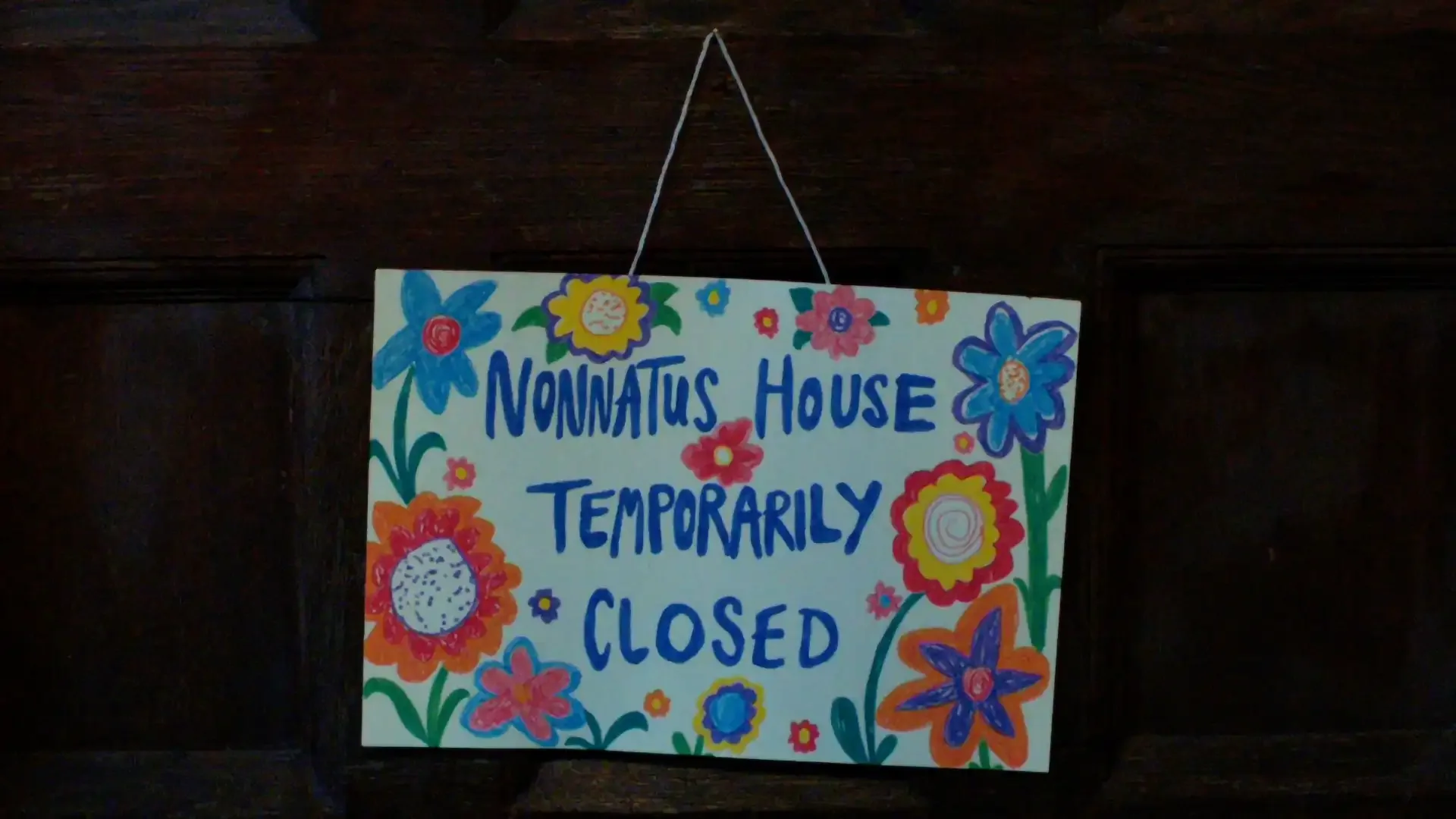
Because of the sensitive nature of her symptoms, Molly was too embarrassed to seek medical care. However, after her back pain became severe enough that she could not get out of bed, her husband Edwin called Dr. Turner.
Seeing a doctor was a big step for Molly. Almost as much as she was worried about explaining her symptoms to a doctor, she was worried about the potential diagnosis. In the 1970s, “the big C,” or cancer, was a very scary diagnosis. We didn’t have the knowledge or treatment options that are available today, so cancer was almost always thought of as a death sentence.
Dr. Turner is usually a glowing example of how healthcare providers should communicate with their patients. He had felt a mass during his examination of Molly. She was immediately terrified and wanted to know right away if it was something bad.
Dr. Turner didn’t lie. He didn’t falsely reassure her or suppose it was something serious; he just stated the facts — that he couldn’t really make a guess on it until she had more testing. Molly would likely need an operation to remove the mass, and it could be sent to pathology to determine exactly what it was.
I’ve noticed over the years that Dr. Turner always speaks very respectfully to his patients and always remains professional and kind when speaking about them to colleagues. Even when he is overwhelmed with a large patient load, or faced with a complex or urgent case, he remains calm, which helps keep everyone else calm.
He had a way of reassuring Molly that she was in good hands, and that regardless of the results of her testing, the knowledge would help her move forward, and they could work on a plan of care if needed.
I think this went a long way with her agreeing to go to the hospital and to have the operation. She trusted her doctor.
Molly is booked in for surgery at St. Cuthbert’s, where she is cared for by Joyce. I’m sure it felt reassuring to see a familiar face, as the midwives work as district nurses as well.
During Molly’s surgery, the doctors discover a lithopedion, or “stone baby.” This is a very rare condition that happens when a fetus dies during an abdominal (type of ectopic) pregnancy.
Because the fetus was several months gestation, it was too large to reabsorb into the mother, so the mother’s body calcified it, essentially turning the baby into stone. This calcification protects the mother’s body from infection.
Molly had a perfectly preserved stone baby in her abdomen for years, just now finally manifesting symptoms.
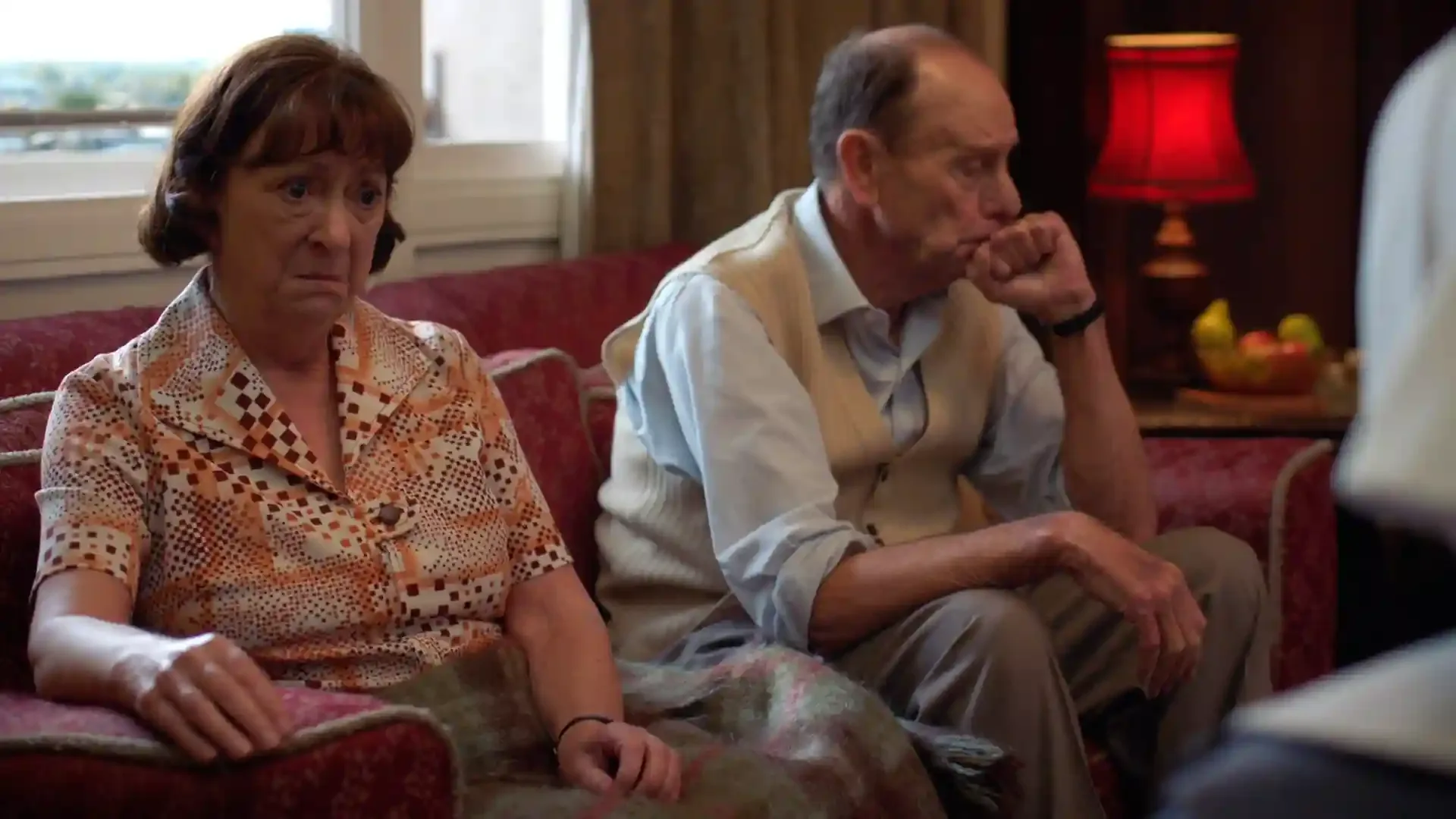
Molly is completely blindsided by this news. Of course, it’s wonderful news that Molly doesn’t have a tumor or cancer. However, Molly and Edwin had always wanted children. To their knowledge, she had never even had a miscarriage or even gotten pregnant at all. This stone baby, their only baby, brought up such intense emotions that they thought were behind them.
To make matters worse, Molly overheard several medical students and doctors discussing her case and mentioned needing to see “the monster.” Molly was distraught to hear the staff speaking about her baby this way.
I cannot imagine the pain of knowing that you were carrying your only baby inside you for years, and now you hear medical staff carelessly reducing a most beloved child into a medical oddity: a monster.
Joyce does react with anger when she hears the doctors discussing the lithopedion in this term. She mentions that it was an outdated medical term, and it was highly insensitive of them to use it. I wasn’t so sure, so I did a little research.
Apparently, it is a term used by 16th-century French surgeon Ambroise Paré to describe congenital anomalies or “unnatural occurrences.” Even so, the term was extremely inconsiderate to be used at the time. Speaking about Molly’s baby while she is right there in such derogatory terms was atrocious.
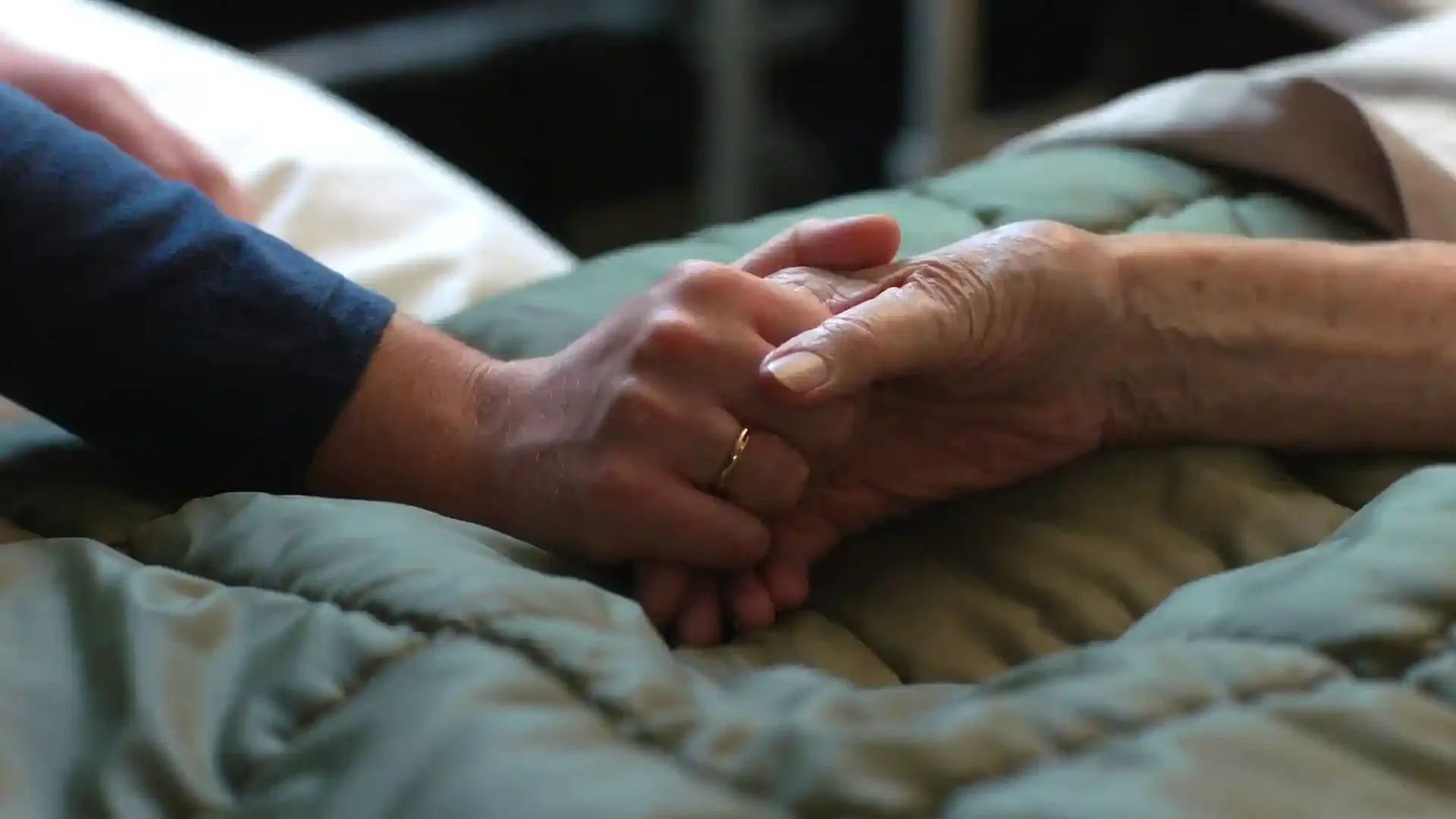
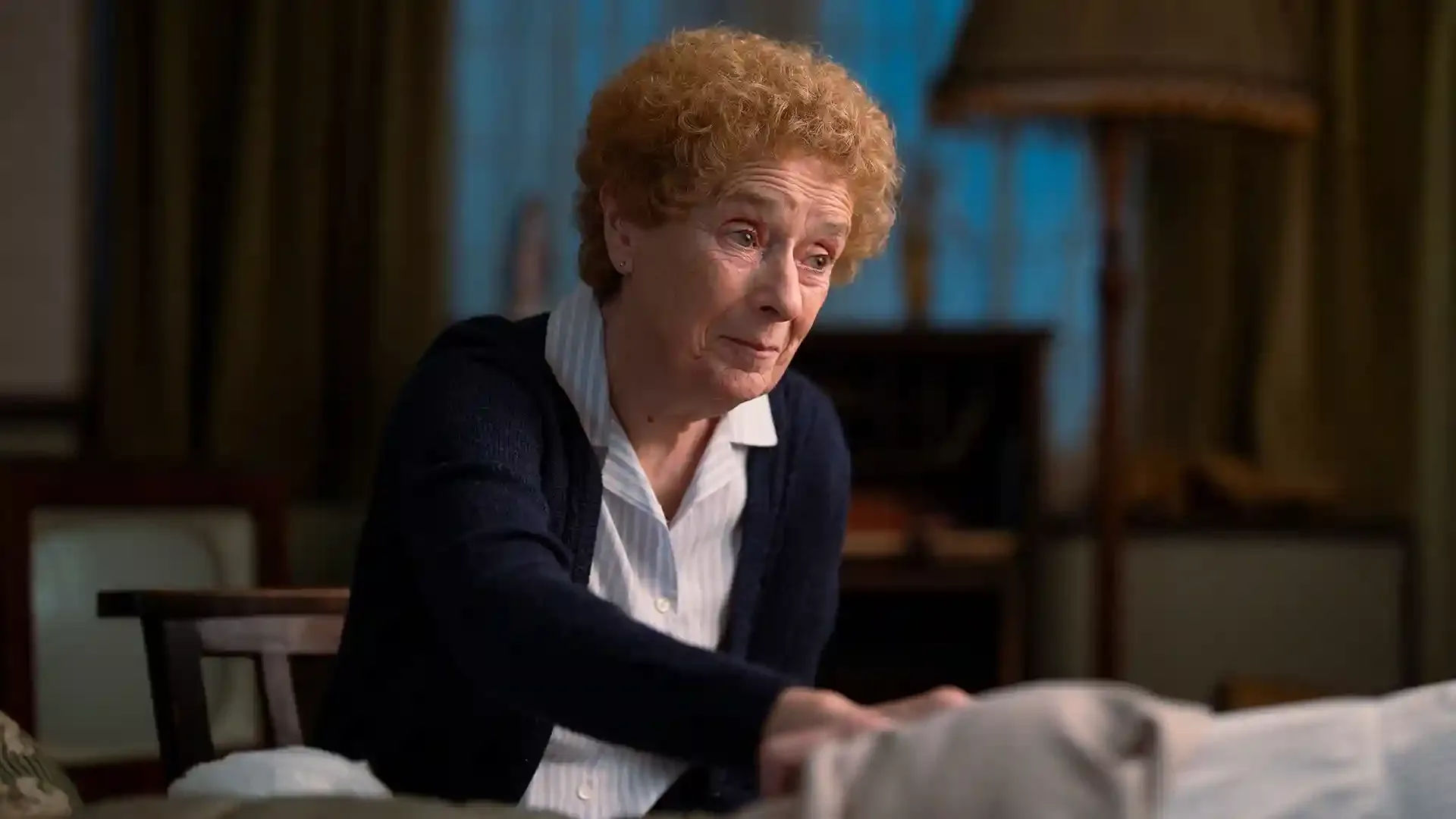
I’m so grateful to Sister Veronica for sitting and listening to Molly and Edwin as they explained their sorrow and anger over the reactions of the doctors. It was so important that she advocated for them to be able to see their baby and put to rest all of the fears and uncertainty about what they might see.
It turns out that what Molly and Edwin saw was their perfectly preserved baby, all these years later.
I have cared for several women whose babies had been diagnosed with significant developmental anomalies. I have cared for women whose babies are born far too early to survive. I have never once looked at those babies and thought of them as monsters. They are someone’s child.
It is so important that we acknowledge their baby, their motherhood or parenthood, and even ask what the baby’s name is so that you can speak about them by name.
Ultimately, the way we communicate with our patients is the heart of our midwifery practice. Of course, proficiency in clinical skills and medical expertise are the bones of any good nurse or midwife, but communicating with kindness, empathy, and truthfulness is the reason that nursing is one of the most trusted healthcare professions.
By choosing words that respect a patient’s dignity, we do more than just provide a service; we honor the profound trust placed in us during some of life’s most vulnerable moments.