


Related Show: Alma's Way
Creating a Family Routines Chart


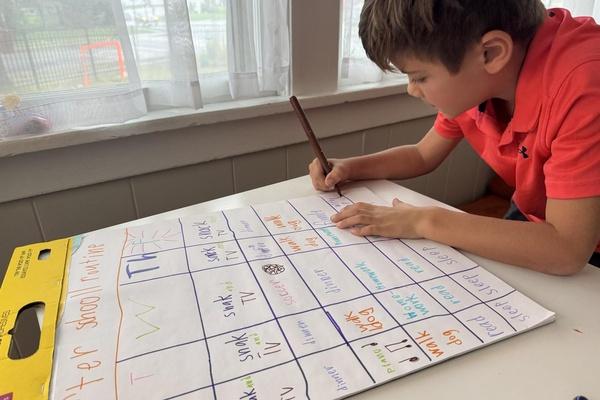
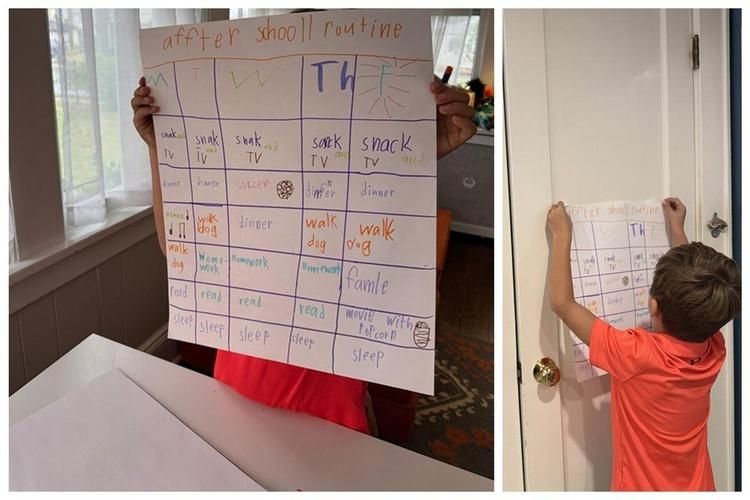
When Alma and her family need to change their plans because her brother, Junior, isn’t feeling well, they come up with a new plan for the day. There’s always a lot happening in family life, but when a family member is ill or needs extra care, routines that often keep life on track may need to change. One way to help children navigate this is to talk about it! Creating a family chart for routines can be a fun way to encourage open communication and collaborative problem solving while meeting the needs of your family’s daily or weekly routines. Here’s how to make one:
Materials
Directions
Gather your materials. Explain to your child that you are going to make a chart about family routines and ask how they would like to help write, draw, and decorate the chart.
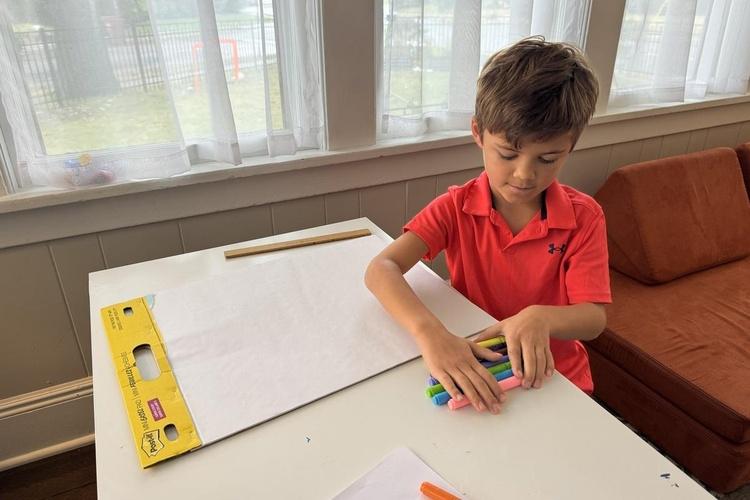
Draw columns for each day of the week. Do you want to make a routine chart for the whole day or a specific time of day such as mornings, after school, homework, dinnertime, bedtime, or weekends. Let your child decorate the top of each column with pictures. Your child could also design a symbol for different routines or activities like school supplies, bedtime storytime, etc.
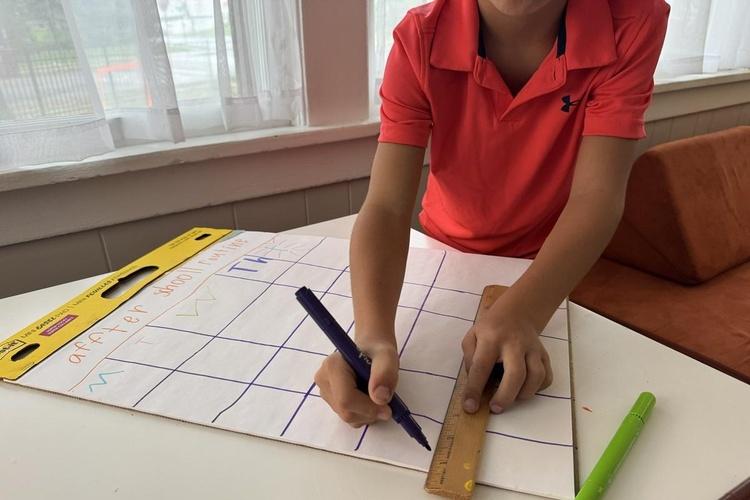
Fill in your chart by selecting one daily routine that goes well. Write in the chart what you do in that routine, outlining each step of the routine in a simple way. What step comes first, second, and third? Who is responsible for each step?
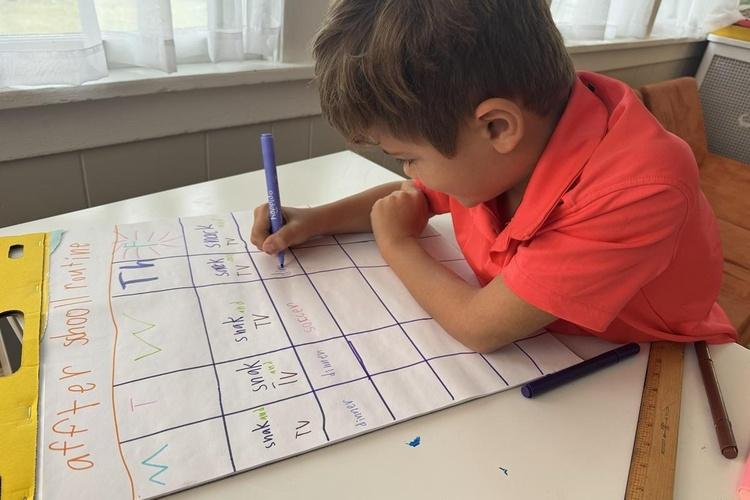
Next talk about what routines could be improved. First, talk about what’s working well for that routine. Then talk about what might make that routine even better.. If you outline each step of the routine, it might be easier to think about which steps need improvement.
Ask “Are there routines that feel challenging or could be smoother if we work on it together?” When discussing what’s challenging about the routine, parents/caregivers might model open communication by using an “I” statements. For example, “I feel frustrated when we are running late for swim lessons because I know your instructor wants to get started on time. I know we can figure out a better way to be on time.” Ask each person to express how they feel in an “I” statement about the routine you’ve chosen. When a person shares, be sure they know that their feelings are heard and valued.
Then, you might ask:
- “What can we do as a family to help meet everyone’s needs and consider everyone’s feelings?”
- “What can we look for to understand how someone might be feeling?”
- “Everyone’s job is important, and we all help in different ways. How can we plan our routine so that each person understands their part?”
Take the time you need to discuss. Keep track of your great ideas so that they can be incorporated into your plan. Remind children that they can ask questions about daily routines anytime, especially when they are wondering what’s happening because the needs of a family member may be changing. This could also be a time for children to express how the changes make them feel.
Continue adding routines to the chart paper or posterboard, listing the routines step-by-step. Note who is responsible for each step. When finished, you might create a care team cheer to rally around and use when you need it!
It can feel good to make a plan for your family’s daily and weekly routines. Just as important though is to take time to have open communication. Be sure to let your children know when these routines may change so that they know what to expect. If changes bring challenges or frustrations, children need to know that you will support them. This can help children learn how to communicate and work through their frustrations in ways that are respectful and accepting of all feelings.
For more resources on caregiving, visit the Many Ways to Show You Care collection.

Many Ways to Show You Care is a multi-platform content initiative for children ages 2-6, their families, and caregivers. The collection explores the many ways children show they care for members of their families, while offering supportive resources for educators, families and caregivers through storytelling, hands-on activities, and short-form media.
 Author:
- Activity Type
- Craft