
Everyday Ways to Strengthen Your Child’s Problem-Solving Skills


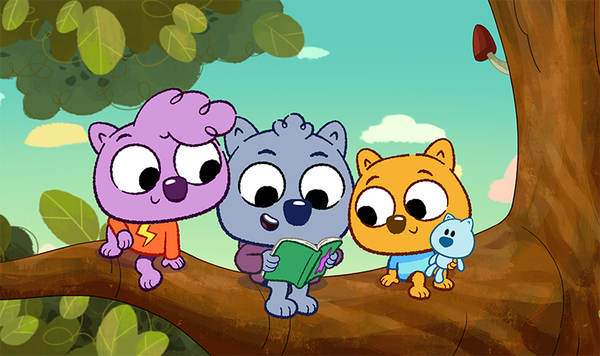
“When there’s a problem, what do we say? Where there’s a will, there’s always a way” sing wide-eyed wombat siblings Zadie, Malik, and Zeke in the theme song of the new PBS KIDS animated series, “Work It Out Wombats!”
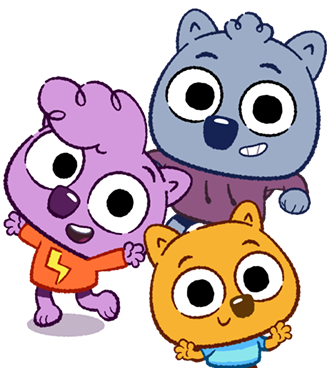
The Wombats love exploring, creating, and solving daily childhood problems. Zadie uses her active imagination to brainstorm exciting ideas involving rockets, motorcycles, and skyscrapers. Malik interprets her ideas into plans they can actually make happen. Zeke explores big feelings (like excitement and disappointment) with his trusty stuffed animal companion Snout. They live with their Grandma Super, an all-around handy person. She stays busy caring for all who live in the Treeborhood, a multicultural, tight-knit apartment complex inside a tree.
As I watch episodes unfold with my children, I recognize some of what goes on in my own home in the show. “Work it Out Wombats!” helps young kids work out their problems through relatable storytelling and sticky catchphrases. For example, I know my daughter is working it out like a wombat when she’s saying, “Step it out, step it out!” while making her breakfast.
The Wombats learn that the ideas bubbling up from their curious minds can come to life if they work together. And when they face problems — either as a group or individually — Zadie, Malik, and Zeke find that they can tackle the toughest of challenges with a little planning, teamwork, and the occasional helping hand! The Wombats show preschoolers that even if they don’t get things right the first (or fourth) time, they just keep trying, adjusting, and retrying and it’ll happen!
Here are three ways you can help your child work it out like the Wombats:
1 Think through ideas.
In one episode when the Wombats want to start a helping business, Zadie thinks they should build a skyscraper with Wombats’ name on it for their office. Malik says, “Or we can use our old lemonade stand!” By building on what they already have, Malik is able to show Zadie that their plan is doable in the moment, rather than waiting on having a skyscraper made. He’s also showing Zadie that by starting small, they can help their idea grow. This moment reminded me of when my daughter wanted to build a city, and I said, “Great! What can we make it out of that would fit on our table?” Big ideas are amazing and fun to dream about — but so is actually being able to follow through. Encourage your child to think big — and then help them think through how they will accomplish their goal. Remind them about how they achieved a similar goal or give them options of tools to use that you have available.
2 Try again.
You can help your child try again when things don’t work out the first time. Sometimes I want to protect my kids from life’s struggles for as long as possible. But failing and trying — again and again — is part of the process. Supporting your child in accepting and embracing failure will help them bounce back when things don’t work the way they’ve hoped. Saying, “That’s OK, you tried!” lets your child know that everybody messes up and gives them a confidence boost to try again. Help your child think about what went wrong. For example, you can ask your child, “What happened when you tried the first time? What do you think you can do differently next time?” Go back over the steps to see if they missed any (or if a step needs to be changed). In “Snout’s Wash Day,” when Malik’s attempts to wash a very stinky Snout go awry, he goes back over the steps Grandma gave him, adjusting and retrying until Snout comes out smelling fresh and clean.
3 Work together.
Working with others can help make a job go faster or more smoothly. In “Hopping Helpers,” the Wombats realize that they are in over their heads when there is no way they can bottle Mr. E’s Ooey Gooey Goo fast enough to meet the deadline. Together, they figure out the steps they need to take to make a job go faster — and they realize they need more help. While they often work collaboratively together to solve problems, the Wombats decide to reach out to their neighbors in the Treeborhood to get the help they need. This episode demonstrates to preschoolers that including others and taking turns can lead to accomplishing a task on time and more efficiently.
Watch “Work It Out Wombats!” for free on the PBS KIDS Video App and on your local PBS station. Engage with the characters, watch clips, and play games on PBSKIDS.org. Learn more about the show and find fun activities on pbs.org/parents.
 Author:
Follow the adventures of Malik, Zadie and Zeke in their fantastically fun Treeborhood.