
11 Picture Books That Teach About Neurodiversity


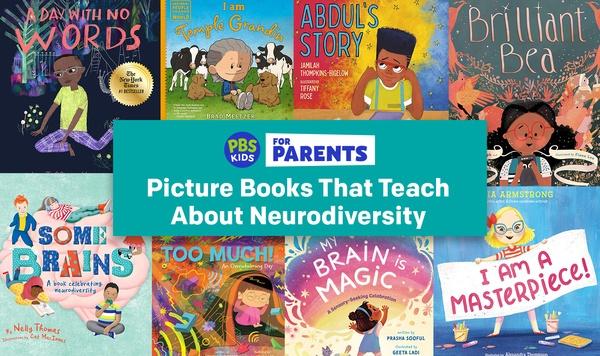
When I was younger, I knew my brain worked differently. There wasn’t a term for it (or at least I didn’t know it), but I often had trouble focusing on one thing for too long. Although I was quick to acquire new skills, boredom and anxiety settled in frequently, which left me abandoning lots of activities for new ones.
Our brains process information differently. Neurodiversity refers to how people’s minds experience and interact with the world around them. Being neurodivergent might include anxiety, dyslexia, dyscalculia, autism, attention-deficit/hyperactivity disorder (ADHD), or other neurological, developmental, or emotional differences.
I’m glad there’s more research and awareness of what it means to be neurodivergent. There is no “right” way that the brain works, but it’s a good idea to talk to your children about these differences so that they are understanding and compassionate about the many ways our minds function.
Watching inclusive programming that celebrates neurodivergent minds — like Carl the Collector — and reading books are great ways to help children understand neurodiversity.
Here are 11 picture books that teach children about neurodiversity:
I am Temple Grandin(opens in new window)
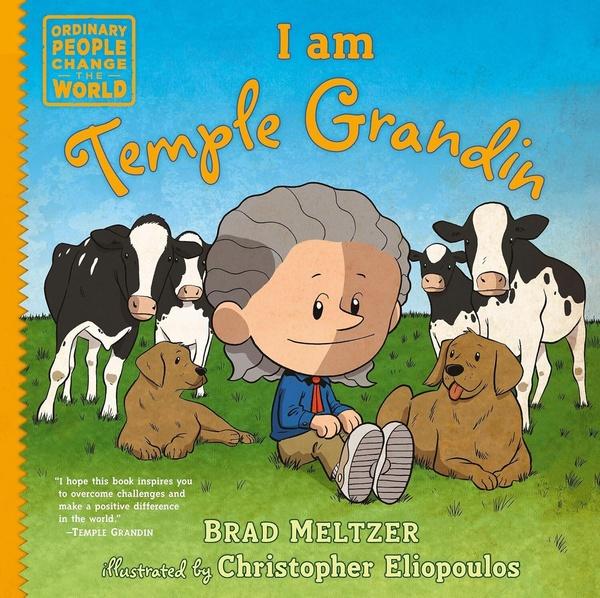
This book is from Meltzer’s bestselling biography series and tells the real-life story of autistic scientist Temple Grandin. This book is a great companion to the “Xavier Riddle and the Secret Museum” episode featuring Temple Grandin.
Too Sticky: Sensory Issues With Autism(opens in new window)
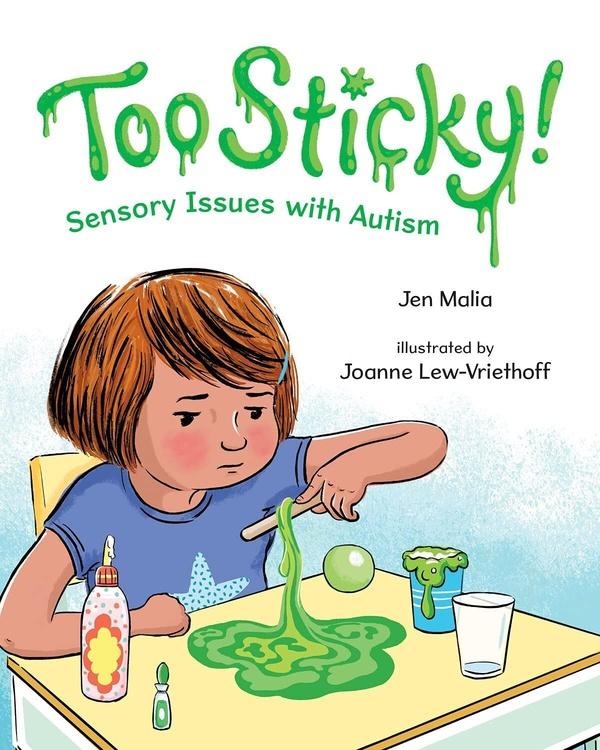
Although Holly loves science experiments, she’s unsure how she’ll feel about making slime because slime is sticky! Holly’s family and teacher help her find accommodations, and she learns that slime isn’t so bad after all. What’s great about this book is that the author is a neurodivergent parent of three neurodivergent children, making this an essential “own voices” story to add to your collection.
A Day With No Words(opens in new window)
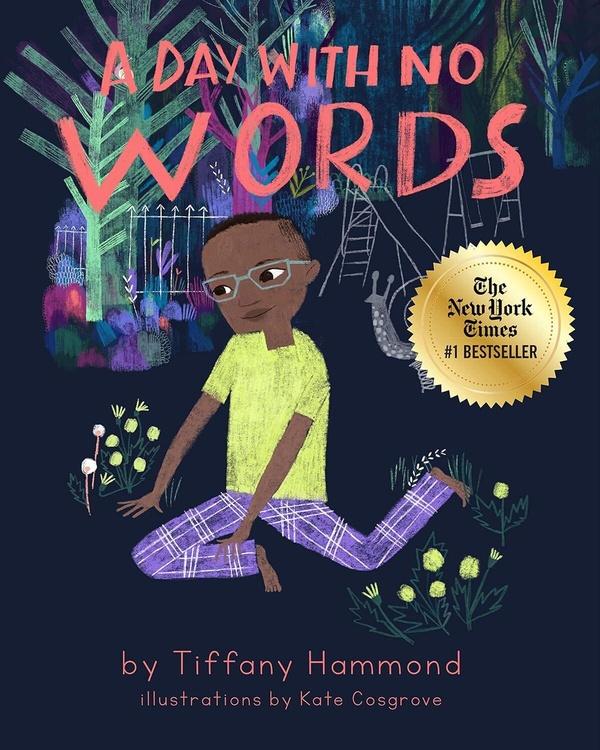
Spend the day with a mother and her autistic child who both use a tablet to communicate with themselves and others. This beautiful book, written by a mother of two autistic sons, reminds kids that not all communication is verbal — and that it’s okay.
Wonderfully Wired Brains(opens in new window)
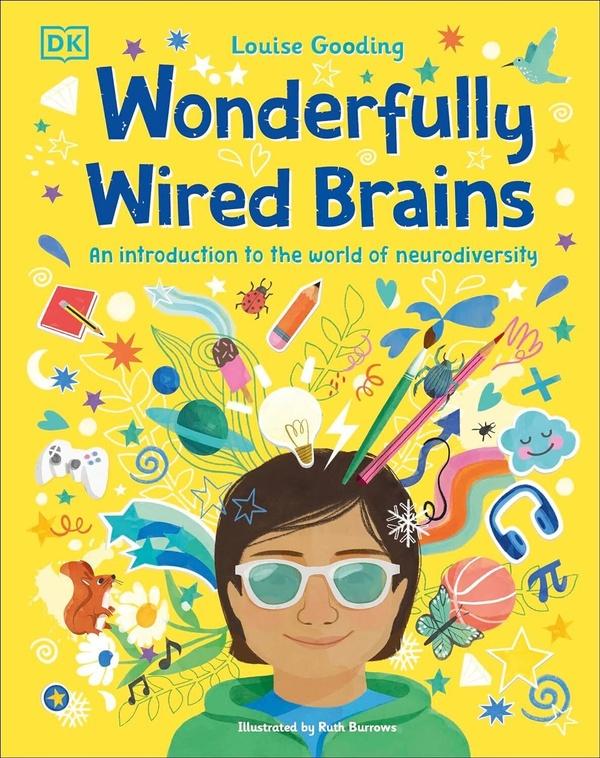
If you’re looking for a fun way to introduce neurodiversity to your children, this book is fantastic. The content is easy to understand and informational. It is a teaching guide to help young readers understand concepts through science, history, and fun facts. Written by a neurodivergent author, this inclusive book is also available in an audiobook.
Some Brains: A Book Celebrating Neurodiversity(opens in new window)
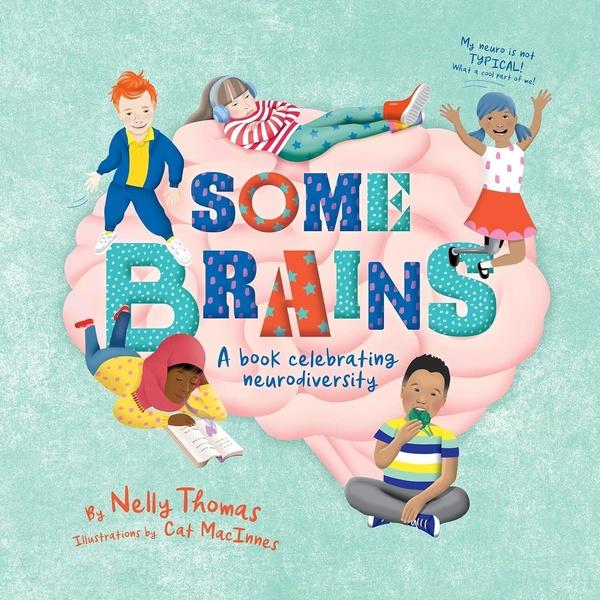
Let’s celebrate neurodiversity! This book does just that. “Some Brains” encourages readers to examine the strength and power of having a wonderfully unique brain! Additionally, McInnes filled the pages with vibrantly inclusive illustrations so that children actually see the beauty of our diverse world. With affirmative messages like “Love me just as I am,” this book has so many examples of what it means to be neurodivergent.
Brilliant Bea(opens in new window)
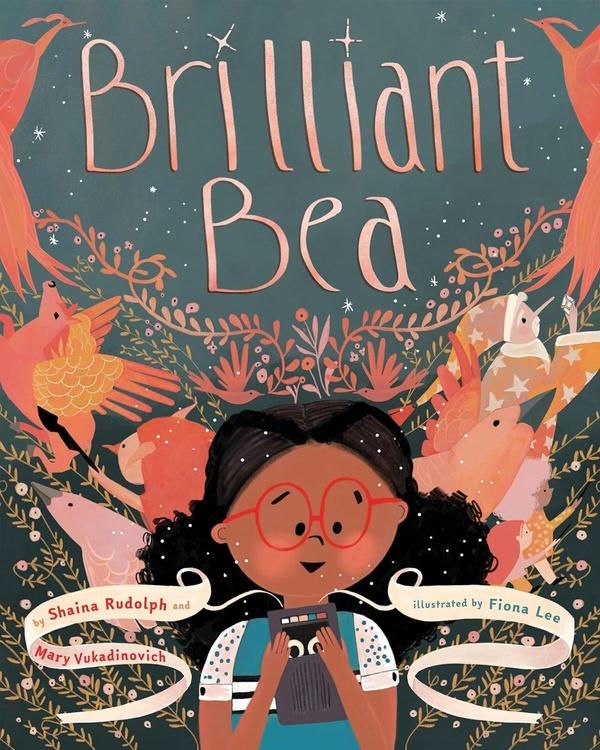
Beatrice uses a tape recorder to tell stories because she can speak her words and say them back. She is dyslexic and shows her classmates how using a tape recorder helps her learn and keep stories. “Brilliant Bea” is set in EasyReading, a dyslexia-friendly font.
Too Much: An Overwhelming Day(opens in new window)
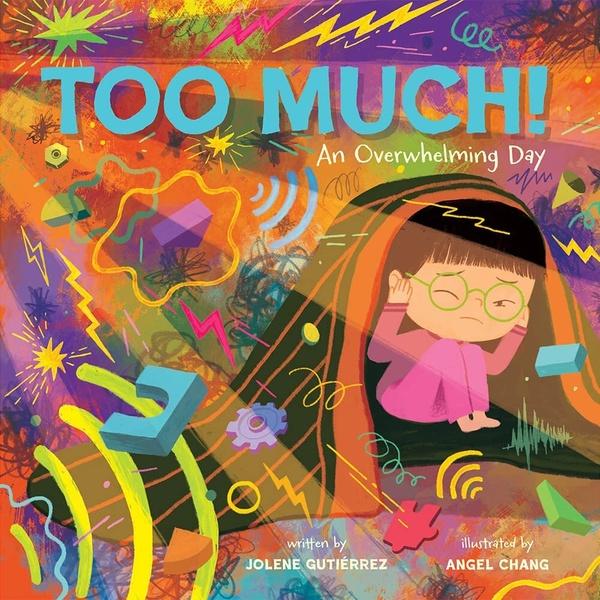
Sometimes, children have sensory sensitivities. Readers learn that it’s OK for things to get too loud, too bright, or too messy. The illustrator does a wonderful job of bringing the author’s words to life. Bold colors show the many feelings that can arise during short periods throughout the day. It gives children, and adults alike, a practical sense of what being overstimulated actually looks and sounds like.
My Brain is Magic: A Sensory Seeking Celebration(opens in new window)
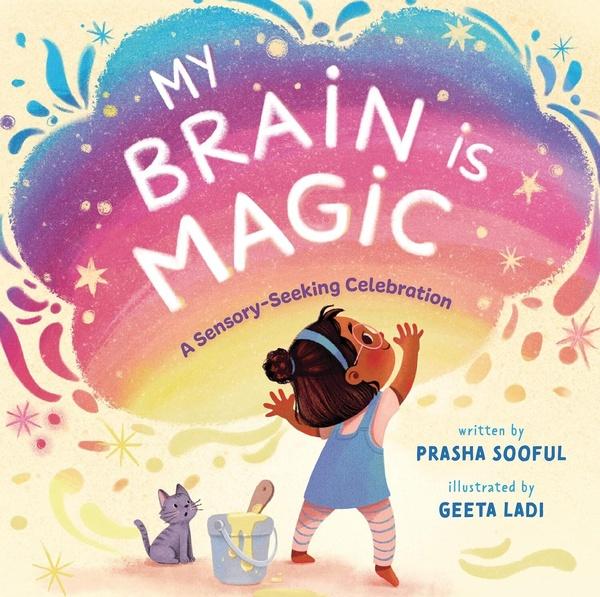
A sensory-seeking child describes and celebrates their wonderful life in this book that highlights sensory processing and neurodiversity in a positive way for children to enjoy. Through the power of magic and imagination, different animals and insects represent sensory scenarios. The book includes a note for parents that shares ways they can help make sure their children’s sensory needs are met.
I am a Masterpiece!(opens in new window)
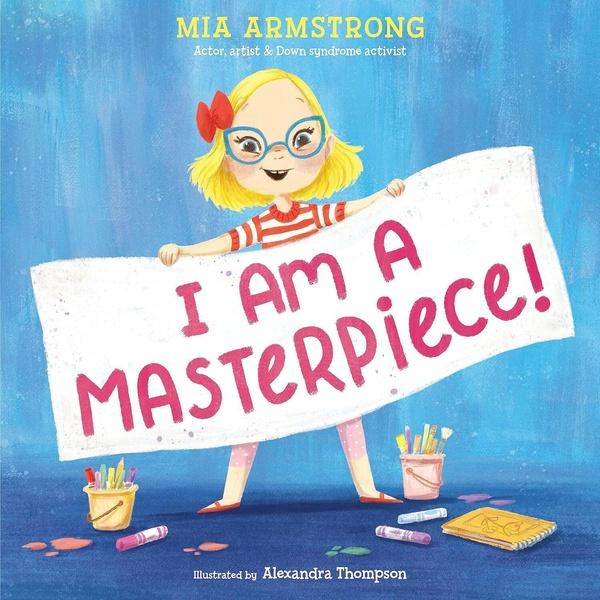
Actor, artist, and Down Syndrome activist Mia Armstrong wants young readers to know that having Down Syndrome is her superpower. Being neurodivergent doesn’t make her any different from anyone else. She loves going to the beach, drawing, and enjoying time with her family.
Abdul’s Story(opens in new window)
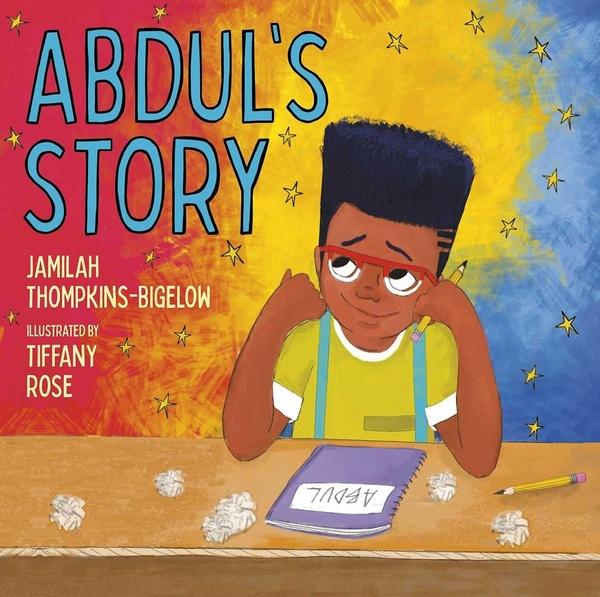
Abdul loves writing and wants to be an author! But he becomes discouraged because his letters and words aren’t straight. With the help of a guest speaker whom he admires, Abdul learns that no matter how he writes, there is always power in his pen.
A Kids Book About Neurodiversity(opens in new window)
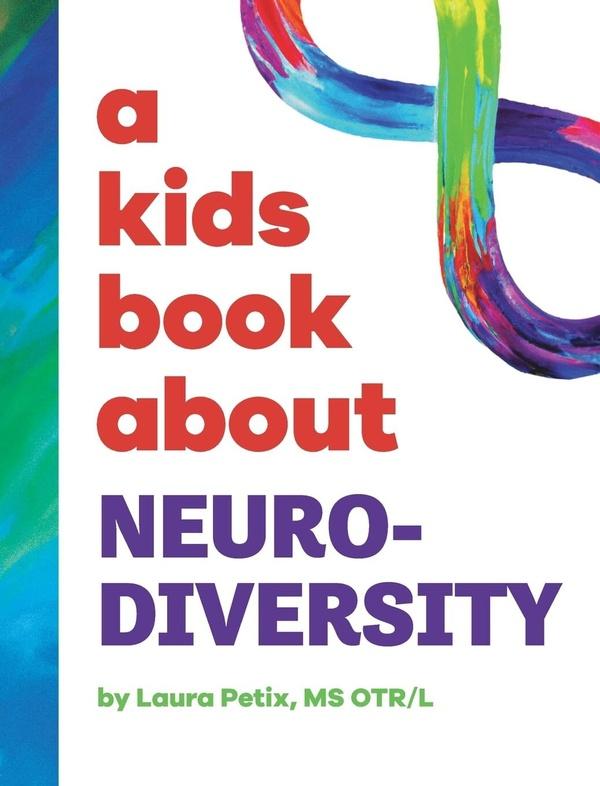
This book is lightly illustrated, but it is a great informational text for kids explaining how neurodiversity makes our world beautiful. Like many other books in this media company, “A Kids Book About Neurodiversity” is a conversation starter for the entire family, teaching all who read the importance of celebrating our unique brains.
 Author: