
12 Books to Excite Your Child’s Mathematical Imagination


Few things are better than curling up next to a loved one and listening to a good story. Read aloud time helps kids develop positive feelings about books, strengthens their vocabulary and helps them understand the world around them. That world includes math: numbers, patterns, shapes, measuring, spatial reasoning and basic operations.
As Peg + Cat shows us, delightful stories are one way to teach kids about math.
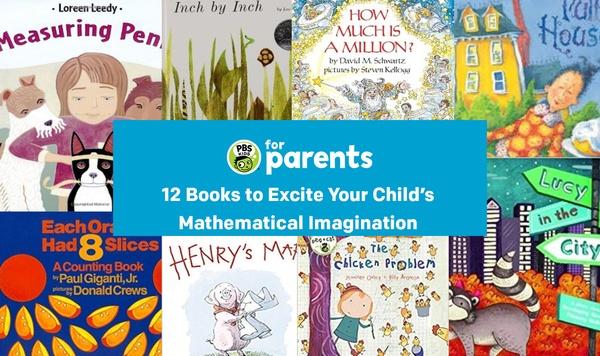
Here are a few picture books that skillfully weave in mathematical concepts, offering a simple way to excite children’s imagination while increasing their comfort level with math.
The Chicken Problem(opens in new window)
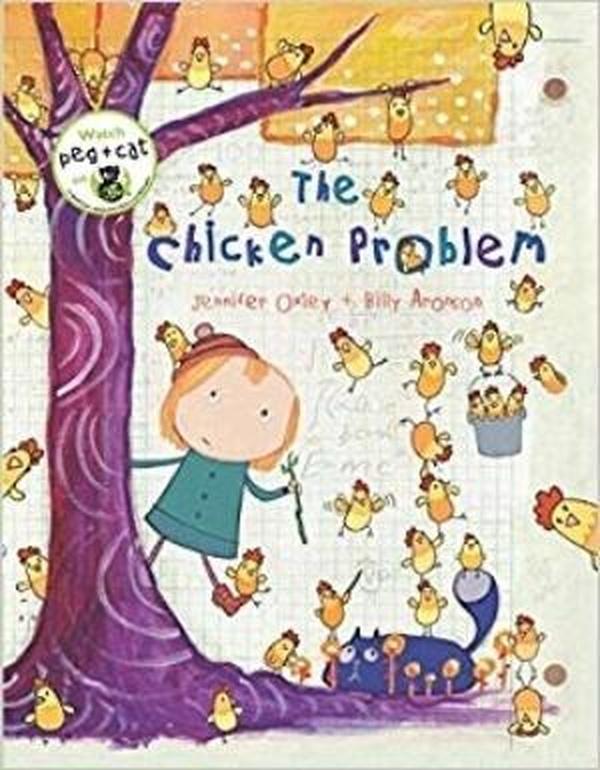
When someone leaves a chicken coop open and the chicks run amuck, it's up to Peg and Cat to use their math skills to help solve their poultry predicament. Check out other Peg + Cat books including, The Penguin Problem, The Lemonade Problem, and The Pizza Problem.
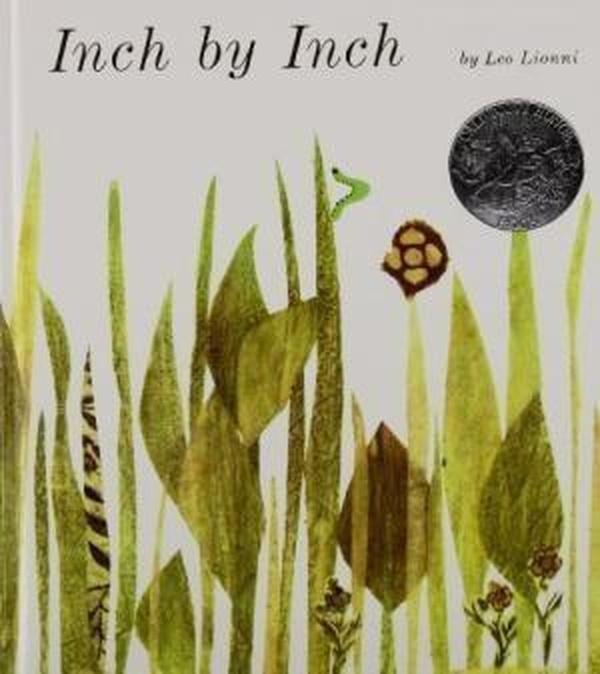
In this Leo Lionni classic, a little inchworm enjoys measuring everything he comes across in nature. But when a hungry nightingale asks him to measure her song — or be eaten! — the little worm has to think quickly.
Henry’s Map(opens in new window)
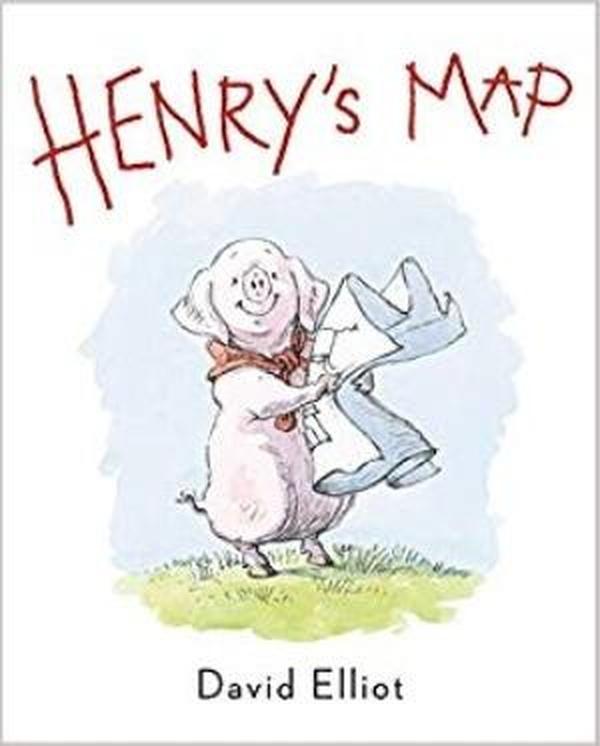
Henry is a very tidy and particular pig who believes in “a place for everything and everything in its place.” This leads him to make a map of the farmyard — a map that he ultimately needs to find his way back home after the day’s adventure.
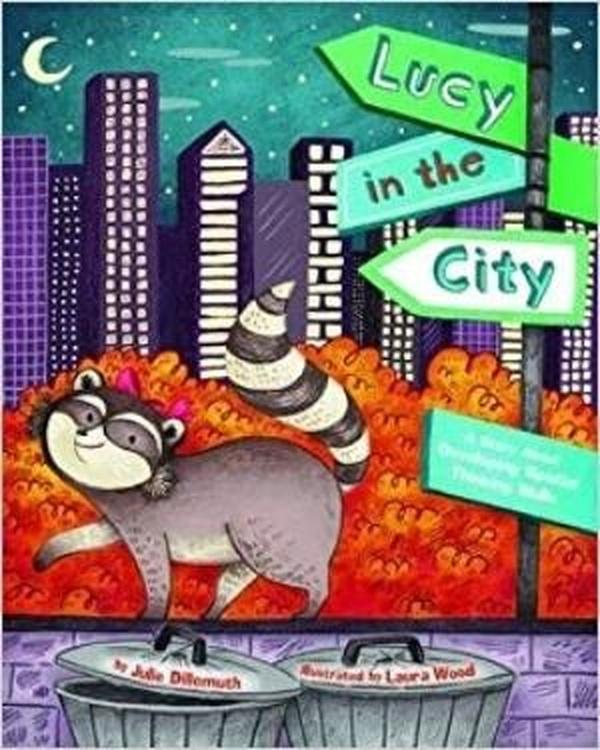
Lucy the Raccoon is lost and needs to find her way home. This book introduces three mapping concepts: interpreting a bird’s-eye view map, paying attention to one’s surroundings and retracing one’s steps. The end of the book includes a resource section that offers additional parent-child activities that support spatial reasoning.
Measuring Penny(opens in new window)
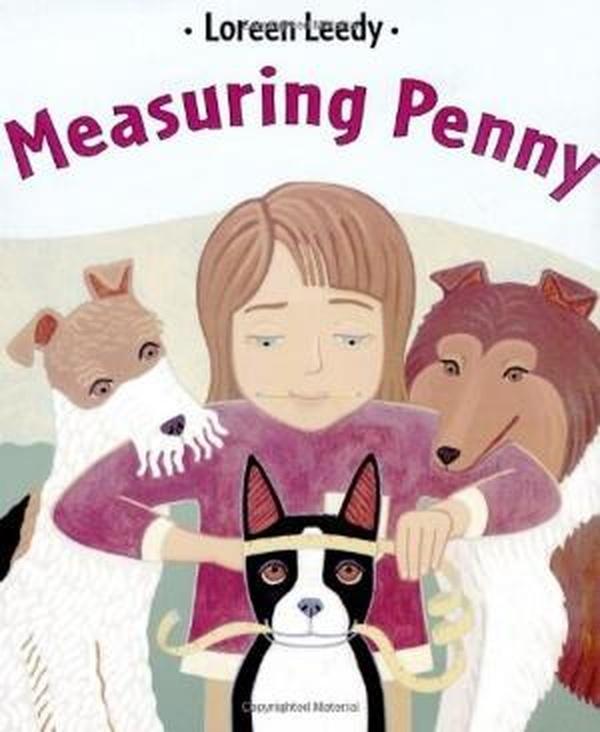
Lisa’s homework assignment is to measure an object in multiple ways — and she chooses to measure her dog, Penny. This delightful story introduces children to basic measurement concepts, including standard units (inches, feet, yards, meters, cups, gallons, pounds, minutes), nonstandard units (paper clips, bricks, pencils) and relative size (larger than, smaller than). In Mapping Penny’s World Lisa sets out to map Penny’s room, yard, the neighborhood and park, introducing kids to key spatial vocabulary and concepts, including keys, symbols, scale and labels.
How Much Is a Million?(opens in new window)
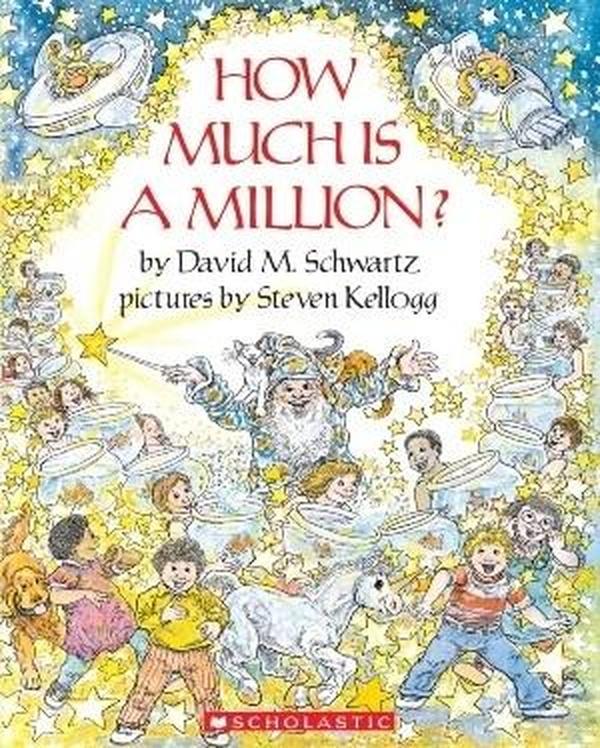
It’s really hard for young children to conceptualize large numbers. This book offers concrete ways to visualize one million. For example, “If you wanted to count from 1 to a million, it would take you about 23 days.”
Each Orange Had 8 Slices: A Counting Book(opens in new window)
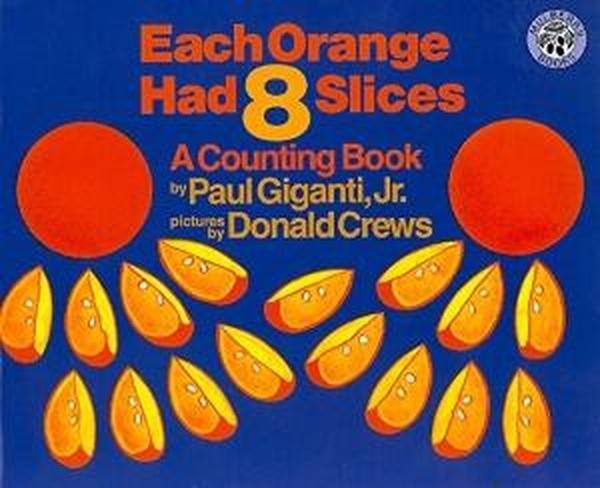
This vibrantly illustrated counting book also introduces the concept of multiplication. For example, “On my way to Grandma’s I saw 2 fat cows. Each cow had 2 calves. Each calf had 4 skinny legs.” How many cows, calves and legs in all? That’s the challenge for young readers to figure out together.
Jim and the Beanstalk(opens in new window)
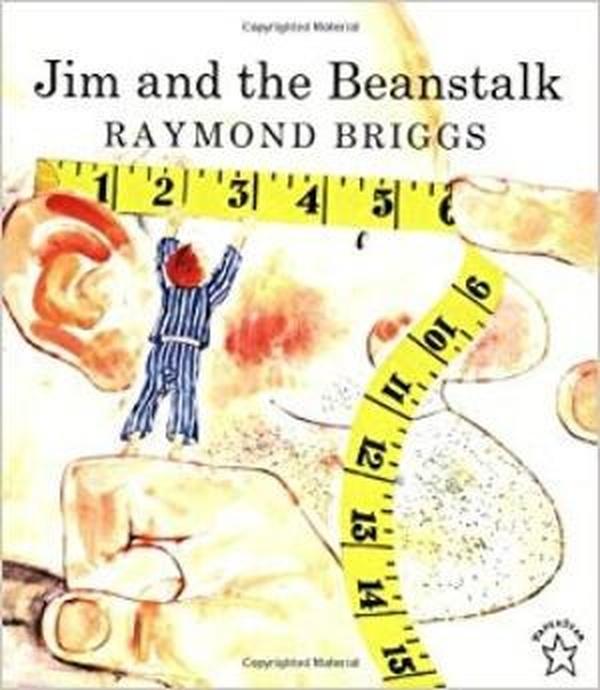
When Jim wakes up one morning and discovers a beanstalk outside his window, he climbs it and discovers an elderly giant in need of new glasses, a wig and false teeth. In order to help him, Jim needs to do some measuring!
The Greedy Triangle(opens in new window)
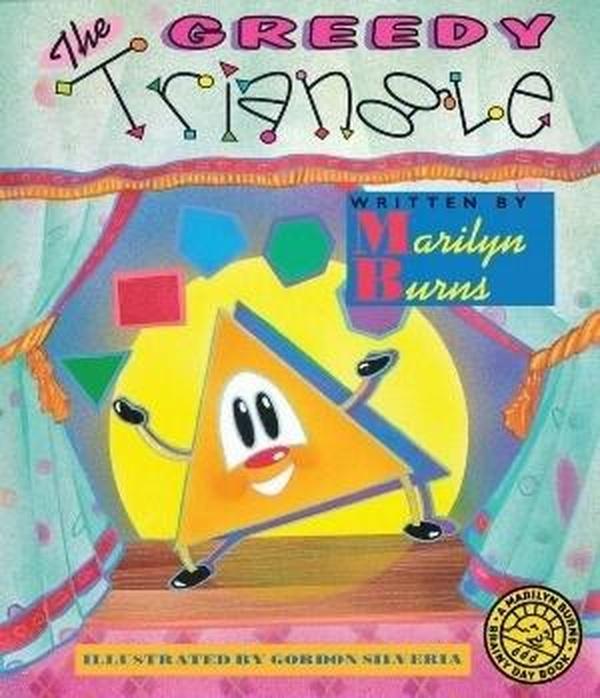
Triangle is sick and tired of only having three sides. So he asks a shapeshifter for help. First he becomes a quadrilateral, then a pentagon, then a hexagon . . . and on and on until he realizes that he was happy with his original three sides and three angles.
The Doorbell Rang(opens in new window)
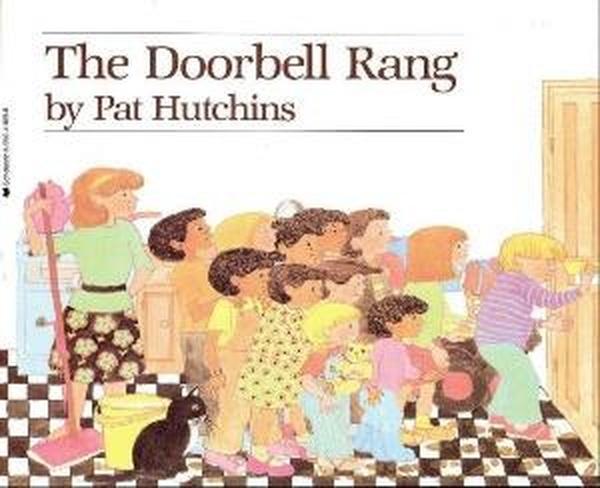
Sam and Victoria have a dozen cookies to share with friends, but when the doorbell keeps ringing and ringing, they have to figure out how to divide the cookies evenly. A great introduction to both division and creative problem-solving!
One Hundred Hungry Ants(opens in new window)
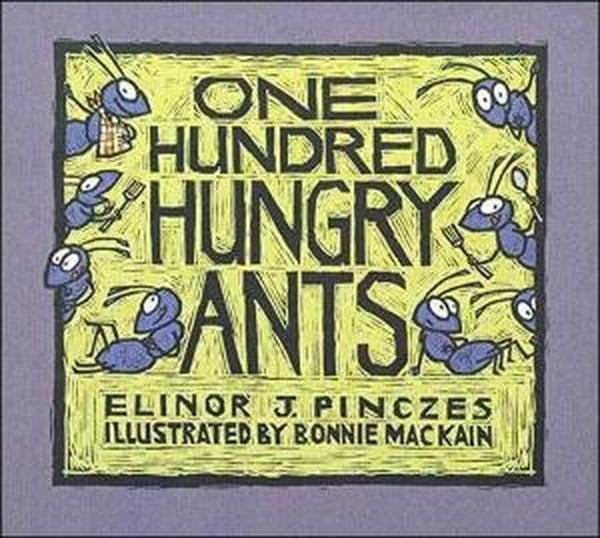
One hundred ants march single file to enjoy a picnic, but the straight line is traveling too slowly for the hungry ants in the back. Should they march in two lines of 50? Four lines of 25? A wonderful visual introduction to division.
Full House: An Invitation to Fractions(opens in new window)
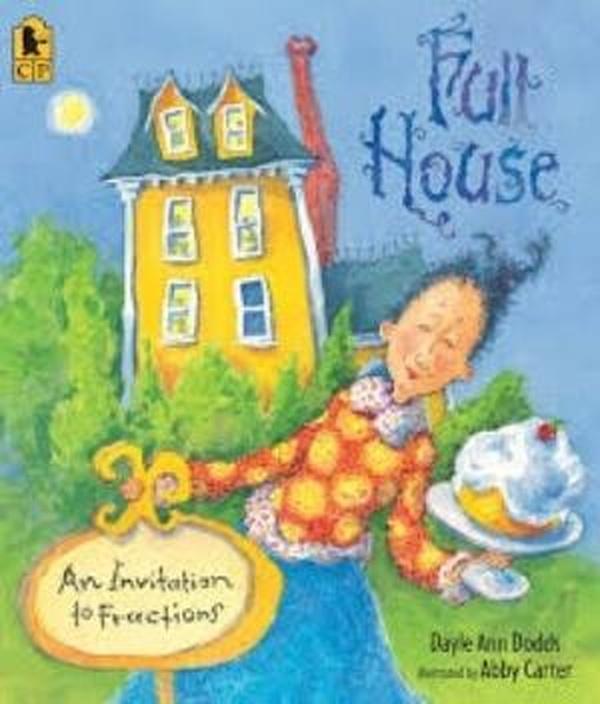
As Miss Bloom welcomes visitors to Strawberry Inn, they slowly fill up her six guest rooms (1/6, 2/6, 3/6). Then, in the middle of the night, she discovers all of her guests in the kitchen trying to figure out how to divide up one delicious cake for a midnight snack.
 Author:
Peg and Cat go on music-filled adventures and use math to solve Really Big Problems.