
7 Ways to Connect Kids to Their Family Heritage


My father would have turned 80 this year. He never got to meet my two kids, and as they grow older I think a lot about how to help them feel connected to their Grandpa Jim.
This year, we decided to celebrate his birthday by doing something he loved: eating dinner at a local clam shack. As we ate burgers, fried clams, and ice cream, I told my kids “Grandpa Jim stories.” He was a scientist who studied bugs, I said, and when we went on camping trips, we almost always spent time trapping fruit flies for his lab.
Yesterday, two months after this dinner conversation, my 4-year-old said, “I saw a fruit fly at preschool today! Grandpa Jim loved fruit flies! I like them, too.”
I grew up hearing family history stories — immigration stories, pioneer stories, orphanage stories, Great Depression Stories, holiday stories, farming stories, sickness stories, and courtship stories. These stories were foundational to my sense of identity. Hearing about their struggles and triumphs inspired me and made me feel a little stronger by association.
As it turns out, I’m not alone in this feeling. Researchers found that kids who know a lot about their family history tend to be more resilient in the face of challenges. In fact, knowing about family history was a strong “predictor of children’s emotional health and happiness.” Now that I am a parent, I realize that it’s up to me to pass on these stories and share experiences that will help my kids feel connected to their family history.
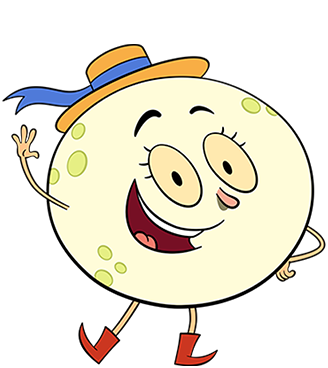
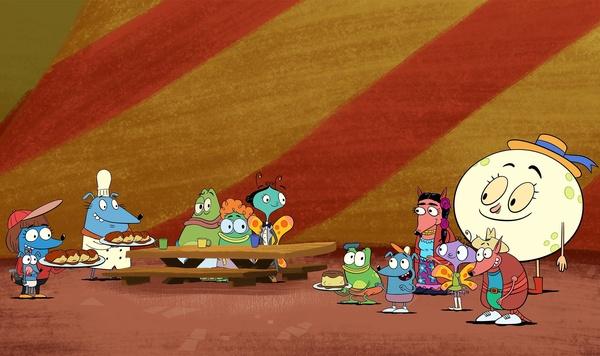
Let’s Go Luna!, a new series on PBS KIDS, reminds us of the tangible ways we can talk about and celebrate family history. When Luna and her three young friends visit a new place in the world, they having fun exploring the region’s food, music, landscape, language, stories and traditions. These are the little (and big) things that create community and culture.
You can use these elements from the show to help your child feel connected to your family’s cultural history.
Share Stories: Look for moments to share stories from your childhood with your kids. They will love hearing about the ups and downs of your growing up years. In an interview with PBS KIDS, author Brene Brown said, “When we share our stories of vulnerability and imperfection with our children, we teach them that it is possible to be brave and afraid at the same time — in the same moment. When one of our kids is struggling, Steve and I try to tell them a story about one of our similar struggles when we were their age.” Think about your favorite family tales, jot down a list, and work your way through them. At holiday time, if you gather with family, encourage other relatives to share stories with your kids!
Try a Recipe Together: Food is a great connector. In Let’s Go Luna!, Leo’s dad, Wolfgang, is the chef for the circus, Circo Fabuloso. Leo and his dad both love exploring new cultures through food, like when Wolfgang teaches Leo how to use chopsticks to eat in China. Grab a family favorite recipe and as you cook with your kids, talk about your memories. If you don’t have any go-to family recipes, look up a recipe that reflects some aspect of your family’s culture and try it out!
Look at Photos and Videos: Occasionally pull out old photos or family movies and explore them together. Your kids will love seeing what you looked like when you were their age. Details in the photos will naturally lead to conversations. When the Let’s Go Luna! trio are in Mexico City during the Day of the Dead, Carmen writes a song to celebrate her grandmother. Carmen shares a photo of her abuela with her friends and tells the story of how she now plays her grandmother’s guitar.
Put Up Pictures: If you have some dear relatives (or family friends) who live far away or who have passed away, consider keeping pictures of them in your home. Kids will naturally ask, “Who’s that?” and it will give you a chance to tell them more.
Interview a Relative: Kids love to ask questions. Help your kids develop some interview questions to ask a relative. One day when my kids were asking me about farm life, I suddenly remembered that we had an expert in the family: Grandma grew up on a ranch! Through FaceTime, Grandma gamely fielded a dozen questions about milking cows, gathering eggs, making butter, and riding horses. Both grandma and grandchildren were delighted by the exchange.
Embrace Holiday Traditions: Kids love holiday traditions, and if these annual rituals happen to be connected to your family history, culture, or religion, these fun activities can become a way of linking children to something larger. If you don’t have any strong family traditions, you can start some! Ask friends about some of their favorite and pick one that fits your family. Get inspiration from Luna and friends when they learn all about unique gift-giving traditions around the globe in Let’s Go Luna: Christmas Around the World.
Check the Map: Teach family history and geography skills at the same time. Just like Andy, Carmen and Leo ask the Magic Globe to learn more about the city they’re visiting, you can pull out a map of the United States and locate important places: where you live now, previous places you have lived, where you have family and friends. Pull out a world map and find countries that play a role in your family’s story.
Note: If your child adopted, this offers some additional layers of possibilities and sensitivities. Nefertiti Austin, an adoptive mom, shared some thoughts and helpful links about this topic in her article “Navigating Family Heritage Assignments with Adopted Children.”
 Author:
Three friends, Leo, Carmen, and Andy, traverse the globe with their guide, Luna the moon.