
Children’s Books for Building Friendships


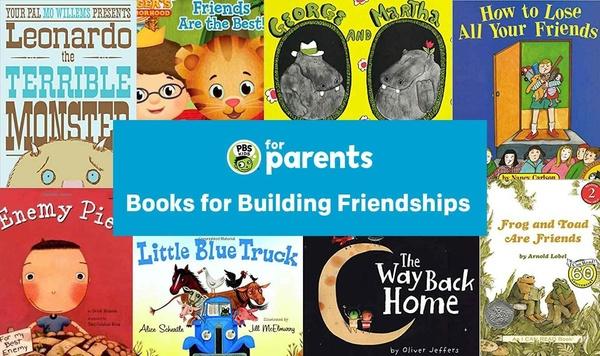
August 2nd is National Friendship Day, so grab a friend or make a new one and remember the adventures, the squabbles and the hugs. Whether they’re next door or in outer space, true friends are never far apart. Celebrate the friends in your life with this selection of books on friendship for kids ages 0 to 9.
Bob and Otto(opens in new window)
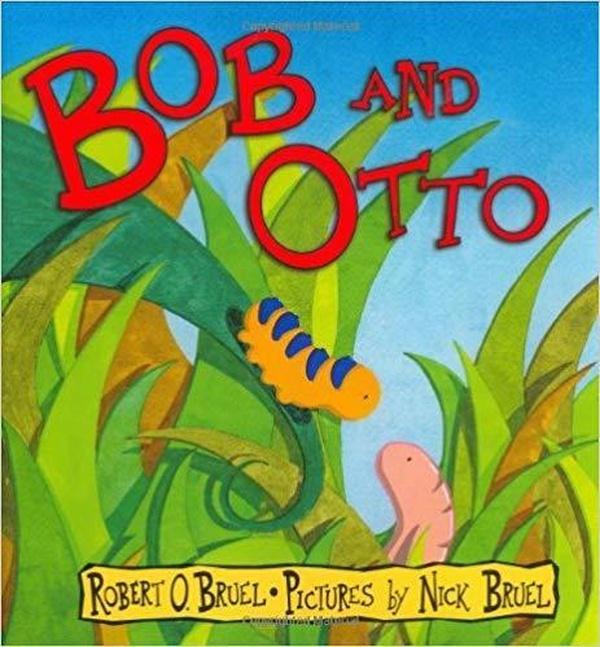
Bob and Otto are two very different friends. Bob’s a tree-climbing caterpillar, and Otto’s a ground-munching earthworm. When the day comes for Bob to begin building his cocoon, these two friends begin to wonder if their friendship will survive such a huge change—or if friendships really can transcend lifetimes.
Enemy Pie(opens in new window)
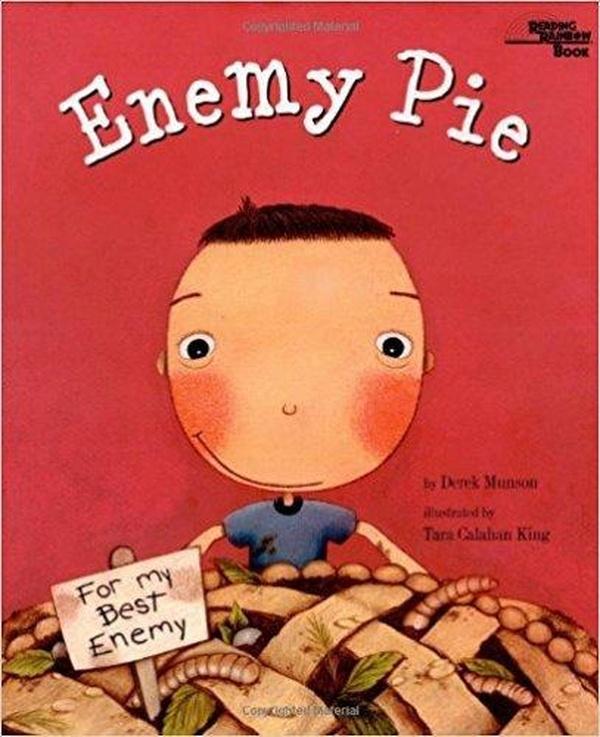
A young boy must learn to survive the new bully who moved in down the street. A forced play date and some delicious recipes inspire new ways to turn enemies into buddies. Keep your friends close, and your future friends closer.
Friends Are the Best!(opens in new window)
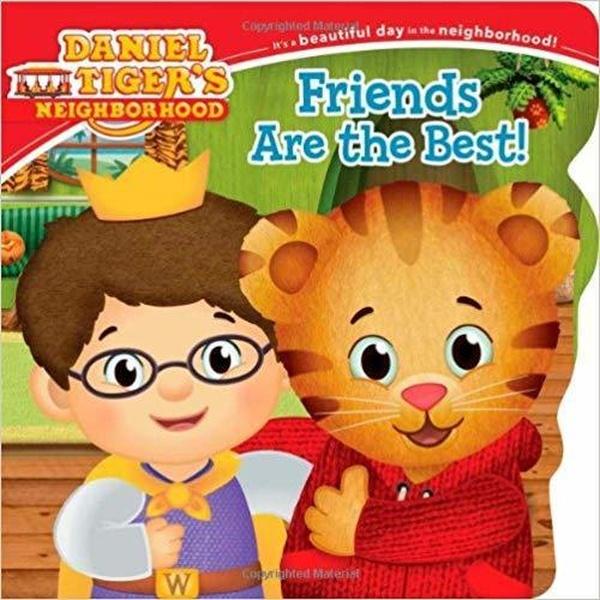
Daniel Tiger and Prince Wednesday reflect on their friendship in this book based off the television series Daniel Tiger’s Neighborhood. Turn-taking, beach adventures and what it means to truly be a friend are all explored as Daniel and Wednesday sort through photos of their pasts. Fans of the show will enjoy sharing their own memories with the characters.
Frog and Toad are Friends(opens in new window)
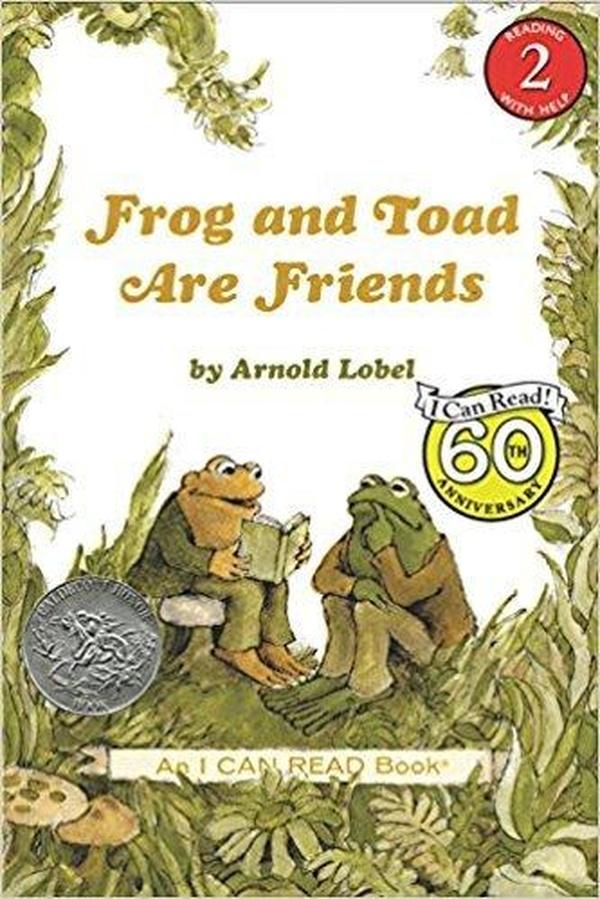
Frog and Toad may not always get along, but they never would have experienced so many adventures if they had never met each other. This collection of five stories focuses on friends just being friends, and that it doesn’t matter if you’re short or tall or green or blue or have big eyes or eat big flies—all that matters is that you care about each other.
George and Martha(opens in new window)
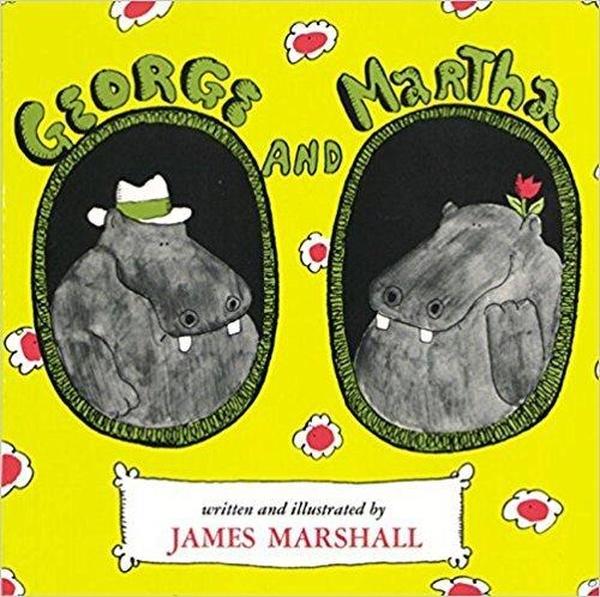
This collection of five short stories follows George and Martha, a pair of hippos who humorously live together. The two confront common roommate issues like, “How to tell Martha that George doesn’t like her pea soup” and other silly, but relatable scenarios. The cartoony drawings and whimsical tales are endearing enough to keep readers turning the pages.
How to Lose All Your Friends(opens in new window)
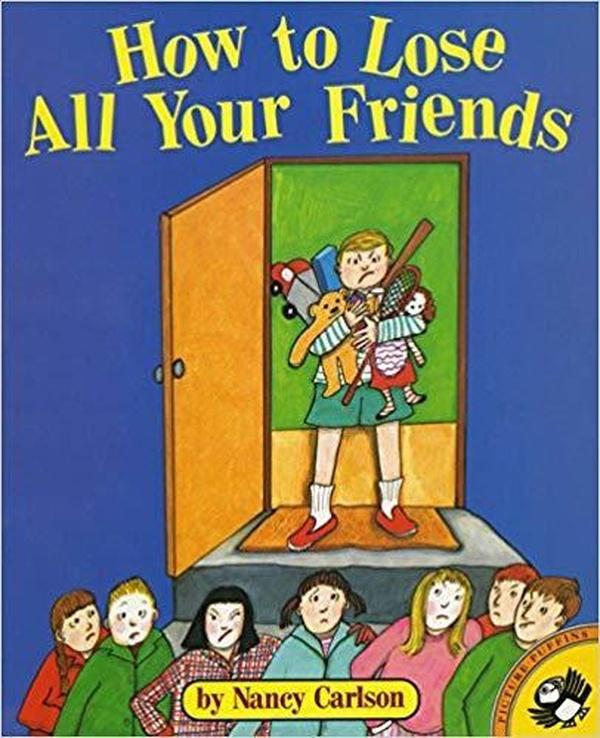
The book is more of a guide on what not to do if you want to keep your friends. It warns against never smiling, never sharing and overall disrespecting the people who care about you. The words are simple enough for kids of all ages to understand, but the accompanying illustrations also help the more visual learners identify common friendship mistakes.
Leonardo, the Terrible Monster(opens in new window)
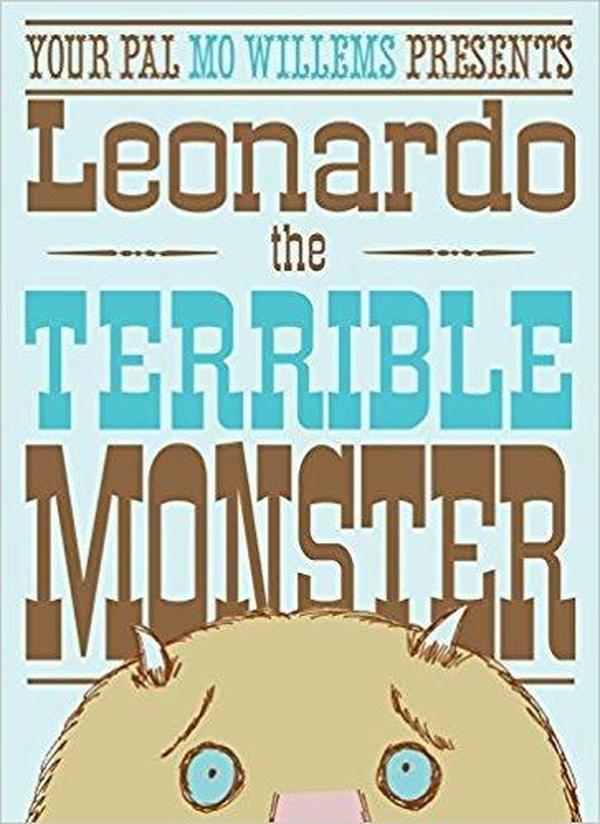
Leonardo’s a terrible monster because he’s so awful at scaring people. After trying and failing, Leonardo practices being a monster until he finally scares a young boy. But it’s only when he succeeds at being a monster that Leonardo realizes how lonely he truly is without someone to spend time with.
Little Blue and Little Yellow(opens in new window)
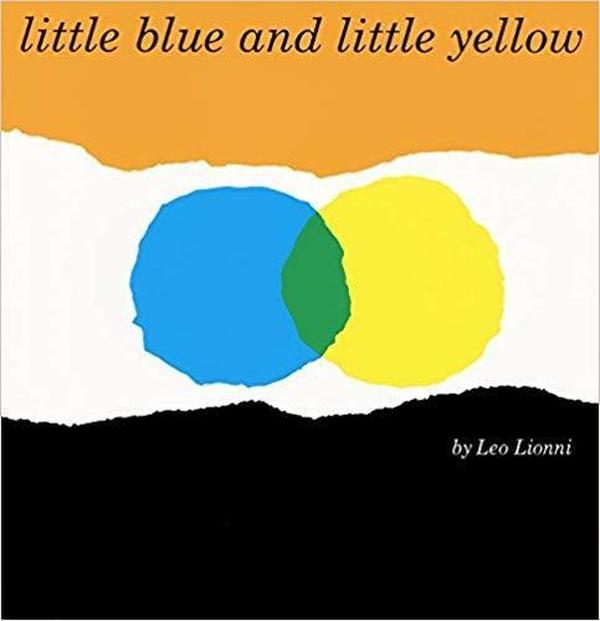
These two colorful circles get along great, but when they hug they lose each other behind the new, green circle. This simple story about losing and finding friends is also a great way to learn colors.
Little Blue Truck(opens in new window)
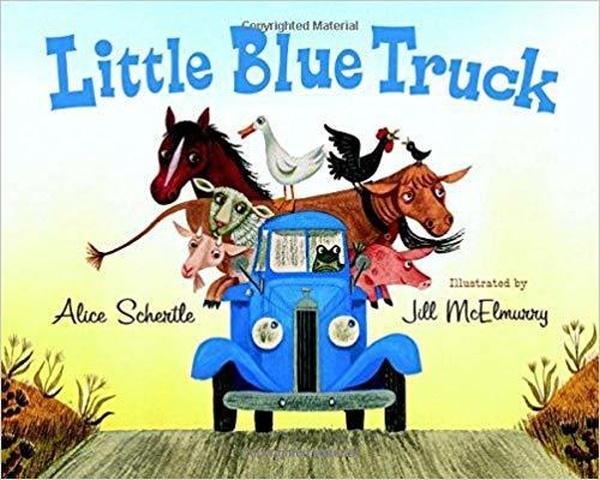
Blue, a little pick up, takes a trip across the countryside, befriending ducks, pigs and horses along the way. When Blue gets stuck in the mud while helping a dump truck, his barnyard friends come to the rescue in this tale of about teamwork and supporting friends, no matter how dirty things might get.
My Friend Bear(opens in new window)
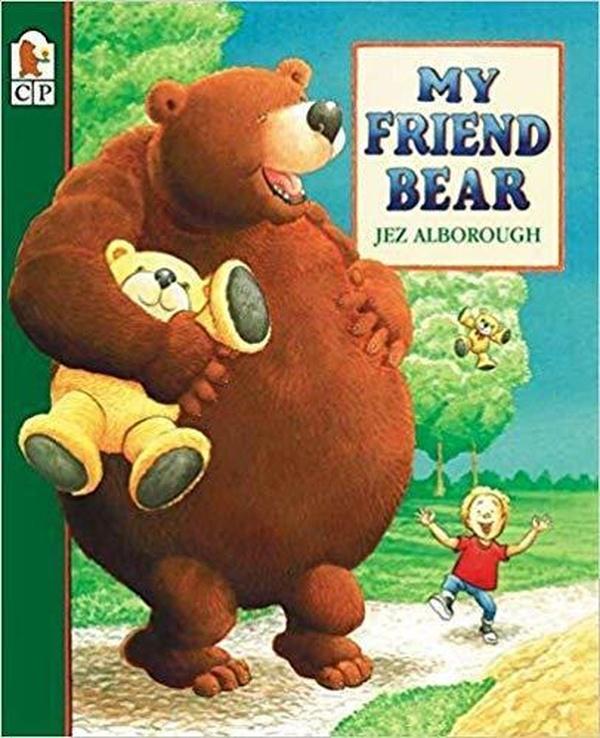
From the author of Where’s My Teddy? comes another tale about Eddie, the large, fuzzy bear. Though he found his teddy bear, he still wishes he had someone to talk to who would also talk to him. So Eddie sets out to find a friend who isn’t stuffed to join him on his adventures.
My Friend is Sad(opens in new window)
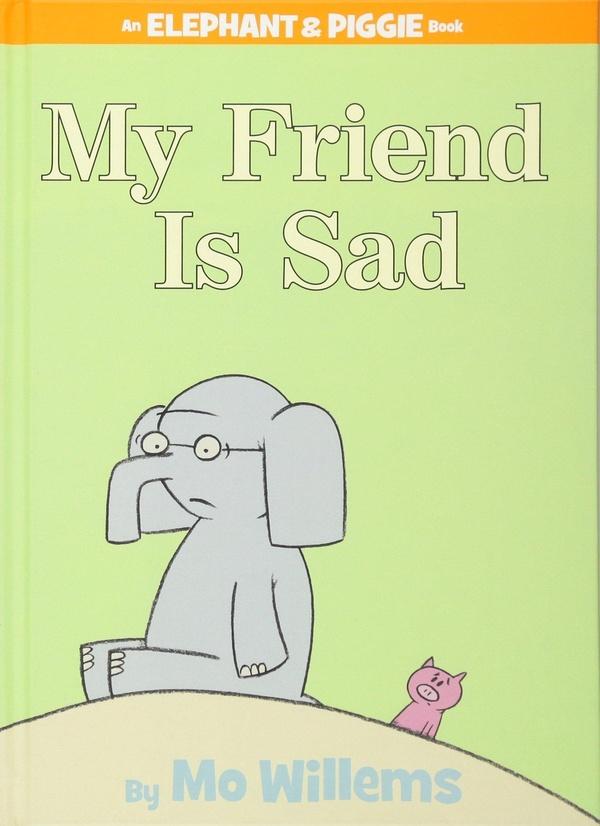
Gerald and Piggie are very different; Gerald is full of worries and Piggie has no problem smiling. But when Gerald falls into a bad mood, it’s up to Piggie to cheer up her friend with more elaborate and zany costumes and performances.
My Friends(opens in new window)
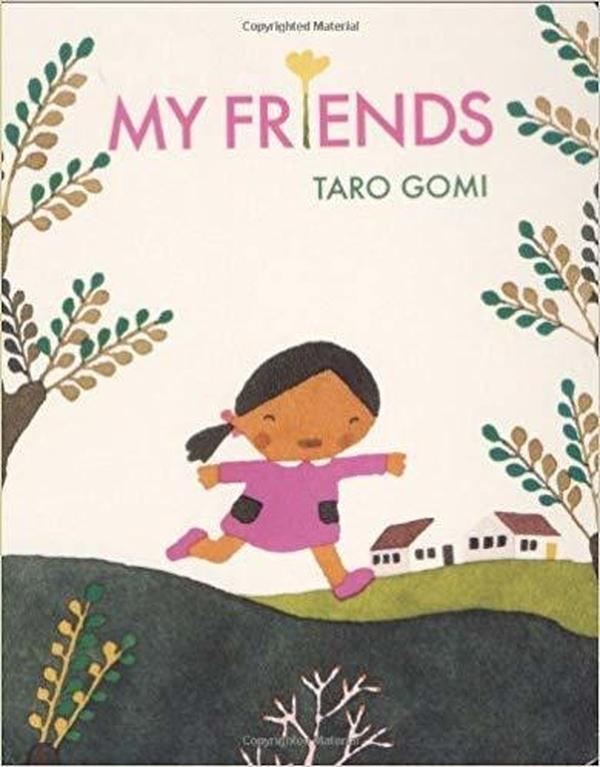
One young girl learns how to be a good friend from the many animals she encounters as she explores the land around her. A monkey teaches her how to climb, a horse teaches her how to run and other animals come out of their homes to share their own knowledge. The words are simple, so the book is easier to understand for younger children, who will also enjoy the colorful art style.
The Giving Tree(opens in new window)
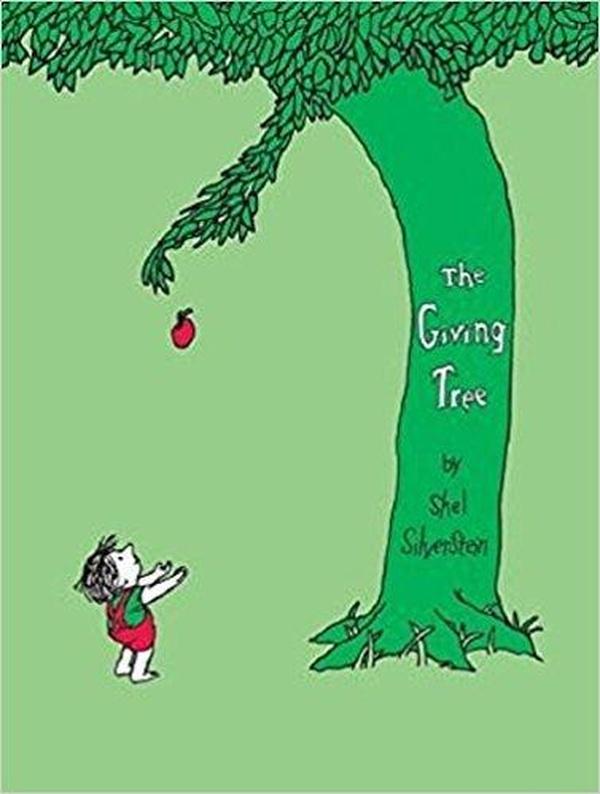
This Shel Silverstein classic is still valuable no matter how many times you’ve read it. The story follows a young boy and the tree who loves him as they grow together. But as the boy gets older, he demands more and more from the tree, who lovingly gives as much as she can to the boy. This book warms the heart as much as it tugs it, no matter how old the reader may be.
The Rainbow Fish(opens in new window)
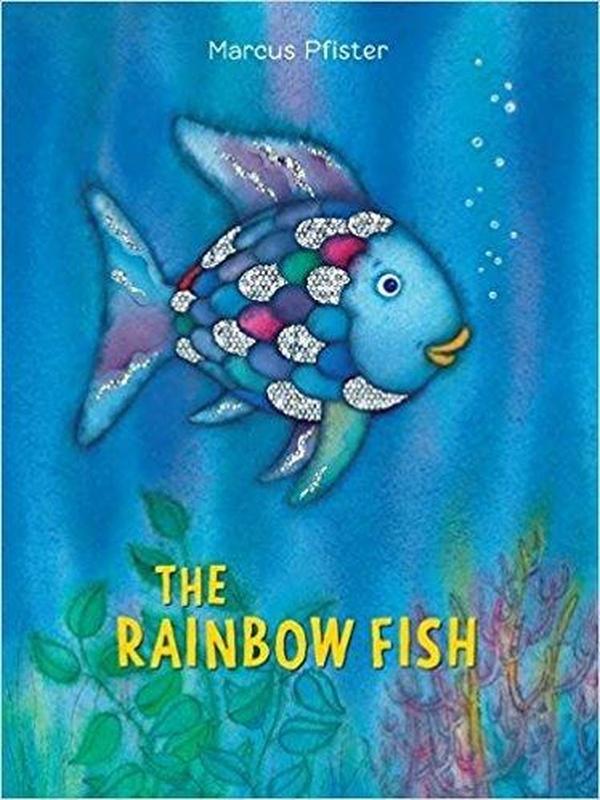
Another classic tale, The Rainbow Fish is as vibrant as it is touching. The spectacularly shiny Rainbow Fish doesn’t understand why people avoid him, until a wise octopus points out the fish never helps anyone but himself. This lesson on sharing and self-value is full of glittering drawings that will capture younger readers.
The Selfish Crocodile(opens in new window)
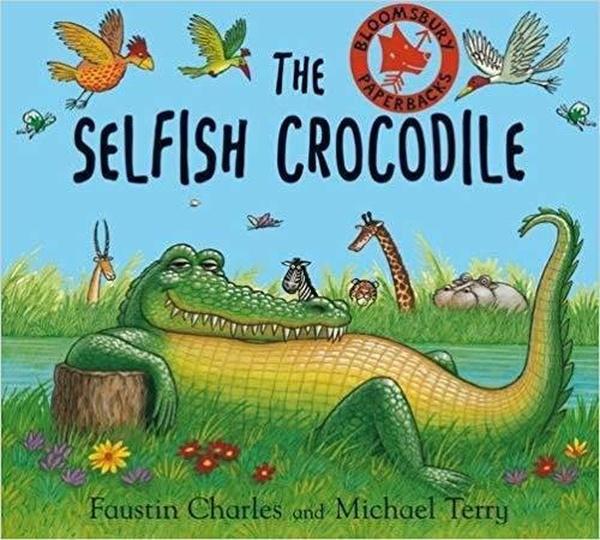
You won’t win many friends if you threaten to eat anyone who comes near you, as this crocodile learns. But when he gets a toothache, he discovers his solitude isn’t worth the pain and that it’ll take a lot of effort to befriend someone willing to forgive and help him.
The Way Back Home(opens in new window)
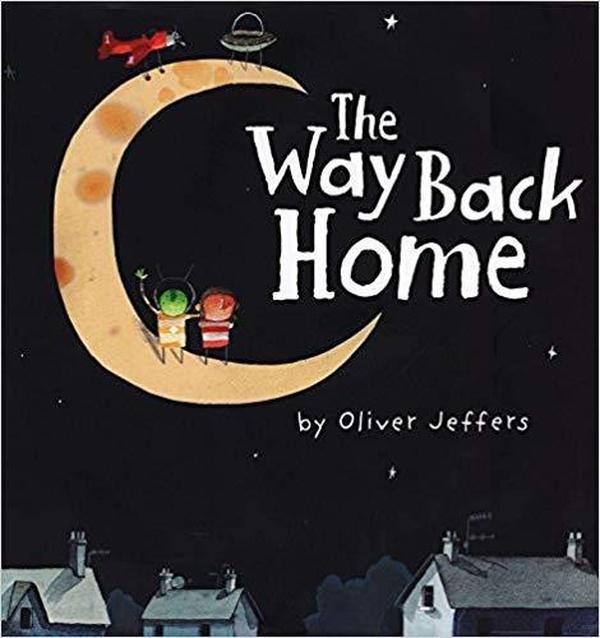
Keeping in touch with friends isn’t always easy, especially when those friends live 238,900 miles away from you. When a young boy flies to the moon, he discovers it’s not as isolated as it appears. He quickly befriends the Martian living on the rocky surface, but the boy has to eventually return home, and the two have to learn another way to keep their friendship alive.
Toot & Puddle(opens in new window)
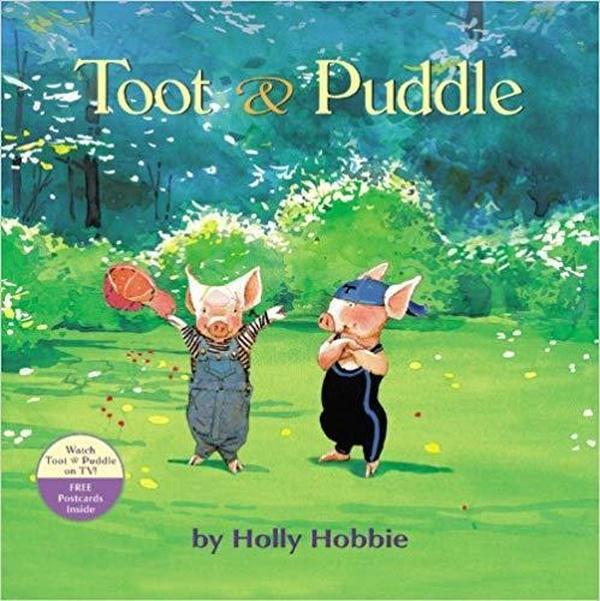
Toot is more adventurous than his friend Puddle, so he sets out on an adventure across the world while Puddle decides to stay in the house. But when Puddle misses his friend, he begins a journey of his own—without ever leaving home. Toot’s travels and postcards to Puddle are portrayed side-by-side with Puddle’s responses and activities in Woodcock Pocket until the two are reunited.
Proceeds from the sale of books purchased at Amazon.com help support PBS Parent. Thank you!
 Author: