
Choosing Toys to Grow With Your Preschooler


By the time your baby is a preschooler, chances are your kids have outgrown some toys ready to be passed on to someone else. (Good luck sorting through — every time I found one to donate, my kids decided it was their “favorite.”) What’s the secret to choosing toys that will grow right along with your now big kid? Here are some tips on the toys that offer years — not weeks — of play:
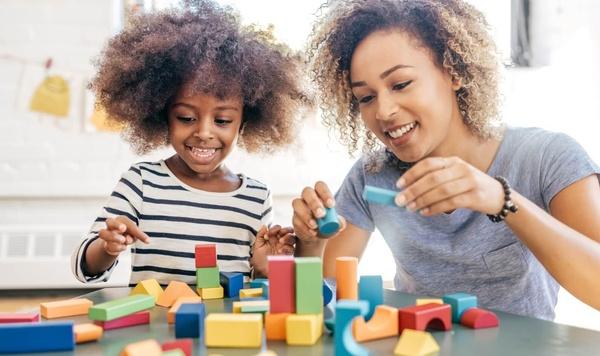
Blocks to Construct New Worlds
Blocks are on every list of “best toys” for a reason: not only are they fun, but they promote skills as diverse as math, engineering, creative thinking, problem solving and language. Wooden blocks are an ideal choice for preschoolers and — bonus! — they literally last forever. (In fact, when the grandchildren visit, my parents still put out a basket of wooden blocks that my brother and I played with as children.) Different kinds of blocks, like plastic interlocking blocks, large cardboard blocks or foam blocks, give preschoolers the experience of constructing with different shapes and materials.
Props to Experience New Perspectives
Preschoolers inhabit a vibrant world of pretend and make-believe. Pretend play is a great opportunity for children to explore the perspectives of others (critical for qualities like empathy and cooperation), and nurtures their ability to create and tell stories, solve problems, negotiate roles and resolve conflicts. Jumpstart your child’s pretend play with a box of props. These can include:
- Empty food boxes or toy foods
- Child-size plates and utensils
- Human and animal figures
- Scarves, wigs, masks and other costumes
- Toy phones
- Take-out menus
- Toy tools
- Trains and cars
- Puppets
- Stuffed animals and dolls
Watch and see what your child is interested in and offer props to support that exploration. While we were doing some work around the house, my son became fascinated by tools. For his third birthday, he opened a plastic tool chest, work gloves, “real” paint brushes and a three-pocket work apron from our local hardware store. He couldn’t have been happier.
Toys for Little Fingers
There are lots of toys that give preschoolers’ hands and fingers a workout, other than swiping and tapping! It’s easy to forget how much fun children can have with:
- Puzzles
- Wooden pattern blocks
- Crayons and markers
- Playdough
- Lacing cards
- Sand and water play
- Child-sized chalkboards/easels
- Musical instruments like a xylophone, toy guitar or piano
Simple card games (like Memory) or board games also build problem-solving, cooperation, self-regulation and hand/finger skills.
Toys for Growing Bodies
Preschoolers are going through a period of tremendous physical growth, as their coordination, balance and strength are improving by leaps and bounds. Toys that offer challenges at this age include:
- Ride-on equipment (tricycles, scooters, balance bikes, bikes with training wheels)
- Balls of different shapes, sizes and textures
- Plastic bat/tee; tunnel/tents bowling games
- Scooter boards
- Child-sized wheelbarrow or wagons
- Balance boards
Books for Expanding Minds
It’s easy to forget about books when thinking about toys, but sharing stories with children often encourages their imagination and deepens their understanding of the world around them. Children’s literature for this age includes endless choices of amazing stories, making it nearly impossible to suggest only a few titles. Instead, watch to see what your child is interested in — or struggling with — and look for books that can broaden her understanding. My daughter wanted to hear Dog Heaven by Cynthia Rylant on repeat for weeks following the death of our dog Sasha. My son, during a toddler garbage truck phase, could not get enough of I Stink by Kate and Jim McMullen.
Materials to Spark Creativity
One of the best toys for preschoolers is just a collection of interesting stuff to create and construct anything they imagine. Gather cardboard boxes of different sizes, masking tape and other found materials (like pom-poms, corks, packing peanuts, buttons, pipe cleaners, ribbons, sea shells, assorted rocks and pebbles, chopsticks, old keys, string, leaves, aluminum foil, textured paper, golf tees, etc.). Watch children combine, sort, match and construct with this “stuff.” Preschoolers love to create their own problems to solve — a process that these materials invite and encourage.
Play is both an expression of joy and a chance to practice and master new skills. Matching the right toy to the right child at the right time gives them endless opportunities to explore and discover all their world has to offer. And maybe, just maybe, their play will give you a few minutes to take a deep breath and do — nothing.
 Author: