


“Dance With Me!:” How Kids Can Learn Through Dance


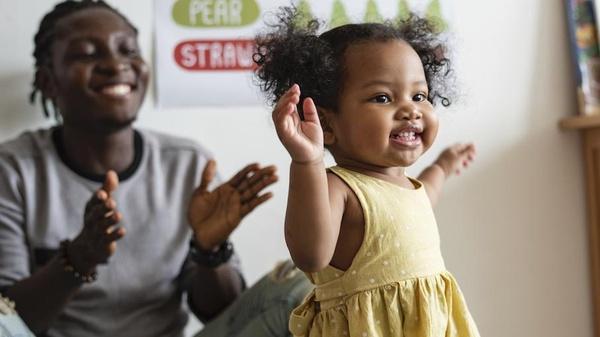
Dance is a language we can all speak: it’s fun, free, and easy to share across languages and cultures. For growing bodies and minds, however, dance can be a whole lot more. On Sesame Street – where I’ve guided the educational curriculum for more than 20 years – we use music and dance to practice essential school readiness skills, such as self-regulation and flexible thinking. Thriving in school isn’t just about the academics – it’s about kids’ social and emotional development too. Music and dance helps children develop these important skills as they help us learn to connect with others in spontaneous and natural ways.
Parents don’t need an expert to tell them that preschoolers love listening to the same songs over and over. While you might be getting a little tired of “Baby Shark” – or even a certain red monster’s “Happy Dance” – your little one is discovering so much about herself and the world. She’s staying physically active. She’s learning how her body moves to the music. She’s following simple directions and taking turns. She just needs space to do her thing, and caring adults to guide her as she learns through play and exploration.
Here are a few ways to bring playful learning to your family’s next dance break:
Encourage all kinds of dancing. Introduce your child to different tempos, rhythms, and languages by playing different genres of music at home. Don’t be afraid to move to the beat with your own personal style and flair! This will show your child that there’s no right or wrong way to dance.
Break complex dances into simple steps. Freeform dancing is wonderful, but learning specific dance moves can build kids’ listening, memory, and coordination skills. Start with simple structured dances like the Hokey Pokey, the Chicken Dance, and Ring Around the Rosie. When teaching your child a new dance” break it down into individual movements. Move slowly at first, allowing enough time for her to master each movement before going on to the next. Keep the dance patterns simple, as preschoolers may only be able to mirror three or so steps at a time.
Add in props from around the house. Put a new spin on dancing with props and costumes. Explore your closets, kitchen or dress-up trunk for inspiration. Ask your child to invent a movement using an airy scarf or a few jangly bracelets. Adding music will turn her motions into brand-new dance moves.
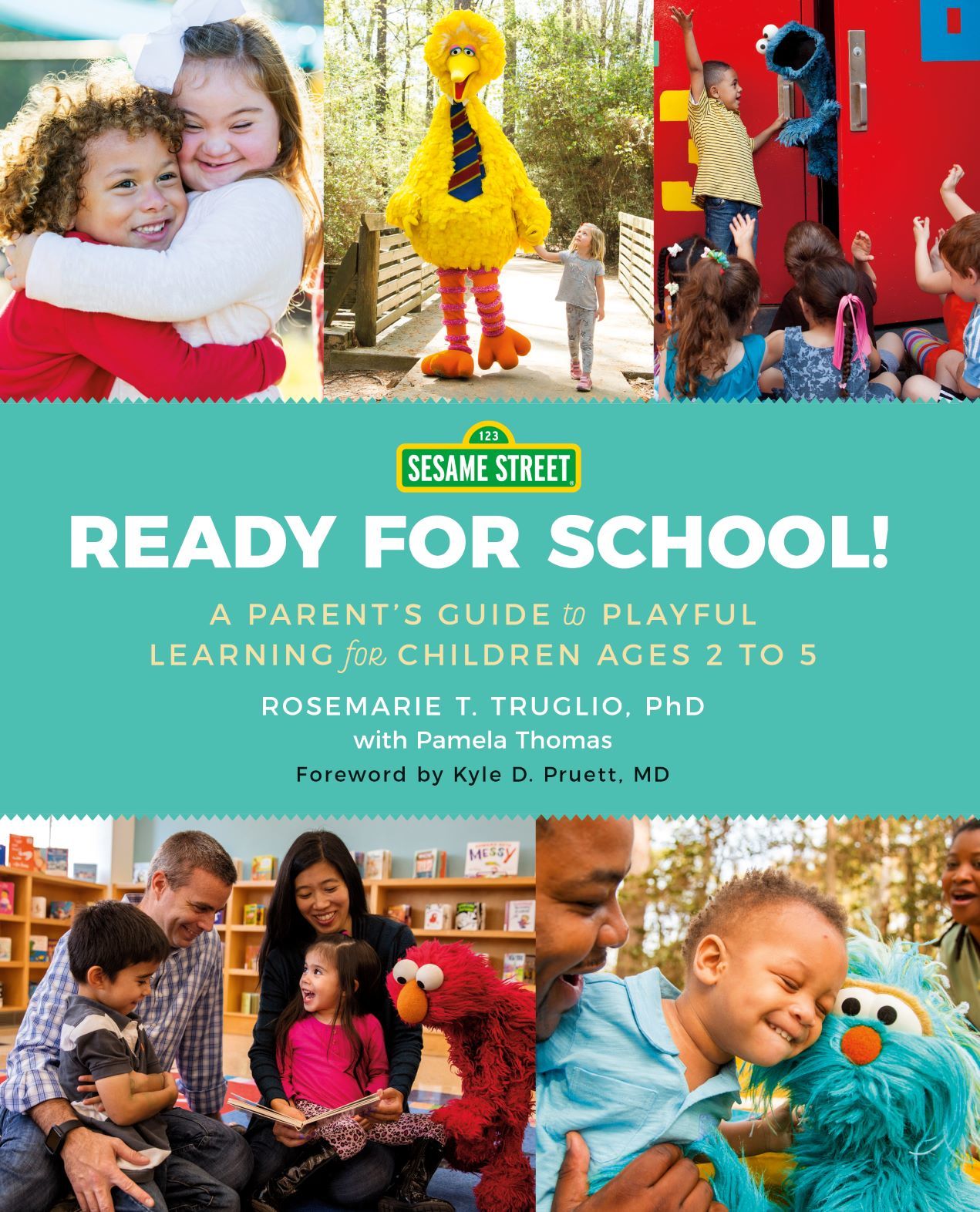
Express big feelings. Young children are still figuring out how to recognize and regulate their emotions. When kids are feeling angry, frustrated, or just plain wiggly, dancing can help them express their emotions in a safe and fun way. Find a song that matches your child’s strong emotions – maybe save a playlist of her favorites – and let her dance to the music until she feels calmer. (Hint: This also works for adults!) For more ideas on how to turn everyday moments into playful learning opportunities, my book Ready for School! translates Sesame Street’s comprehensive school-readiness curriculum into a year-by-year guide for busy families. This book can also help you build the confidence to invent your own playful learning moments. As long you’re talking together, laughing together…and yes, even dancing together, your child is learning.
 Author: