

Exploring the Seasons With The Foods You Eat


“Hey! Where’s all the mulberries?” my son asked on a bike ride. On one of our favorite bike paths, we are lucky to come across several mulberry trees. It’s a fun stop during our family rides to pick a few berries off from the large trees in the park. But of course, like all trees, they don’t bloom all year, so I had to explain that the tree wouldn’t have more fruit again until early summer. In his disappointment he reminded me, “Aww, but I really like mulberries!”
In the United States, there are a lot of grocery stores that sell certain produce all year-round. But not all produce can be grown, imported, or purchased at all times. It’s helpful for kids to understand where their food comes from. The different seasons change what food is available and impact how the food tastes, too!
Experience through taste
“We have this amazing opportunity when kids are young to talk to them in a way that sets up their mindset for how they’re going to think about food in the future,” said Jennifer Anderson, registered dietician, founder and CEO of Kids Eat in Color, and mom of two. “When food has to travel halfway around the world, when food is being picked not at ripeness — all these things impact flavor. When we can help kids understand, [with] eating in season, often the food tastes better and the kids are then more willing to eat it because it actually tastes really, really good.”
What season it is, what the weather is like, and where you live all influence what fresh food is accessible. In an episode of “Elinor Wonders Why,” Elinor is excited to make her favorite meal, backyard soup! But when she travels to Desert Town to visit her grandparents, she observes that it’s hotter there, and the ground feels different. Their backyard doesn’t have the same vegetables as hers, so the soup ingredients have to change from carrots and peas to cactus and beans. Sometimes eating fresh food means adapting to what’s available.
Engage in the garden
Gardening teaches children how to care for the plants and it helps them better understand the time and resources it takes to grow the food we eat. Whether you have room for a small pot of herbs on the window sill, a garden box in your balcony, or a big plot of veggies in the backyard, kids can learn a lot about the seasons as your plants grow from a small seed into food you can eat.
“If you have the capacity — financially, space-wise, know-how, emotional energy — it’s such a good bang-for-your-buck activity,” said Anderson, who listed gardening and cooking among the top ways to engage picky eaters. Gardening will look different for every family though. If you’re new to gardening, she said to start by trying to grow things you would normally buy and ingredients that fit in your food culture.
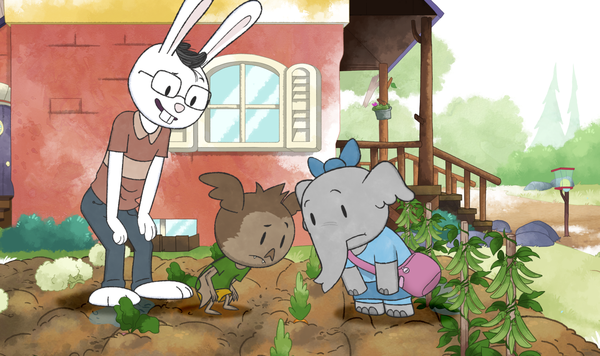
Even if you don’t have a garden, see if there is one in your neighborhood, community, or school that you and your kids can help with. Studies have shown that school gardening programs increased the fruits and vegetables kids ate. In the episode “Underground Soup,” Elinor’s friends, Ari and Olive, learned what carrots and radishes looked like by helping Mr. Rabbit in his garden while preparing to make backyard soup.
Interact with cooking
A big part of eating fresh foods is preparing it. My 3-year-old loves helping in the kitchen! There are plenty of opportunities to prepare a meal or special dish in age-appropriate ways. This might mean washing fruits and vegetables, pouring something, or mixing ingredients together. As kids get older, they are more capable of things like peeling or chopping produce.
Beyond the logistics of preparing a meal, invite your kids to consider the recipe itself. Ask them things like, “Would strawberries go well in the spinach salad? What about in a soup?” In the “Dandy Dandelions” episode, Ms. Llama is throwing a salad party for everyone to contribute to, but is all out of spinach! Elinor realizes that the unwanted dandelion flowers from Deputy Mouse’s garden are actually edible and make a great addition to the salads.
Looking for more ideas? Here are additional ways to appreciate the seasonality of food with your kids:
Visit the farmers market. Point out which foods or plants are for sale now compared to the last time you visited. Ask your child if they are interested in trying something seasonal.
Read books together. Next time you go to the library, pick up books about gardening that describe the progression from seed to fully grown fruit or vegetable. There are lots to choose from, and this gives children an opportunity to see the plant’s life cycle all at once.
Go fruit picking. Find out what crops are grown in your area to see if there is an opportunity to visit during the harvest time. Research what kinds of wild vegetation are safe to forage and eat where you live.
Discuss the process. Talk about how food goes from growing in a garden until it finally reaches the plate you’re eating it from. My kids have fun playing the Soup’s Up digital game with Elinor, which lets them virtually pick vegetables from the garden, wash them, chop them, and cook them in a soup. You might find your kids inspired to make something similar at home afterwards!
Put it all together and see what in-season foods your family can try this spring, summer, fall, and winter!
 Author:
Elinor uses her amazing power of observation to ask questions and investigate nature.