
Getting Along: How "Arthur" Can Help Your Child Manage Friendships


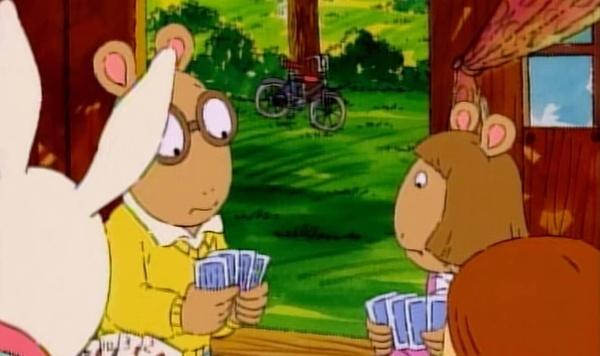
As you probably know, Arthur’s adventures almost always involve his friends. Together, they experience the everyday challenges of making and keeping friends. With good humor and great insight, the stories offer life lessons on resolving differences, dealing with emotions such as jealousy and anger, and learning how to express oneself while being mindful of others.
Watching "Arthur" with your child offers many opportunities to talk about friendship. As you watch, check for understanding by asking your child to tell you what is happening on screen or predicting what might happen next. Afterwards, discuss what happened in story. Help your child relate the story to his or her own life. Ask: did that ever happen to you? What did you do? How did you feel? You can also help your child recall a similar incident from the past. This helps children continue to process and learn about responding to difficult situations.
Here are some other tips for helping your child cope with the ups and downs of friendships:
Discuss “getting along” rules.
Talk with your kids about these basic rules for getting along with other people.
- Use your words when you are angry. It’s not OK to hit.
- Treat each other with respect. Don’t yell or call names.
- Listen to each other’s ideas.
- Don’t stay angry once the situation is over. Remember the good or funny times you’ve had with the person. Change the game so you can do something you enjoy together.
Take time to listen.
As often as possible, set aside time to relax and talk with your child.
- Choose a low-stress time to chat together, such as mealtime, bath time, bedtime or riding on the bus or in the car.
- Encourage your child talk about things that interest him or her.
- Listen and ask questions. You can share stories from your own life, but make sure to give your child time to reflect and respond. This is a time to learn more about your child’s world and what your child thinks and feels.
Be supportive.
If your child is upset about something that happened with a friend, try these ideas.
- Listen sympathetically. Ask questions to find out more: “That sounds like it was hard. What happened next? How did you feel?” Often just talking about the situation and how your child felt will help him or her feel better.
- Try not to react too strongly. Remember that each child involved will have her or his own idea of what happened.
- Let your child be a problem solver. You might say, “I know it feels bad that Nia won’t share her toys. What could you do to make yourself feel better?”
- Take teasing and bullying seriously. If your child seems to be really troubled by a certain friend or classmate, you may want to speak to your child’s teacher or another adult about the situation.
Read books!
There are many great children’s books about friendship. Read them aloud with your children and talk about what the characters in the stories are doing and feeling. Your children will gain a deeper understanding of problems and solutions. Try one of these or ask your school or public librarian for more recommendations.
Crazy Hair Day(opens in new window)
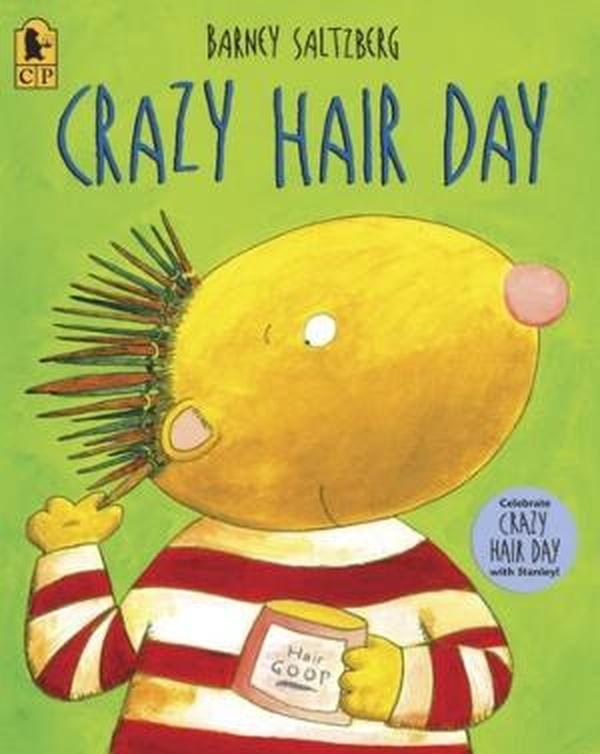
When Stanley learns that it’s school picture day and NOT crazy hair day, his classmates come to his rescue.
Frog and Toad are Friends(opens in new window)
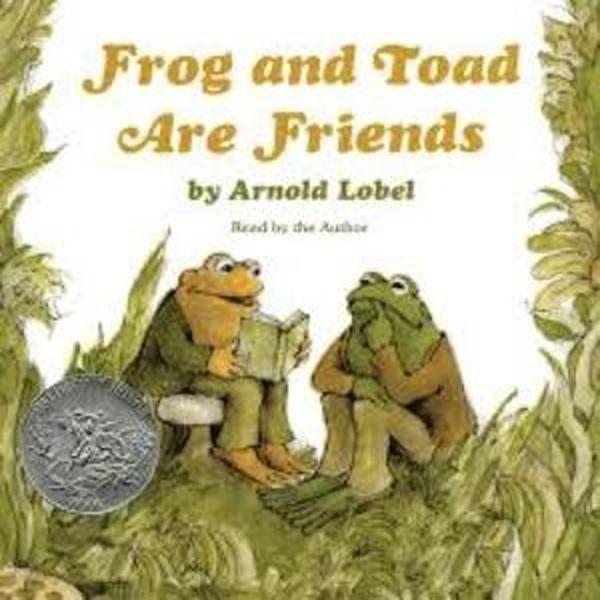
These five funny stories are about two great pals. See also George and Martha by James Marshall.
Should I Share My Ice Cream?(opens in new window)
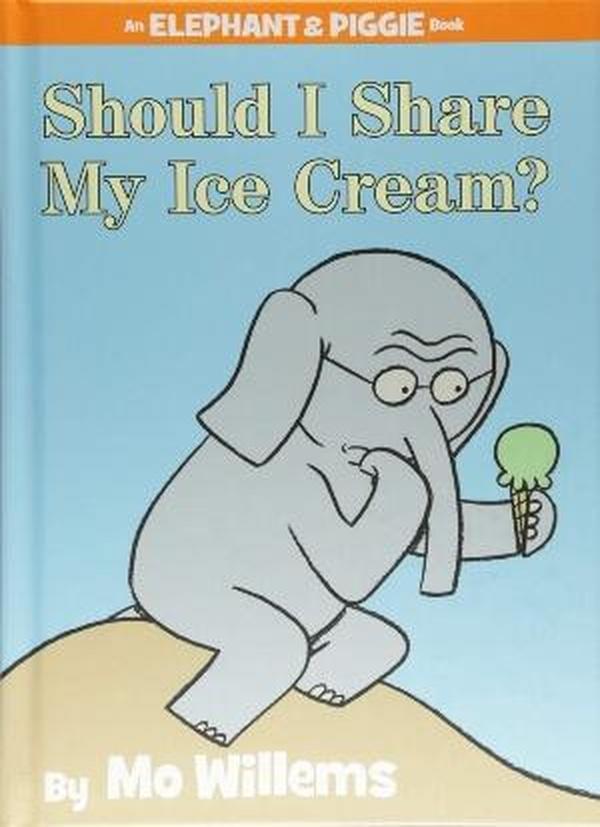
Should Gerald share his special treat with his best friend Piggie? He’ll have to decide before it melts!
 Author: