
Helping Your Kids Understand Food Allergies


“Remember, no bananas at school!” my 5-year-old frequently reminds us while packing lunches. Ever since my son found out about his friend’s allergy, he’s taken it very seriously. In our family, we often talk about allergies since I have some food allergies and have to ask a lot of questions before eating something new.
It’s important to talk about allergies with your children, whether there is an allergy in your family or not.
More than likely, your child knows someone with allergies or may even have allergies themselves. According to experts, about eight percent of children have food allergies or one in every 13 kids. The most common allergies are milk, eggs, fish, shellfish, wheat, soy, peanuts, and tree nuts, but there are all sorts of food allergies that people may be facing.
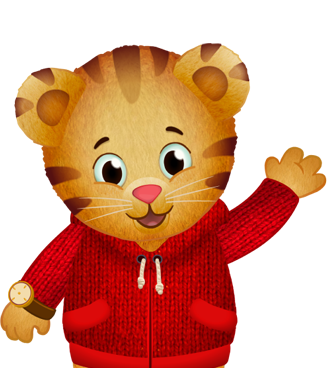
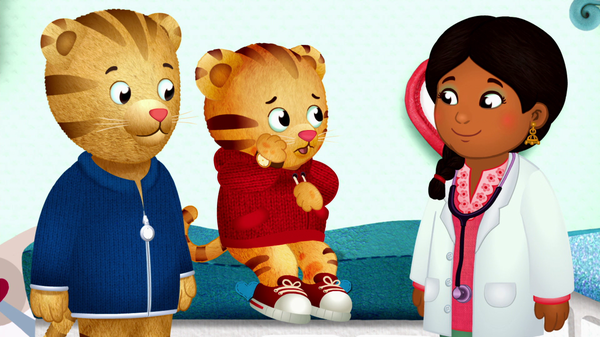
In an episode of “Daniel Tiger’s Neighborhood” about allergies, Daniel starts feeling itchy and gets a tummy ache after trying peaches for the first time. A visit with Dr. Anna confirms that he is allergic to peaches. She explains that having an allergy is not the same as not liking how a food tastes, but rather that your body doesn’t like the food. He leaves with three rules to follow:
- Don’t eat the food you are allergic to.
- If you don’t feel well, tell a grown-up.
- Ask before you eat something new.
Afterwards, Daniel plays make believe to think about all the foods he can eat, and then makes banana muffins since they are safe for him. He also tells his friends and teacher about his allergy so they better understand why he can’t eat peaches and how they can help to keep him safe.
To be a good friend, I want my kids to understand what an allergy is, be able to communicate safety needs, and have empathy for others with allergies. Here’s how to teach your children about allergies and how to be a caring friend to someone who has them.
Understand what allergies are.
When we try a new food at home, each member of the family talks about how it tastes, what we like or don’t like about it, and how it makes us feel. We also consider other people we know who like certain foods (grandma likes pickles, but mommy doesn’t!) or how some people are allergic to a particular food (we love peanut butter, but our neighbor can’t eat anything with peanuts in it). It’s helpful to explain to children that there’s a difference between disliking a food and having an allergy. Someone with an allergy doesn’t have a choice, and needs to avoid specific foods to take good care of themselves.
“The same way we think about traffic safety rules, we think about food allergy rules,” explained Dr. Michael Pistiner, pediatric allergist and director of Food Allergy Advocacy, Education and Prevention at MassGeneral Hospital for Children’s Food Allergy Center. He said teaching it this way can make it less scary and easier for children to grasp when you compare it to putting on your seatbelt or wearing a helmet. Looking both ways before crossing the street is something we do every time, but it still takes practice until it becomes routine. “A family with a kid with a food allergy has certain rules that they have to follow and cannot deviate from. If you are understanding of these rules it can really allow for inclusion and empowerment.”
As a spokesperson and part of the medical scientific council for the Asthma and Allergy Foundation of America and also a father to a child with a food allergy, Pistiner emphasized understanding the pillars of food allergy management: prevention and emergency preparedness.
Communication is key.
Like the song in the “Daniel Tiger’s Neighborhood” episode says, “we take care of each other,” there are a lot of ways that we can help our friends when it comes to allergies. It starts with communication and asking questions. Before breaking out a snack or meeting up for a playdate, ask if anyone has an allergy. If so, ask what foods are a good option to bring or eat instead. While parents need to take the initiative to communicate about food items and possible allergies in a group setting (and know what to do in case of emergency), that doesn’t mean children should be left out of the conversation about food allergies. Explain why you are asking questions or preparing a specific food, and invite your children to help keep their friends safe.
“Children can be amazingly supportive, and they can be the strongest advocate for their peers and their friends. And so many times when the children learn about this, they really try to be helpers,” said Pistiner. When children with allergies feel accepted and cared for by their friends, they are also more likely to feel comfortable communicating about their allergy and needs. That communication is especially important in an emergency situation.
Have empathy for those with allergies.
Living with an allergy can be challenging and sometimes scary, particularly when some allergies can cause extreme reactions. But beyond the health risk an allergy can cause, there’s a social impact that can be hard to navigate in group settings like school, family gatherings, or playdates. It can feel isolating to be excluded from an activity, especially if it means missing out on special treats.
In another episode of “Daniel Tiger’s Neighborhood,” when Uncle X invites everyone to share his peach pie for a picnic, Daniel feels left out and sad because he can’t eat it. Once Daniel tells everyone about his disappointment, the group switches to strawberries so that everyone can participate in sharing, singing, “We can find a way for everyone to play!"
“This awareness about taking care of each other goes beyond food allergies,” added Pistiner. We all have differences in our needs, abilities, challenges, and skills. One way to celebrate those differences is by learning how to take care of each other.
 Author:
Play, sing along, and learn with Daniel Tiger and his friends in the Neighborhood of Make-Believe.