
Help Kids Be More Empathetic By Caring for Others


Before leaving for preschool this morning, my four-year-old did a few things. She checked on her jar of baby ladybugs, watered her little flower garden, and shared a bagel with her little brother. She may not know the word, but she was showing empathy.
Empathy is a skill we can practice and get better at. It means imagining how someone else feels and responding in a caring way. As picture book author Anna Dewdney put it, “Empathy is an understanding that other people have feelings, and that those feelings count.” Practicing empathy helps us learn how to engage with the people around us while building social problem solving skills.
When kids take care of living things, such as babies, animals, or plants, they are developing their empathy skills. Empathy is a key skill for many careers where people care for living things. Dog walkers, nurses, park rangers, teachers, and others all need to have strong empathy skills as they take care of living things. Playing pretend, caring for a family member, and listening to friends are ways kids can practice empathy. And these activities can help them explore their interests — or find new ways to help others throughout their lives.
Here are some ways you can help your children strengthen their empathy skills:
1 Teach Kids How to Care for Babies
Have you ever noticed how kids are fascinated by small babies? If you have a new baby at home, find small tasks that older siblings can help with. My daughter was two when her baby brother was born. We talked to her about noticing what her brother might need. When the baby needed a diaper change, it was her job to get the diaper and wipes. We also talked a lot about what her brother needed to grow up healthy and how she could be a part of that — and she loved to boast about what a good big sister she was.
In “Daniel Tiger’s Neighborhood,” Daniel has a baby sister named Margaret. It makes Daniel feel proud when he can help take care of his little sister! Your child can practice taking care of a baby too with pretend play.
2 Teach Kids How to Care for Animals
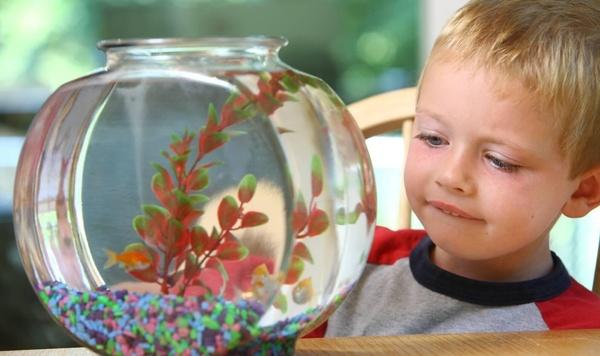
Taking care of pets can boost empathy. Pet care can provide a consistent “job” for kids — a meaningful, daily responsibility. Even preschoolers can help fill a dog’s water bowl or give fish a pinch of food. Right now, we have a jar of baby ladybugs on our windowsill. Every day, my daughter checks on their progress and wonders if they need water or more food. If you don’t have a pet at home, play pretend by taking care of a stuffed animal.
The Kratt Brothers in “Wild Kratts” are always thinking about the needs of animals. If your child is interested in learning more about caring for animals, the “Wild Kratts” Baby Buddies app is a resource where kids can learn about taking care of baby animals like elephants, cheetahs, and more.
3 Teach Kids How to Care for Plants
By watering plants and nurturing them, kids can understand how caring for others is like tending to a garden. Recently, my daughter and I prepared a little patch of soil and scattered a few wildflower seeds. Each morning, she waters them. We talk about how seeds need good soil, water and sunlight. Like people, they start small and fragile, but with the right care, they will eventually blossom. Caring for the environment teaches empathy because we learn to support things that provide us with food and water.
To encourage your child’s interest in plants and nature, check out “Elinor Wonders Why!” Watch Elinor as she learns about taking care of plants and what they need. Then set up your own schedule to take care of a plant, pet, or stuffed animal!
How can I tell if my child is becoming more empathetic?
As your child grows, you’ll see key signs of empathy development:
They respond to others' emotions.They may show concern when a sibling or friend is upset or try to comfort them.
They consider other people's perspectives. Empathetic children can imagine things from someone else’s point of view. For example, they may understand why a classmate is sad after losing a game or why a sibling is angry when their toy is taken away.
They apologize when they are wrong. When a child is building empathy, they become more aware of how their actions affect others. They may apologize for hurting someone's feelings or making a mistake. They might offer a hug or to fix a problem they caused.
They ask about others' feelings. Being curious about others’ emotions is a sign your child is developing empathy. They may ask questions like, "Why is he crying?" or "What's wrong with her?" This curiosity shows they're trying to understand others’ emotions and experiences. Having conversations with your child about their feelings or others’ feelings they’ve noticed is one way to help support their development of empathy.
Empathy develops over time and can be different for every child. As parents and caregivers, we can help them become more empathetic by showing patience, love, and understanding. By supporting and encouraging their emotional growth, you'll be helping your child build their empathy skills and develop healthy relationships throughout their life. For more about developing empathy, check out these picture books!
 Author: