
How Do I Know If My Preschooler Has Anxiety?


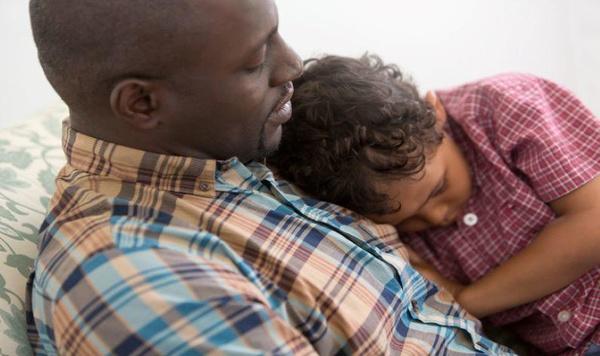
A mom of a four-year-old reached out with concerns that her son might have anxiety. He doesn’t like playdates or even going to the playground. He’s often scared or agitated before bedtime. His eating is touch and go. He spends a lot of time trailing after her and asking the same questions over and over.
In isolation, any of these concerns falls under normal child development. It’s natural for kids and adults to experience feelings of anxiety and worry at times. Preschoolers experience rapid brain growth at the same time that they become more aware of the world around them. This can result in feelings of fear or worry and wanting to stay home and close to a caregiver, where everything feels safe. Frequent growth spurts can mean nonstop eating for weeks followed by periods of eating less.
What caused this mom to reach out for help was that the worries seemed to interfere with daily activities like getting to preschool on time and even going out for groceries. Every outing required a conversation about the “what ifs” and why they needed to go. The other tip off was that the days when he didn’t eat as much also included stomachaches. Over time, the symptoms that all seemed part of being a preschooler, worsened.
According to the Centers for Disease Control and Prevention (CDC), 7.1 percent of children ages 3-17 years (4.4 million) are diagnosed with an anxiety disorder. While it might seem hard to believe that children as young as three can be diagnosed with anxiety, it does happen.
Little kids typically don’t come home from preschool and say, “I’m anxious.” Young children experience a wide variety of symptoms that can be signs of anxiety. While many symptoms will feel like an average day with a preschooler, it’s important to pay close attention to their duration and intensity. If a behavior occurs frequently and affects your child’s functioning (attending preschool or groups, playing with peers or siblings, sleep, eating habits), it’s important to seek an evaluation.
Physical signs of anxiety
The mind-body connection is strong for kids, and anxiety can result in some of the following physical ailments:
- Headaches
- Stomachaches
- Unexplained muscle pains
- Not feeling well but difficult to describe
- Racing heart
- Fidgety or easily distracted
- Shaking or sweating
- Feeling like it’s hard to breathe or chest pain
Behavioral symptoms of anxiety
Parents are quick to recognize behavioral changes in young children, especially when the new behaviors intensify over time. Be on the lookout for:
- Avoidance behaviors (avoids specific fears or joining in, going to preschool, interacting with others)
- Sleep disturbance, including difficulty falling and staying asleep
- Social isolation
- Constantly seeking approval
- Constantly asking “what if”
- Frequent tantrums or meltdowns
- Refusing to do things or makes statements like, “I can’t do it”
- Making negative comments about his/herself (ex: “I’m bad at this”)
Emotional symptoms of anxiety
It’s common for kids with anxiety to experience a mixed bag of emotions on any given day, including anger, sadness and irritability. Watch out for these changes:
- Frequent crying
- Increased sensitivity
- Frequent angry outbursts
- Increased irritability
- Perfectionism
- Symptoms of panic attacks (rapid breathing, increased heart rate, difficulty breathing or swallowing, feeling lightheaded or dizzy, sweaty palms, confusion)
- Intrusive thoughts, including worrying about the safety of loved ones or the future
- Nightmares
What to do if you suspect your preschooler has anxiety
The good news is that anxiety is very treatable. When young children learn how to recognize their symptoms, they can learn strategies to manage them. There are a few steps you can take to help your child:
- Keep a trigger tracker. Log your child’s symptoms and responses to stressful events for at least two weeks to establish patterns. Pay attention to time of day, hours slept, activities that might cause reactions, food and water intake, and how you responded in the moment. By logging your child’s symptoms and triggers, you have something to show your pediatrician or licensed mental health practitioner when you do seek help. You also have a solid starting point for figuring out how to help your child manage anxiety.
- Start with the pediatrician. It’s always a good idea to visit your child’s pediatrician when your child exhibits emotional symptoms. Believe it or not, certain medications to manage allergies, asthma and other medical problems can also exacerbate anxiety symptoms. You should never make decisions about changing medications without seeing your pediatrician first.
- Ask for a referral for a licensed play therapist. Play is the language of young children, and a skilled play therapist can help children learn to understand and manage their symptoms.
- Remain calm. Your responses to your child’s anxiety are important. Use a calm voice, empathize and listen.
- Get back to basics. Preschoolers don’t need a ton of enrichment activities. They do need balanced meals, water, outdoor play and regular sleep. Take a good look at your family schedule and see where you can make changes.
While it can feel overwhelming to learn that your preschooler has anxiety, it helps to know that very young children do learn to cope with their symptoms. When the whole family works together, kids tend to work through their anxiety and live happy, healthy lives.
 Author: