
How to Help Your Child Discover the World


The world is changing faster and more profoundly than I ever could have imagined. Sometimes it seems confusing, and at other times the changes feel exciting or wondrous. Just as I strive to raise my children to be kind, courageous, grateful, helpful and empathetic, I hope their relationship with the wider world can be fueled by these qualities — that happen to build their brains — too.
Through my children’s or students’ joy in mastering how to pronounce and locate Kuala Lampur or Ouagadougou, pick up an extra-long noodle with chopsticks, or spend free time playing homemade versions of mancala or curling, I’m reminded of the joy, curiosity and creativity that are unlocked when we “bring home” the world and its cultures.
The many ideas created for children to build their knowledge of the world fascinate me, from interactive maps, to video conferencing tools, curricula, games, and diverse books. Building global knowledge skills and awareness is necessary to navigate and succeed in today’s interconnected world and is vital to the education and upbringing of every child growing up today.
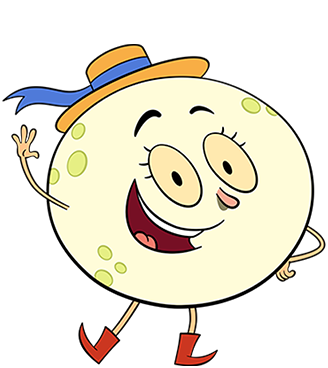
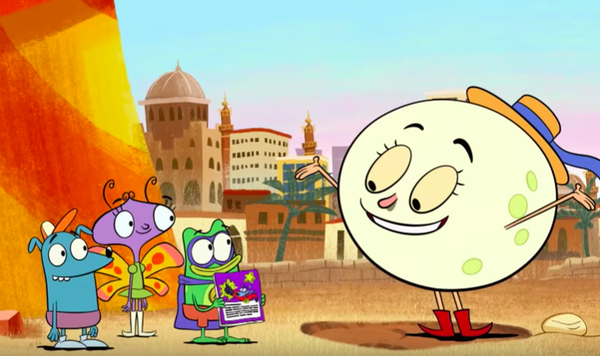
Fortunately today, you don’t need a plane ticket to learn about the world and can start by exploring and connecting with people in our local communities or online. For example, in the new PBS series Let’s Go Luna!, we follow the adventures of characters who travel the world with their families who are part of a circus. As Luna and friends explore new places and cultures, here’s how you can do that from your own home and neighborhood.
1 It starts with friendship.
When we consider that being a global citizen is more like being “a friend to the whole human race,” we begin to care and want to help, encourage and show kindness to our friend — the world and its people. Places and cultures come alive when they feel personal, and not like a homework assignment. To switch up our usual Friday night pizza, my family sometimes goes for delicious falafel sandwiches from a nearby restaurant owned by a Syrian family. As we enjoy the combo platters, we exchange greetings and start to get to know members of the family. Through our delight in the food and hospitality, Syrian culture becomes personal and we care about our new friends’ country. The characters in Luna usually explore a city because of a problem they’re trying to help each other solve — so friendship drives their explorations, and they have fun and laugh (like good friends do) along the way.
2 Don’t be afraid — and be yourself!
Having the courage to say a greeting in another language or try a different kind of noodle dish calls for us to shed our fears and preconceptions. The more we try new and different things, the more enjoyable and comfortable it becomes. At the same time, we learn that different people explore the world through their own unique lenses. In the case of Luna’s friends, Andy the frog loves art and architecture; Carmen the butterfly discovers the world through music; and Leo the wombat explores through food. We each can follow our own interests to get to know the world.
3 Diversity makes our world more beautiful and interesting.
Different shapes of buildings or hats; different ways to sing a baby to sleep; various kinds of folktales to drive home wisdom — all this diversity adds awe and wonder to life. I want to live in technicolor, not in black-and-white — and learning about the variations in our world adds to that. Next time you visit the library you might challenge yourself or your child to pick stories with protagonists from varying cultures, or books that demonstrate and celebrate homes, schools, or even tooth fairy tales from around the world.
4 Learn some facts and ask questions.
It’s one thing to learn to fold paper into a crane, and another to learn about the origin of Japanese washi or chiyogami paper, or the symbolism of the crane and its place in Japanese culture. There’s plenty to feel, and there’s lots to learn, too! On Let’s Go Luna, Honey the hamster shows us how she always asks questions, and none is too simple. Like: What’s a globe? What’s a country? Encourage your child to ask questions about the world and look up the answers together. Keep a map, globe, kid-friendly world atlas handy, or explore Google Earth to discover someplace new!
5 Learning is continuous.
At the end of the episodes, Luna wisely shares, “There’s always much more to learn about every country we visit…” Recognizing that we have only learned a sliver shouldn’t overwhelm or detract us from learning and growing more. And parents — it’s ok to say you don’t know the answer to every question; but you are willing to learn! This attitude helps plant the seeds to a lifelong love of learning.
We live in an amazing world.The lessons for building global awareness that can be instilled from the youngest ages offer a priceless investment for a better future for all children — starting now, starting at home.
 Author:
Three friends, Leo, Carmen, and Andy, traverse the globe with their guide, Luna the moon.