

How to Prepare Children for Unexpected Events and Emergencies


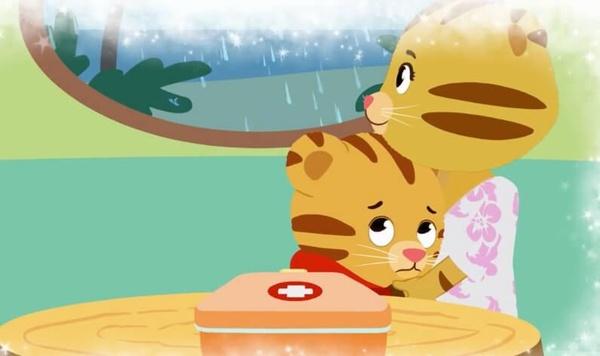
Daniel Tiger’s strategy song:
Take a grown-ups hand, follow the plan, and you’ll be safe.
In times of community or worldwide crisis, it’s easy to assume that young children don’t know what’s going on. But one thing’s for sure, children are very sensitive to how their parents feel. They’re keenly aware of the expressions on their parents’ faces and the tone of their voices. Children always benefit when they are prepared for what is about to or may happen.
Helpful Steps for Families to Plan and Prepare for Emergencies
Ask your children to help you build your family’s emergency kit, like Daniel Tiger did with his family.
Talk, listen and practice. In your most reassuring, matter-of-fact voice, let children know that if an emergency happens, this is what to do:
- Find the grownup helpers; they’ll know what to do. Who could that be? Mom, Dad, other family member, nearest police officer, teacher, etc.
- Watch, listen, and stay calm.
- Remind children that they can practice ways to keep themselves safe everyday (like wearing a seat belt in the car or a helmet when riding a bike/skateboard).
- Practice what you would do, and explain your family’s safety plan.
- You might also want to sing Daniel Tiger’s song; “Take a grownup’s hand, follow the plan, and you’ll be safe.”
Hints for Parents During and After an Emergency
- Control children’s exposure to media before, during, and after the event. This is one way to manage images that might be scary or confusing for them.
- Keep yourself calm. Use your calmest and most reassuring voice when talking. Explain who will take care of them and keep them safe.
- Give plenty of hugs!
- Keep routines. Familiar ways of doing things helps children feel safe.
- Do something your children enjoy, such as reading a book, playing a game, or telling a story.
- Laugh and have fun. This helps decrease tension.
Stress Behaviors Children Might Show
- Clinginess;
- Easily crying or whining;
- Being extra quiet or more active;
- Sleep disturbance;
- Changes in appetite or eating patterns;
- Signs of regression, such as thumbsucking or potty accidents.
 Author:
Through imagination, creativity and music, Daniel Tiger and his friends learn key social skills necessary for school and for life.