
Make Camping With Kids a Success!


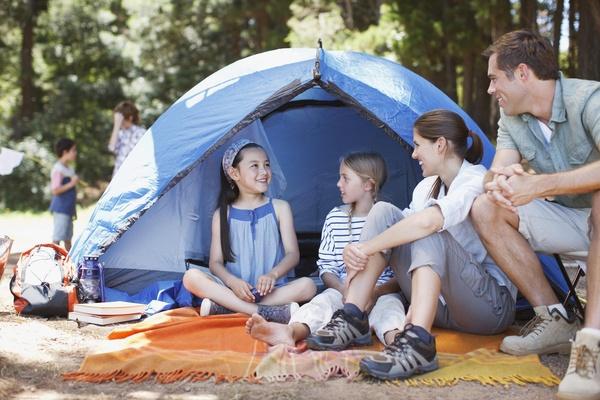
“There! Now, it’s so cozy!” my 3-year-old daughter exclaimed after setting up her pillow, blanket, and (of course) toys inside the tent during her first camping trip a few weeks ago. We wanted to check out a nearby state park and found a weekend with good weather and a full moon to go with friends. I didn’t grow up camping, but my husband did. Now, we’re figuring out what camping looks like together as a family. It takes effort and planning, but the fresh air and fresh perspective makes it all worth it.
“There are biological benefits to being in nature,” said Will Shafroth, president and CEO of the National Park Foundation, which focuses on connecting people to the outdoors and visiting the national parks. “For people who really want to do something good for their kids, get them into nature.”
If you or your kids have never been camping before, it can feel like a big undertaking. Consider what you need to prepare ahead of time and what you want to get out of the time together outdoors, but be open to whatever happens. “Use the opportunity to be intentional about creating the experience you want to create and then frankly, letting nature run its course. Nature is going to show you things and have you experience things that you can’t anticipate,” said Shafroth, who has taken his own family on many camping trips.
Here are 10 ways to make sure your family campout is a success!
- Talk about what you’ll do. My son had been camping once before, but this was the first time for my daughter. We talked through what it might be like for days leading up to our trip and reinforced it with books about camping from the library and then watching shows of our favorite PBS KIDS characters going camping. Both of my children had fun preparing by playing the Elinor's Curious Campout game from "Elinor Wonders Why."
- Practice. Before you go to a campground, maybe try sleeping in a tent one night in the backyard or even inside your home. Go on a hike or walk on a trail to explore the outdoors for a shorter amount of time before going on a bigger trek or taking a trip farther away from home.
- Involve your children in the effort. Camping requires a fair amount of gear and planning for a night away. Think through together what you need and what you don’t need. Talk about what you’ll eat and what that requires you to bring for each meal. We asked our kids to help pack their own clothes, pillow, and favorite toy, and then put their things in the car. Once we got to the campsite, they got to play an active part of getting it all unloaded and set up.
- Bring comfort items. Camping changes your surroundings, so finding ways for your kids to feel comfortable with a favorite blanket or toy can go a long way. Setting up the sleeping bags and stuffed animals inside the tent was my daughter’s favorite part of the entire trip and made the transition to bedtime much smoother.
- Set realistic expectations. Whether you’ve never been camping before or have been dozens of times, there’s always a chance something unexpected might happen. You might encounter bad weather or wake up more often throughout the night. Remind yourself and your children that each time you go, you learn something new and will feel more confident and prepared for next time.
- Explore your environment. See what you discover on a nature walk or make a list of possible things to look for on a group scavenger hunt. When Daniel Tiger goes camping, he and his friends search for “nature treasure” such as a pinecone, acorn, mossy rock, and seeds. You might be surprised by what you find!
- Equip and empower your kids. When kids have their own resources like a flashlight to see, a guidebook to refer to, or a map to help navigate, they build confidence and make connections on their own. In “Molly of Denali” Trini goes on her first camping trip with their nature group, but hasn’t earned any badges yet. As a group, they work toward earning their “night watcher” badge by finding and observing nocturnal animals. Using a field journal with information about the animals from the region, they mark down their observations and learn more about what they see and hear.
- Go with others. Camping can be a great bonding experience, so sometimes going with another family or group means sharing the responsibilities, discoveries, and the fun! In the “Family Campout” episode of “Daniel Tiger's Neighborhood,” Daniel and his dad go camping together with friends. They all contribute something different: Dad Tiger brings stew to share, and Music Man Stan brings his guitar to play music around the campfire.
- Ask what’s different. You might eat different foods (like s’mores!) or hear different sounds while sleeping outside. Welcome what’s different as an adventure, but acknowledge the parts that might feel scary. When Nature Cat goes camping, he and his friend, Donald, are both feeling frightened by the unfamiliar noises from bugs, birds, and the breeze, but they agree to stick together to overcome their fears.
- Celebrate the adventure. Enjoy your time together, embrace the opportunity to face new challenges, and live in the moment. Shafroth said, “You plan a lot to get there, to create the opportunity for a successful trip. And then when you get there, you kind of let go of some of the planning and you just ‘be’ in the experience together, which is pretty cool.”
 Author: