
Making New Year's Resolutions With Your Child


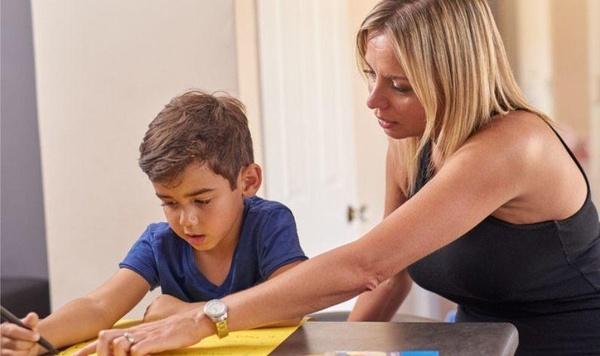
For many of us, the New Year means it's time to take stock of our lives and fix what we don't like. Whether it's our diet, exercise routine or tendency to procrastinate, there is always room for improvement in the coming year. We aren’ the only ones who benefit from New Year's resolutions. Our children can also learn a lot about self-discipline and the value of making goals. Here are some tips on how to help your kids benefit from making resolutions.
Make It a Family Activity
The best way to teach your children the importance of New Year's resolutions is by making it part of the family tradition. Sit down each December and reflect on the past year. Discuss your accomplishments and goals, as individuals and as a family. In your resolution conversation you can each talk about what worked this year and what didn't.
Dr. Benjamin Siegel, professor of pediatrics and psychiatry at Boston University School of Medicine, suggests saying, "Each one of us is going to state a few things that we want to continue to do and things we'd like to change that would make us feel better about ourselves and how our family works."
Each family member gets a turn sharing something they are proud of and something they want to improve. It may help for parents to go first, to give children a model. If your child is old enough to write, he or she should write down their accomplishments and goals. You can help your younger child by writing theirs down.
Resolutions for the entire family might include taking a monthly hike. They can also include playing board games twice a month or committing to more volunteering activities. Try to limit the number, so they are more doable and more meaningful. "A list of 100 things is impossible," Siegel says. “It should be based on things that are doable without economic hardship."
You can make a master list to hang in a public spot, like a bulletin board in the kitchen. Dr. Kathleen Clarke-Pearson, a clinical assistant professor of pediatrics at the University of North Carolina School of Medicine, suggests making a resolution box. Each family member can drop in his or her resolutions. Then, they can pull them out at a later date to review them.
Different Resolutions for Different Ages
What your child needs to work on depends on your child. If you are concerned about their diet, then encourage healthier eating habits for them as well as the whole family. If your daughter's room is a mess, try to help her commit 10 minutes a day to cleaning it. As your child ages, they can be more active in coming up with goals. Goals will mean more to them when they achieve them.
For preschool-aged children, the American Academy of Pediatrics (AAP) recommends resolutions that focus on cleaning and being kind to pets. However, parents who consider these behaviors part of their regular expectations may want to provide resolutions that focus on higher goals.
Clarke-Pearson suggests preschoolers be encouraged to work on listening and helping skills. A resolution could be "I will be a better listener when Mommy or Daddy asks me to do something." Or "I will help out more when Mommy or Daddy asks me." If you keep it simple, your child is more likely to understand the concept as well as succeed.
As a child reaches age five and up to age 12, they are more able to comprehend a resolution and participate more in the process of picking one. The AAP suggests this age group commit to drinking more milk and water on a daily basis. Or, wearing a seatbelt and being friendly to all children. What your child needs to work on is very personal. So, work with your child to come up with areas for improvement. Are they having trouble with a certain subject at school that needs more attention? Are they oversleeping and nearly missing the bus most mornings?
The AAP recommendations focus more on the child taking more responsibility for their actions when they reach their teenage years. This can include taking care of their body or dealing with stress in a healthy way. Also, talking through conflict, resisting drugs and alcohol, and helping others through community service.
Serve as a Role Model
No matter what age your child is, they are more likely to understand the value of goal setting if you take the lead. Just as with everything else you do, your child is watching. "Parents should be reflective about how they wish to be in the coming year," Siegel says. "It's a good chance to promote good mental and physical health."
Think of how you can include your child in your resolution. "I'm going to drink more water this year, because water is good for me. Do you want to join me?" If you are finding yourself checking your email when you should be spending time as a family, consider working that into a goal. "I'm going to turn off my phone when I get home. Can you remind me and also remember to keep your computer in your room until after dinnertime?"
Rewards Are Long Lasting
We all know the feeling of meeting a goal. It could be losing five pounds, quitting smoking, or putting in extra hours to earn a promotion. Children also relish that thrill of accomplishment. Especially when their parents recognize it. As you go over the family list of resolutions each month or quarter, take time to recognize the successes. Also, reinforce the resolutions that need more attention. "Children will benefit by having the parent praise them, which will improve their self-esteem," Siegel says. "This will help them with self-regulatory behaviors that they can integrate into being a healthy adult."
When you sit down to review resolutions, this is not time for punishment. It's important to be flexible and understanding. Especially if the child is making the effort. "You don't penalize if you don't fulfill a resolution," Clarke-Pearson says. "The resolution is not written in stone. It's a guide."
However your family arrives at resolutions, the best part is that you're doing it together and learning how to manage your role not only in the family but also in the larger world.
 Author: