
On Parenting: When My Child Received His Autism Diagnosis


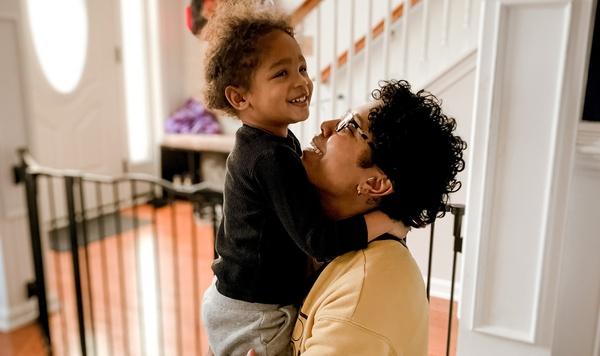
In November 2018, my oldest son, Jackson, was diagnosed with autism spectrum disorder.
Our journey started at Jackson’s regular 18-month doctor’s visit. I took him in, expecting it to be like previous check ups — with no serious concerns. At the time, he was babbling a lot. They weren’t really words, but I had convinced myself he was saying “Mama” and “Dada.” It had crossed my mind that he was a little behind in talking, but I thought it was because he hadn’t been around many kids his age. He was just a late talker. But the new-to-us pediatrician proceeded to tell me he was “very concerned” for Jackson and recommended I get him evaluated before “he falls even more behind.” At the time, I was pregnant with my second son and my hormones were all over the place, so his words pushed me over the edge.
I can admit now that I was in denial. But at the time, I disregarded the pediatrician’s opinion — he didn’t know my son! My husband, Matt, on the other hand, knew in his gut something was different with Jackson and insisted we have him evaluated.
Getting an evaluation
I reluctantly took Jackson to our state’s early intervention program. They asked Jackson to perform a series of activities that would determine if he could be accepted to the program. As part of their routine, they also ask questions that could indicate if the child has autism. I don’t remember most of the questions, but when I read the last question, it was clear to me that our parenting journey was going to take a massive turn. I looked at the interviewer and asked, my voice shaking, “Is it normal to be nervous for them?” She handed me a box of tissues and said, “Absolutely.” She then turned to my son and asked, “Jackson, can you come over here?” The test was to see if he responded to his name. Although I knew what was going to happen, I held my breath hoping for a different outcome.
But he didn’t respond. He failed the test.
I bawled in front of the interviewer because I was scared. Scared for Jackson. Scared for Matt. Scared for me. What did this mean? What did we need to do? The interviewer saw the panic on my face and calmly reassured me: “Remember why you brought him here. You’re taking this important step for your child and your family — to make it better for everyone. If he needs therapy, we can see to it now and get him started. If it’s nothing, you’re taking the steps required to follow through and rule it out. There is no need to worry about the results — whatever they are. I know people bring their kids here to try to help them, but they also expect us to tell them what's 'wrong' with their child. That's not what we do.”
She was so right. Regardless of what any test said about Jackson, there was nothing wrong with him. We were taking steps to help him and our family.
The diagnosis
After this initial evaluation, we soon discovered we had to jump through many hoops to get an official diagnosis, which is needed in order to receive therapy. We were placed on a waitlist, which meant that we wouldn’t see doctors to get a diagnosis for another six months. And because it takes time to evaluate the results and meet with therapy providers, Jackson wouldn’t receive therapy for at least eight months. That didn’t sit well with us, so I took it upon myself to search for local, private psychologists that could perform the tests. Fortunately, we were able to do this, but not everyone can afford to see medical professionals on their own. Luckily, I found someone within the month.
By the time Jackson was 22 months, just four months after his doctor visit, we had a full diagnosis of mild to moderate autism spectrum disorder due to lack of verbal communication and sensory processing disorder.
At this point, we weren’t surprised at the news. My husband and I had already begun mourning and still surfaces every now and then. Although we did not lose a child — and I cannot imagine that heartache — in the special needs community, mourning your imagined child is a common concept. When you become parents, you automatically start dreaming of your child's future: when they go to school, what they’ll grow up to be, when they’ll marry, etc. When your child receives a special needs diagnosis, some of those dreams, if not all of them, shatter. That child you’ve been thinking about may have a different life than the one you’ve been imagining for them and it hurts.
Life after diagnosis
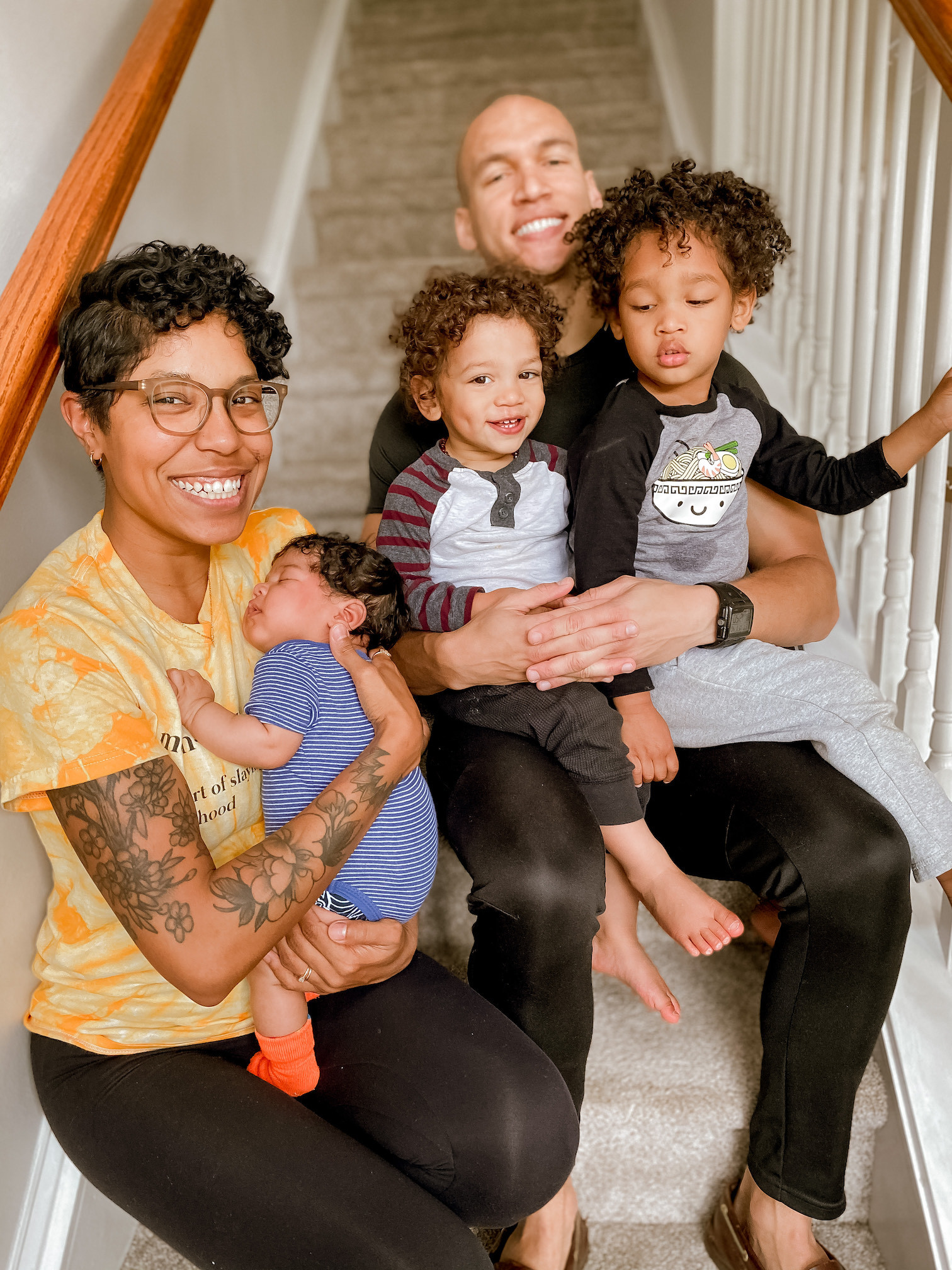
It’s been almost a year and a half since Jackson’s diagnosis and he’s doing great! He has been receiving behavior and speech therapy for about a year, and now has two phrases that he communicates with a communication board he points to, and can sit in one place for 30 minutes playing with toys and doing activities.
Our family has grown during this time — Jackson now has two younger siblings. Jackson doesn’t always acknowledge them, but he’s learning to interact with them. He enjoys playing tag with his younger brother, smiling and laughing as they run around. I know that my younger two will develop empathy and patience as they grow up with a brother with a disability. It’s still a little jarring for Matt and me to think about how our 18-month-old has hit developmental milestones that Jackson hasn’t yet — and we know he’ll end up being the younger-older brother to him, but those are the cards we were dealt.
Getting Jackson’s autism diagnosis wasn’t a death sentence to us. We did have to change courses along our parenting journey and we continue to hit lots of bumps along the way. It does throw out the parenting manual you’ve most likely been studying cover to cover, but try not to panic! We special needs parents are resilient, and, even though it can be difficult, it’s also rewarding. Every milestone Jackson hits is celebrated by everyone: him, his therapists and us. All we want is to see our child succeed, regardless if it’s a different path than we had dreamed.
To learn more on the signs of autism, go to healthychildren.org.
 Author: