
7 Picture Books About Patterns


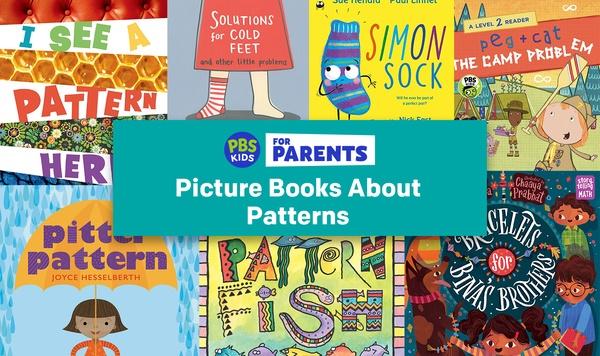
Have you ever noticed the pattern of bricks on a building or a checkerboard pattern on a bathroom floor? If not, there’s a good chance your kid has! Lots of children love finding and creating patterns. Patterns — which is anything that has a repeating order — can comfort kids as they learn what comes next through making predictions and finding solutions.
Finding and following patterns helps kids connect to more math and problem solving concepts as they grow. Check out these picture books to help your child understand, name, and create patterns — and find solutions to everyday problems. (Don’t forget to check out Odd Squad to become an official Patternista!)
Peg + Cat: The Camp Problem(opens in new window)
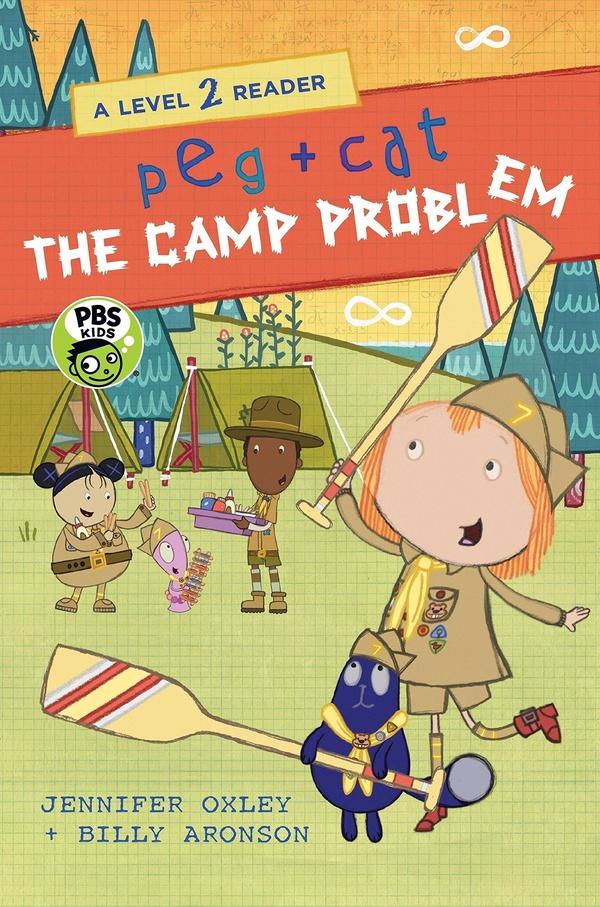
Peg, Cat, and her friends are at camp when they’re tasked with a challenge: Who can figure out the winning pattern? The winning bunk earns ten points, plus an extra five for being a good sport. Which bunk win?
Try this: Write the numbers one through ten on a sheet of paper. Point out how you can count by twos using patterns. Circle every other number and count by two.What other patterns can your child find?
Pitter Pattern(opens in new window)
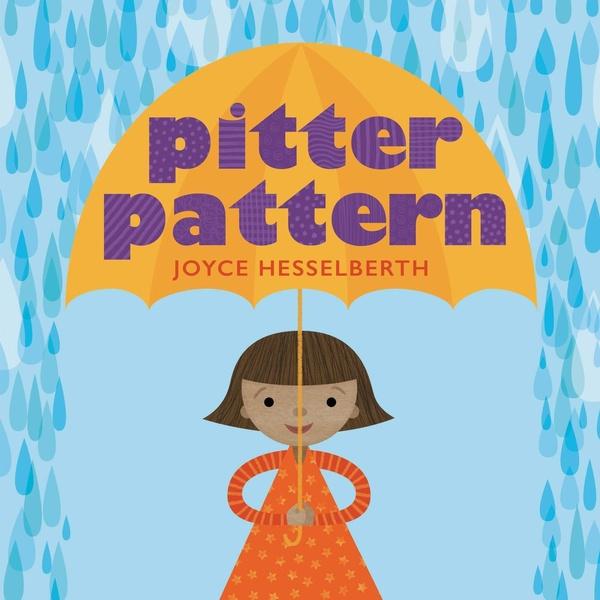
Lu and her friends love spotting patterns around town — at soccer practice, piano lessons, and even snack time. This colorful book includes puzzle-like illustrations that show everyday patterns to children as they try to guess what comes next.
Try this: Point out patterns during your daily routines — the stripes on a shirt, tile on the floor, or beads on a bracelet. Ask your child to guess what colors or designs will come next.
Bracelet’s for Bina’s Brothers(opens in new window)
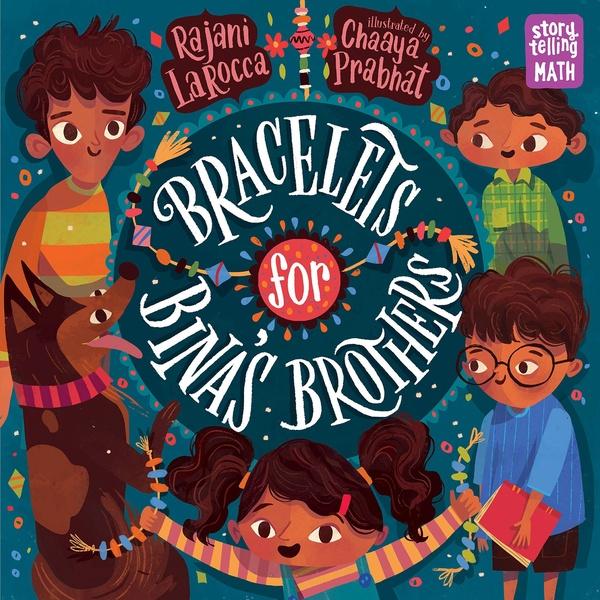
Bina’s family celebrates Raksha Bandhan, a Hindu custom honoring the special bond between brothers and sisters. Bina makes bracelets for her older brothers and discovers patterns as she creates different bead combinations.
Try this: Bina creates an every-other-one beading pattern. Can your child name these ABAB and AABB patterns? Try following these patterns using everyday items like blocks or balls.
Simon Sock(opens in new window)
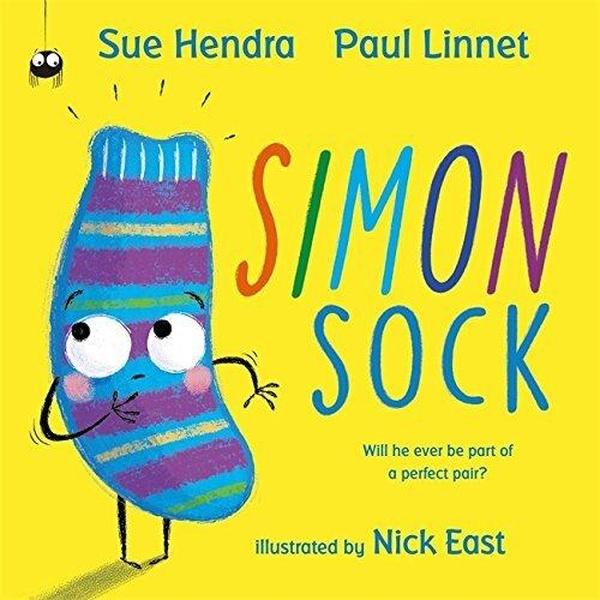
Simon is a sock. He wants to find his matching sock so he can finally be picked from the drawer. With the help of a friendly bear, he meets sock after sock, but they don’t have quite the same pattern or color. In the end, he finds an unlikely match.
Try this: Ask your child why Simon doesn’t match most socks. Do they have different colors or patterns? While you read, ask your child what kind of stripes Simon has and what his matching sock would look like.
Solutions for Cold Feet (and Other Little Problems)(opens in new window)
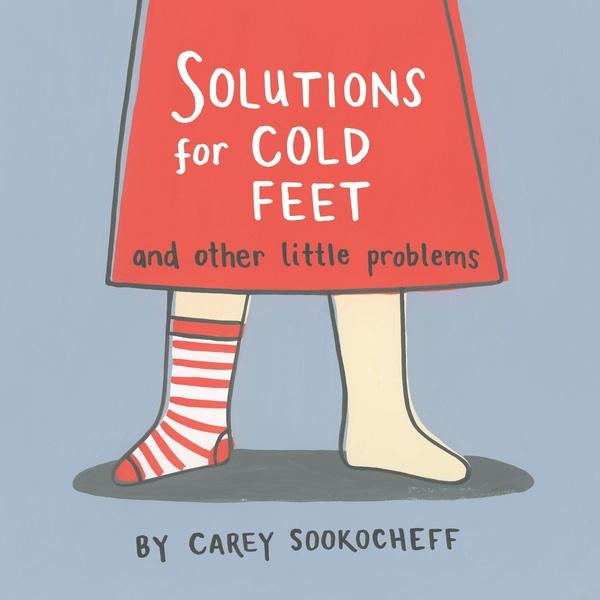
Missing a shoe? Caught in the rain? What would you do? This book of real-life problems will have young readers thinking of ways to solve trick everyday problems.
Try this: While reading, pause after each request for solutions, and talk about ways you could solve the problem. Compare your list to the solutions shared in the story.
I See A Pattern Here(opens in new window)
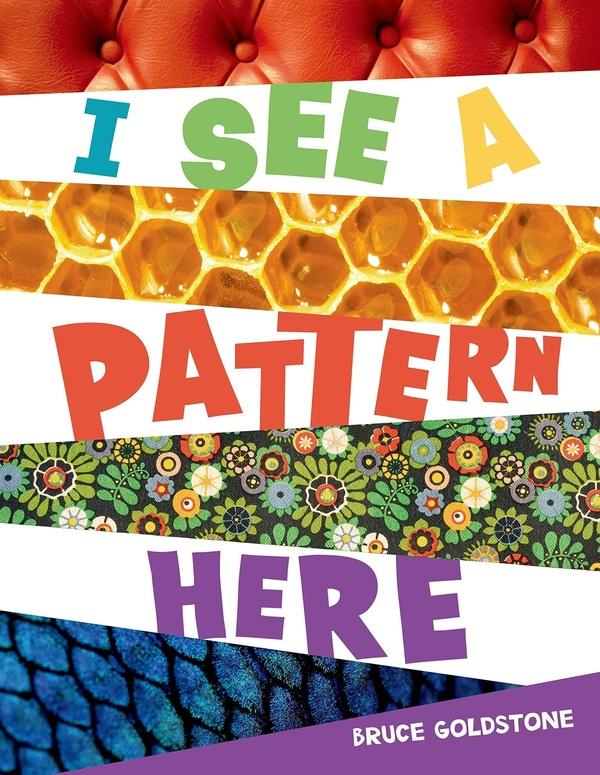
From beehives to brick walls, patterns are all around us! This book features photographs of examples of patterns in the real word that will inspire kids to look for and create their own patterns.
Try this: There are many ways to make patterns. You can even use the same shape to create patterns by sliding, flipping, and turning it. For example you can make a pattern by arranging pentagons in different ways by turning them slightly as you repeat them or joining two pentagons together and creating a new shape.
Pattern Fish(opens in new window)
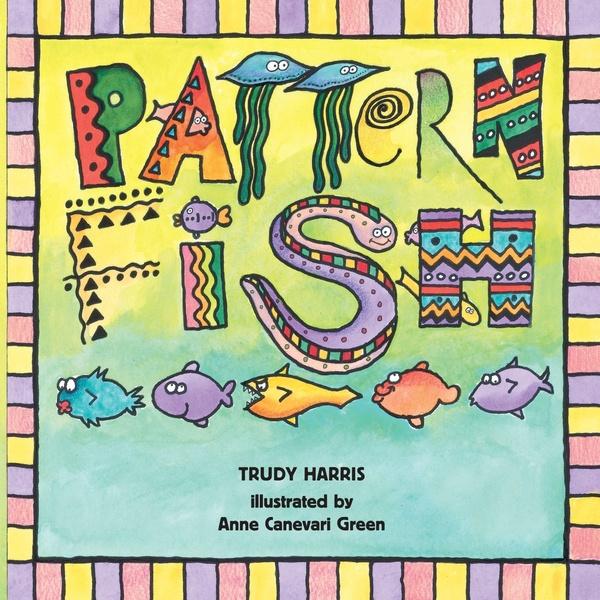
Charming rhymes and colorful creatures introduce a world of patterns that grow more challenging with each page. Readers find amazing patterns on each sea creature’s body, how they eat, or where they live.
Try this: Ask your child to identify, say, and continue a pattern from the book after it ends. For example, when the sea horse eats, it sounds like “chomp-chomp-munch-munch, chomp-chomp-munch-much, chomp-chomp…” Can your child say what comes next? (This pattern follows an AABB pattern rule that would continue with munch-munch.)
 Author: