

Practicing Computer Science Skills Anytime


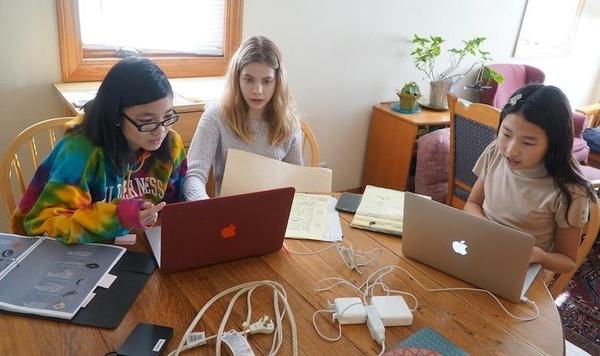
As parents, we are constantly getting advice on how to prepare our children for the future. At the same time, the tools they are using to learn, like tablets, computers, and the internet, may be very different than the ones we grew up with. We know it is important to make sure our children are ready for their digital futures, and understand the role learning computer science plays in that preparation. But how do we introduce it to our youngest learners?
For this young generation, computer science will be a part of many aspects of their lives — even if they don’t become professional computer programmers. While many schools do not start computing classes until middle school, there is no need to wait to introduce your child to computer science. Computer science is much more than learning how to write computer programs or building your own computer. The fundamental skills and ideas that underlie computer science are called computational thinking, and they are based on creative thinking and problem solving.
Computational thinking practices set up learners for more than working on a computer. Building your child’s computational thinking skills will increase her confidence and better prepare her for the road ahead. Best of all, you are probably already using computational thinking practices in your everyday life. Here are some ways you can practice computational thinking skills as a family:
Decomposition
Decomposition helps your child solve complex problems by breaking them down into small, manageable parts. Think of a big chore you do with your kids, such as cleaning a bedroom. Tackling the messy room may feel overwhelming, so what do you do first? By breaking the large problem – cleaning the room – into smaller pieces, like picking up toys, making the bed, and sweeping the floor, you are practicing decomposition and solving a problem one step at a time.
Debugging
Debugging means problem solving by testing solutions and making adjustments until the problem is solved. Debugging is crucial in computer programming, as well as engineering and experimenting. Being intentional about debugging can be as simple as vocalizing your thought process to your child while you work through problems together. For example, “I don’t know why your toy isn’t working. What can we try first to make it work? Should we see if it needs new batteries, or maybe there is something stuck in the wheel? Let’s test it out!”
Persistence
Persistence is your ability to power through when the going gets tough. Children are constantly adjusting their world views when confronted by new information. It is only by persisting in tasks that may be difficult, like learning to ride a bike, or reading a book, or working a computer program, that children can master new skills.
Pattern Recognition
Kids love patterns! Recognizing and creating patterns can be a fun game for young children, but did you know that pattern recognition is also important in computer science? Part of the amazing power of computer programming is repeating patterns in complex systems so that a computer can use repetition to make something simpler.
Computer science is so much more than just programming robots or creating a video game. It can be extremely fun for all ages. Best of all, you don’t have to be the expert! Here are some fun ways to weave computational thinking into your family’s everyday lives, with or without a computer:
Watch
- SciGirls episodes: Season five of SciGirls premieres on December 12! The SciGirls STEM adventures continue with a focus on a critical 21st century skill: coding. These five new high-tech adventures feature bright, curious girls teaming up with a variety of diverse women who are tech professionals to explore everything from coding to digital design to analyzing big data — all while growing their computational thinking skills!
- SciGirls Role Model Videos: Introduce your family to these short, exciting videos of diverse young professionals sharing their experiences as STEM superstars. These role models talk about their challenges and triumphs in the workforce, encouraging your child to explore STEM studies and career pathways.
Play
- Codequest: In this online adventure, your child will take Subbie the submarine through underwater challenges, learning to code to help find various items on the ocean floor.
- Aquabots: Your child will learn about persistence and debugging by designing an underwater ROV to help retrieve the ring from the water in this online SciGirls game.
- PBS KIDS ScratchJr App: Kids learn to code by creating their own interactive stories and games featuring their favorite PBS KIDS characters using this app.
- Robot Turtles: Learn basic concepts of computer programming by playing this engaging board game for ages 4-8!
Read
How to Code a Sandcastle(opens in new window)
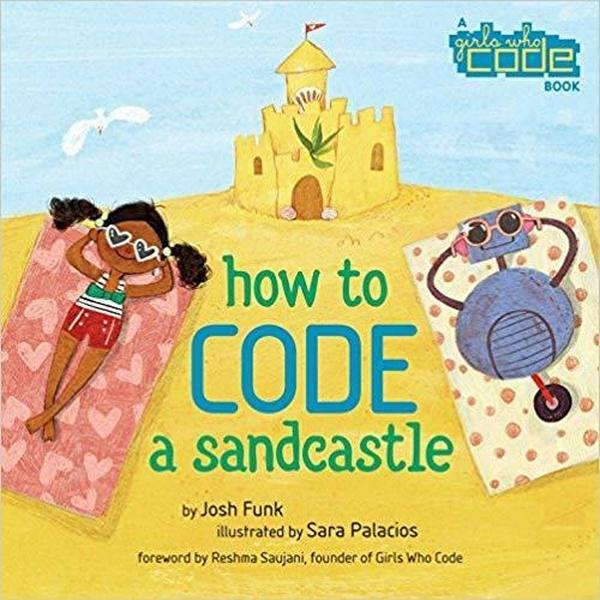
Using fundamental computer coding concepts like sequences and loops, Pearl and Pascal break down their sandcastle problem to create working code and have the best beach day ever.
Rosie Revere, Engineer(opens in new window)
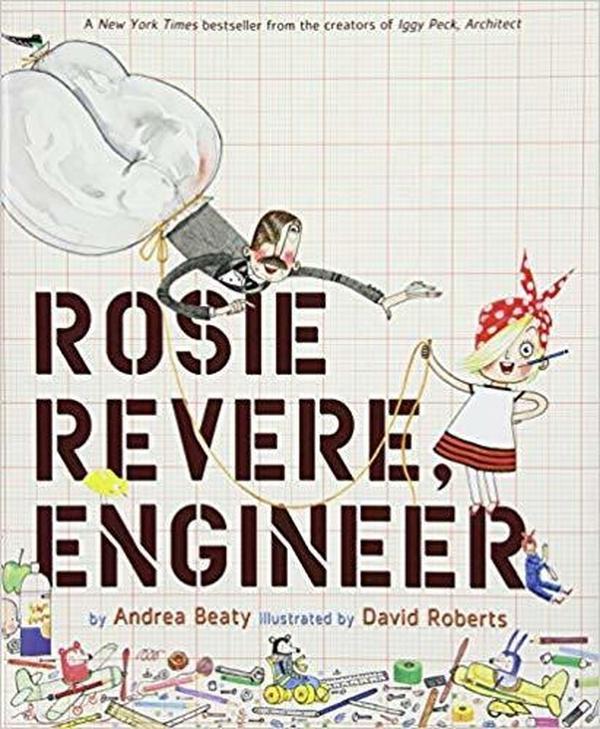
Rosie Revere dreams of becoming a great engineer! Where some people see rubbish, Rosie sees inspiration. But she's afraid of failure and hides her inventions away under her bed — until a family member shows her what it means to really succeed.
Hello Ruby: Adventures in Coding(opens in new window)
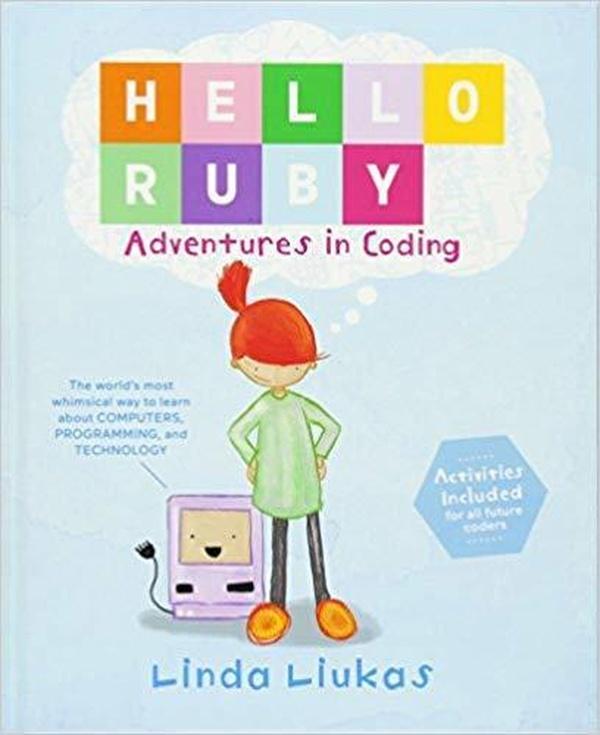
Meet Ruby ― a small girl with a huge imagination, and the determination to solve any puzzle. Kids will be introduced to the fundamentals of computational thinking, like how to break big problems into small ones, create step-by-step plans, look for patterns and think outside the box through storytelling.
The Friendship Code #1(opens in new window)
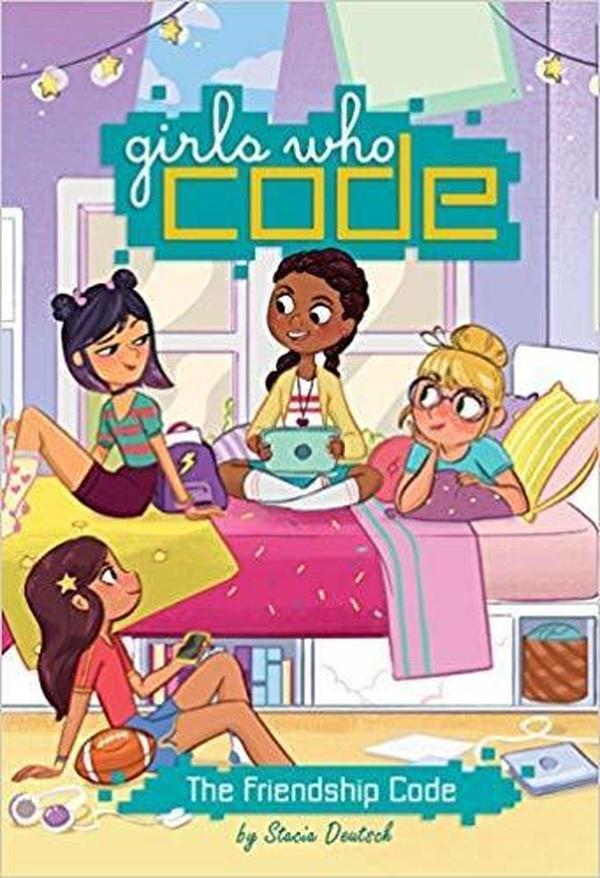
Lucy begins to get cryptic coding messages on her new app and needs some help translating them. She soon discovers that coding ― and friendship ― takes time, dedication, and some laughs!
My First Coding Book(opens in new window)
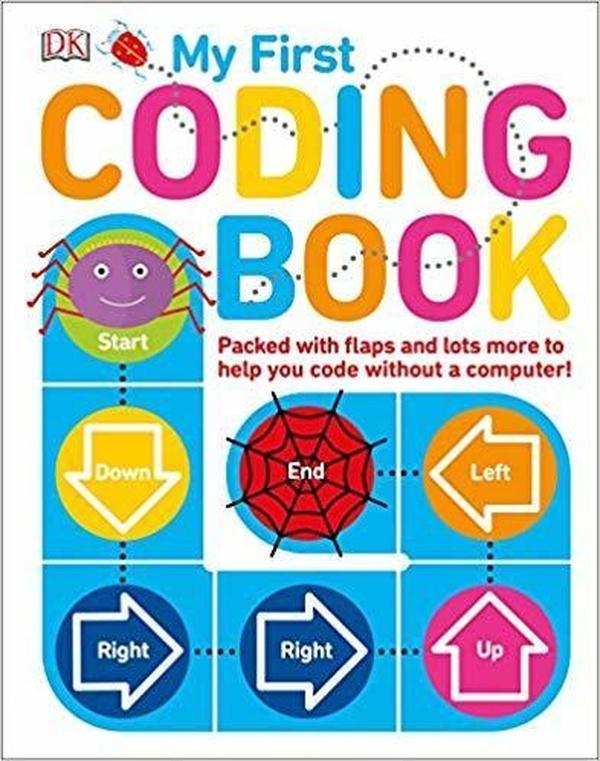
Filled with puzzles, mazes and games to teach the basic concepts of sequences, algorithms and debugging, this book will help children develop critical thinking, logic and other skills to cement lifelong computer literacy.