
Raising a Lifelong Reader: Tips for Reading with Your Child


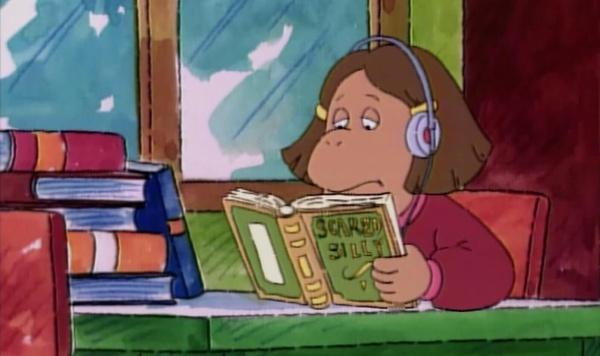
In addition to helping develop children’s social and emotional skills, "Arthur" has been encouraging children to read and build literacy skills for over 20 years. Before "Arthur" became an award-winning television show, it was a popular book series by Marc Brown, and the books continue to be in demand in libraries and bookstores. The joys of reading and writing are frequently part of the "Arthur" episodes. And even when Arthur and his friends find reading challenging or are tempted to spend too much time with the latest toy or gadget, books are always shown as an important source of entertainment, information and comfort.
You can help your child grow into a lifelong reader. Here are some tips to get started.
Start reading with your child when they are infants.
Between the ages of one month and two years, children’s language development grows rapidly. Children this age love hearing the sound of your voice, turning the pages of books and looking at illustrations. Books are a great way to introduce new vocabulary and new concepts. Snuggling up to read books together is also a wonderful bonding experience.
Read often and regularly.
Children, especially before the age of 2, should have very little screen time (including smart phones or other devices). Try to make reading a regular event — and not just at bedtime. There are many other times during the day to read together, such as after lunch or nap or before getting dinner ready. Reading can be a good way to help your child calm down and focus. If you have a regular time and place for reading together, children will look forward to it. It’s also a way of emphasizing that reading is a special time that you share.
Let your children help select the books.
Whether you are at the public library or at home, give your children a chance to choose which books they are in the mood to read. This helps them feel empowered and gives them a chance to practice making choices.
Repeat favorite stories as often as your child wishes.
Even though you may get tired of reading the same story over and over again, most children love this kind of repetition. By hearing the same story repeated, children enjoy knowing what to expect, learn to associate words on the page with their meanings and even memorize the story itself. Your child may pick up a familiar book and “read” it by recalling bits and pieces of the story. This is one way children get ready to learn how to read.
Interact with your children when reading.
Don’t worry about giving a dramatic performance when you read. Give your child time to talk about the plot, characters, and meaning of the story. Pause and let your child ask questions or save time at the end to reflect together on what you’ve read. Ask your child questions such as, “What happened in the story? How did it make you feel? What did you think about the ending?” This kind of exchange also gives you a sense of what your child is thinking and imagining as you read together. It also helps your child gain more information about people, places, and problem-solving.
Reading is for the whole family!
Having the whole family read together can help foster strong relationships. Encourage siblings, grandparents and other family members to join in. Make sure everyone feels they have an important role to play in family reading sessions. Older siblings can take turns reading or act out parts of the story.
Take regular trips to the library.
Even babies will enjoy crawling around the children’s room at the library. Start when your children are young and make going to the library part of your family routine. In addition to books, most libraries lend magazines, DVDs, games and other items, as well as offering programs such as story hours. You’ll also get to meet other families and take advantage of free services such as computers, tutoring and book clubs.
Model the importance of reading in your own life.
If you can, have lots of reading material in your house — newspapers, magazines, books, catalogs — as well as pens, pencils, paper and other writing equipment. Let your child scribble patterns and pictures or make shopping “lists.” Limit your own screen time, if possible, and relax by reading. This helps underscore the idea that you value reading and writing.
Read about… reading!
Encourage a love of reading with books that celebrate the pleasures of a good story. Try one of these or ask your school or public librarian for more suggestions.
Lola at the Library(opens in new window)
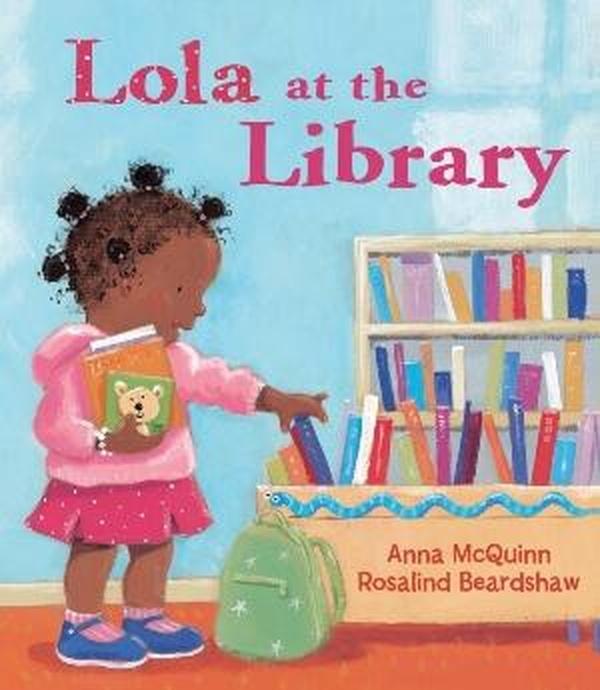
Every Tuesday Lola looks forward to going to the library with her mom.
Look!(opens in new window)
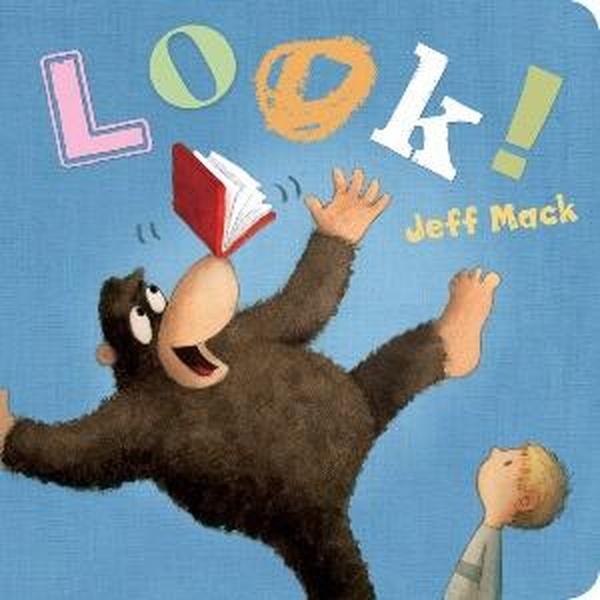
A friendly gorilla shows a little boy what fun reading can be.
How Rocket Learned to Read(opens in new window)
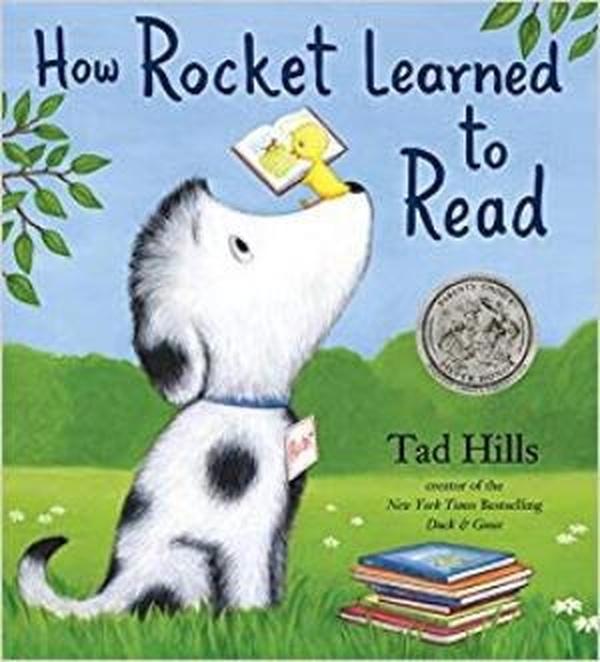
A little dog learns to read with the help of a tiny yellow bird.
Wild about Books(opens in new window)
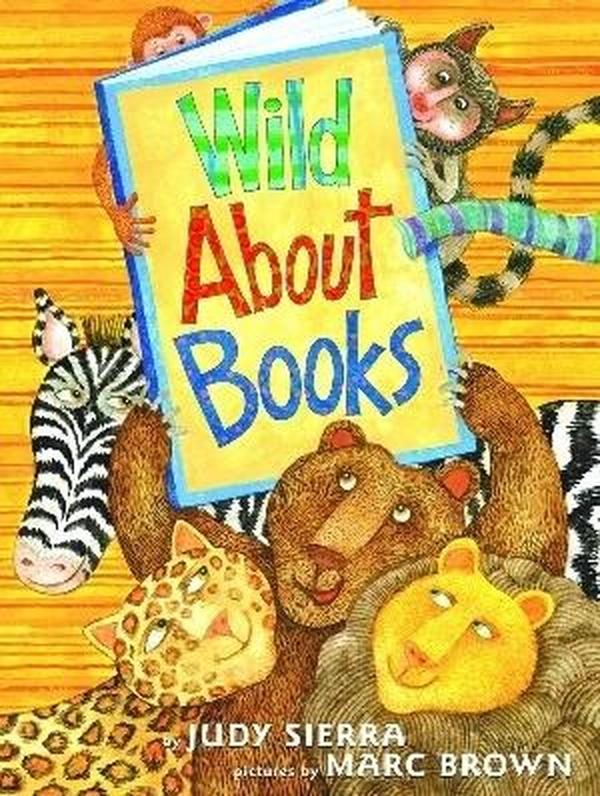
When a bookmobile makes an unscheduled stop at a zoo, all the animals discover that they love books and reading!
 Author: