
Raising Info-Kids!: Using and Creating Informational Texts at Home


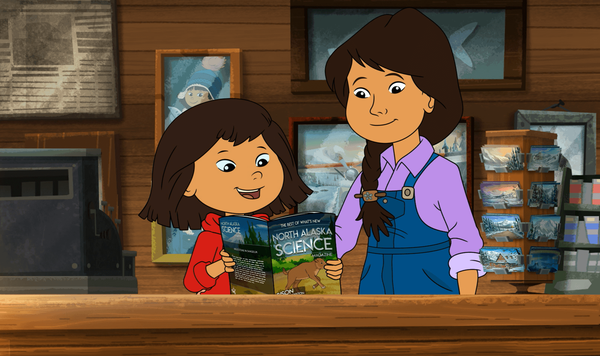
Field guides, maps, calendars and photos. What do these items have in common? They are informational texts! In the new PBS KIDS series, Molly of Denali, adventurous 10-year-old Molly Mabray lives in Alaska where she uses informational texts to explore the world around her, solve problems and help others in her community.
Informational texts play an important role in children’s school success and our everyday lives. What’s great is that you as a parent or caregiver are already using informational text with your child through daily activities, such as writing family recipes together or reading about a place to visit. Young children will begin to understand that people use and create informational texts to meet their needs and wants. Over time, children’s ability to read and write informational texts benefits their development of literacy skills as well as Science Technology Engineering and Math (STEM) and social studies learning.
What is informational text?
Informational text is any text created for the main purpose of providing information. Informational text can be created using written words, oral language, visuals, or a combination of these forms. Examples of informational texts include:
- Nutrition labels
- Recipes
- Maps
- Informative podcasts
- Science articles
- Many websites
Informational texts are written for specific purposes, such as to explain information about the natural or social world that you might read in science or social studies class in school. At home, a website on dogs may be helpful to decide which breed would be a good option for someone with allergies. Informational text can teach us how to do something, such as DIY crafts and board game directions, or can support us in completing everyday tasks, like a grocery list!
If you have difficulty determining whether a text is informational, ask yourself, “What is the main purpose of this text?”
In each episode of Molly of Denali, Molly’s life and adventures are enhanced, illuminated, and broadened by using and creating a variety of informational texts, including books, online resources, field guides, historical archives, indigenous knowledge from elders, maps, charts, posters, photos, and more.
How can you support your child in learning from and about informational texts?
Here are a few suggestions:
1 Start with your child’s interests.
Help your child conduct internet searches for books, articles, images or videos on topics or questions of interest. Does your child love dinosaurs? Dolphins? Dogs? As you are searching, encourage your child to help you think of good search terms.
2 Make errands efficient.
Make a list of errands with your child and then use a map to plan the route together. Ask your local librarian for kid-friendly informational books and other materials related to the errands, such as books about how certain grocery store foods are made.
3 Cook up some learning.
While cooking your child’s favorite meal, talk about the ingredients and steps. Help your child write down the recipe or video record the preparation as your child states each step (“Cut...” “Stir...”). You can then edit the video together and note each step. These recipes would be great to share with friends or other family members, especially for occasions when your little one is their guest!
4 Watch Molly of Denali on PBS KIDS!
As you watch Molly of Denali with your child, talk about the different types of texts Molly uses and creates. Discuss how Molly uses these texts to solve real-world problems, satisfy her curiosity, take advantage of opportunities, teach others, and accomplish tasks. Let Molly’s adventures inspire you and your child’s explorations in your home and community.
Engaging with informational texts at home and in your community are opportunities to support your child in developing literacy and problem-solving skills, cultivating their interests, and becoming engaged citizens. Most importantly, it is an excellent opportunity to spend time with your child, making the most of your everyday experiences together.
 Author:
Join Molly, an Alaska Native girl, and friends on their adventures in beautiful Alaska.