

Simple Ways to Explore Animal Life With Your Child


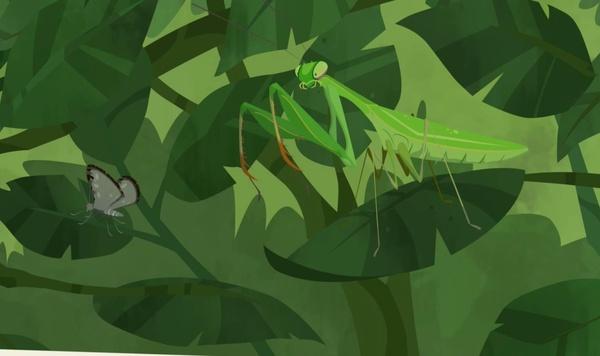
The Kratt Brothers have been “creature adventurers” since childhood, spending their youth playing in the woods and camping under the stars. On Wild Kratts, the brothers encourage their audience to become animal experts, too — keeping an eye out for animal life and observing it in a way that does not harm creatures or their habitats.
Whether you live in the city or the country, here are a few ways you can help your child become a creature adventurer.
Hunt for Habitats
Take some time to discover the animals and insects that share your neighborhood. What critters live near you? What can you figure out about where they live, what they do, and what they eat? Take a walk around the block or through a local park to look for clues. These might include:
- Animal tracks: Look for animal tracks in the dirt, mud, sand or snow. Were they made by a big animal or a small animal? A mammal or a bird? If you find an unusual track, snap a picture and identify it at home using online resources such as NatureTracking.
- Creature structures: Hunt for bird nests in trees, in shrubs, or nestled against buildings. What size and shape is it? What materials is it made of? What other creature homes can you find: Squirrel or rabbit nests? Ant hills? Deer dens? Wasp nests? Spider webs? Mouse burrows?
Go on a Bug Hunt
How many bugs can you find in an afternoon? Here are a few places to look:
- Rocks: Gently pick up a rock and look underneath. Chances are you will find a few little creatures who have made their home in the cool dirt.
- Wood: Hollow logs and fallen branches often become home to all kinds of bug life.
- Ponds: Ponds are full of activity — and a great place to use a net to catch, observe, and release insects.
- Flowers beds: Many insects, including butterflies and bees, use flowers as a food source.
Listen to Bird Songs
We’ve all heard bird calls floating through the air, but how many of us can identify which feathered friend is singing? Listen carefully to a bird song with your child, then try to mimic the sound you hear. Look around and see if you can spot the singer. Want to take your birding to the next level? Use the resources at Cornell University’s bird lab – including their free app Merlin – to identify the birds you see and hear!
Go on a Night Walk
Some creatures remain largely hidden during the day. After the sun goes down, take a walk around your neighborhood and search for signs of nocturnal animals and bugs. Depending on the time of year and your location, you might see or hear the following:
- Crickets
- Bats
- Foxes
- Racoons
- Owls
- Deer
- Mice
- Rats
- Geckos
- Salamanders
- Fireflies
- Skunks
- Hedgehogs
- Raccoons
- Toads
Plan a Trip to a Zoo, Aquarium, or Local Farm
To expand your child’s experience with animals beyond the neighborhood, plan an outing to a zoo, aquarium, Audubon center, nature center, or farm near you. See how many new animals you can discover!
 Author: