

Stargazing and Other Astronomy Activities You Can Do With Your Kids


As we watched the sun go down after a long day at the beach last summer, my three-year-old turned to me and asked, “Mommy, where does the sun go at night? Does it fall into the ocean? Does it turn into the moon? Does it... die?”
Space is a fascinating and sometimes confusing topic for kids. Ready Jet Go! helps take the complexity of space and explain it in language kids can understand. If you want to take their curiosity further, here are a few simple ways parents and kids can explore the wonders of astronomy together.
Toddlers and Preschoolers
Skywatch
For very young kids, start by exploring all of the things they can see in the sky: clouds, airplanes, rainbows, the sun, the moon and stars. In the morning, look out the window and make a prediction about the weather that day. Will they need to wear boots? Bring an umbrella? Put on sunscreen?
Day vs. Night
What does the sky look like in the day? How does it look different at night? Take a piece of paper and draw a line down the middle. On one side draw or cut out pictures of things you see in the daytime; on the other side, draw or paste night pictures.
Shadowplay
On a sunny day, go out and hunt for shadows. Look for your own shadow and look for the shadows of trees and buildings. What happens to your shadow when you run, jump or twirl? Can you run away from your shadow? Try going out at different times of day — and notice how shadows get longer or shorter depending on where the sun is located in the sky. Inside, you can set up a scene with blocks or toys. Using a flashlight as a sun, create shadows. When the flashlight is right above a block tower, the shadow will be short. When the flashlight is closer to the ground, the shadow will grow longer.
Moon Watch
In the evening or early morning, try to find the moon in the sky. Talk about the shape together and introduce simple moon vocabulary: Is it a new moon? A crescent moon? A quarter moon? A full moon? Record what you see together each night in a moon journal.
Elementary Students
Stargazing
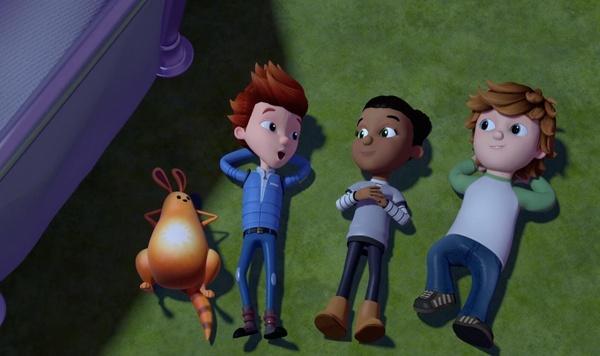
Few activities are more memorable or magical than simply lying back and staring up at the night sky. Develop your child’s astro-literacy by explaining and hunting for the following space phenomena:
- Constellations
- The Moon
- Planets
- Stars
- The Milky Way
- Satellites
- Meteors (sometimes called “shooting stars” or “falling stars”)
Meteor showers are particularly delightful times to stargaze. Click here for a calendar of upcoming meteor showers in the continental U.S.A., along with a simple description of why they occur and viewing tips.
Constellation Search
For thousands of years, humans have found pictures in the night sky. With young kids, start with searching for the Big Dipper and Orion’s belt — two of the easiest to locate. For more information, check out the constellation guide from Astronomy Magazine. Encourage kids to “connect the dots” and find their own shapes in the night sky!
Keep a Moon Journal
Every night, the moon looks a little different than it did the day before. Keep a moon journal for one month, observing its shape each night and drawing a picture. Compare your findings with National Geographic’s picture of the eight phases of the moon and use that guide to label the pictures in your moon journal.
Visit a Planetarium:
Planetariums are dome-shaped theaters designed to help audiences understand the night sky. A trip to the planetarium is both entertaining and educational — and you can find at least one in every state. Many planetariums also feature giant telescopes and host “star parties” for exploring space phenomena. Click here for a complete list all the planetariums in the United States.
And don’t forget to check out the games, videos and activities available at PBS Kids’ Ready Jet Go website!
 Author:
READY JET GO! is an earth science and astronomy series that takes viewers on a journey into outer space.