
Use Everyday Text to Boost Your Child’s Early Literacy Skills


As parents, we’re always looking for simple, meaningful ways to help our kids learn and grow. When it comes to early literacy skills, there is so much learning that naturally happens in everyday moments.
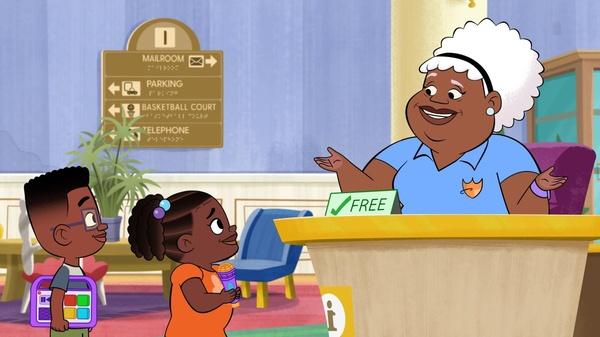
One easy way to help your child build foundational reading skills is by encouraging them to notice and engage with everyday text in the world around them. Everyday text includes the words, symbols, and logos that appear in signs, labels, and other printed materials that we see and use daily for specific purposes. Wet floor signs, street signs, snack wrappers, receipts, recipes, food labels, and the logos of products or stores are some examples of the kinds of texts you and your child will encounter in the world around you. When your child notices that a symbol or word “means something,” they’re starting to connect symbols to ideas, sounds, or words. That symbol-to-meaning connection is the foundation for understanding that words and letters represent something, setting them up for future reading.
And here’s the good news: every time your child points to a sign, recognizes a logo, or notices a label, they’re already practicing early literacy skills — right in the flow of everyday life. Here are some fun ways to practice:
ACTIVITIES WITH EVERYDAY TEXT
Word Walks
Take a walk around your neighborhood or a public space and encourage your child to look for words, signs, and logos that tell us something important — exit signs, bathroom icons, fire exit signs, caution signs, first aid stations, telephone icons, Wi-Fi symbols, wheelchair icons, quiet-zone signs, bus stop signs, and more. See what you can spot while in the city or at a park.Ride Arounds
While taking public transit or driving through town, you can make up games with your child. Try to spot the most stop signs or numbers on speed limit signs. To increase letter recognition, take turns finding a letter of the alphabet on different license plates. Bonus points if you take turns making the sounds those letters make with your child!Food Finds
You can find everyday text all over food, too. Whether ordering from a menu, looking for a gluten-free dish, avoiding spicy snacks, searching for a particular flavored juice box, identifying your lunchbox versus someone else's, or just looking for your favorite brand, meal times are another chance to practice early literacy.
Try out these activities and see what your child gets excited about. The more fun you make it, the more they’ll start noticing the words and symbols around them — and those everyday moments will add up to real early literacy growth.
 Author:
Explore the wondrous Tobsy Towers with the twins Phoebe and Jay, their dad Pete and Grandma Annie.